
Want to know where on earth Transnistria is? Or what to expect when you get there? Transnistria – Where Is It and What’s There? is our personal experience exploring this region in 2024. Our adventure includes Tiraspol and Bender. We share our insights on where to stay, where to eat and drink, and things to see and do. Our guide reflects our travel style and aims to provide useful things to know before visiting this obscure destination.
Some links may be affiliate, meaning we earn a small commission at no extra cost to you – this helps us keep sharing honest travel inspiration.
Transnistria, ‘a country that doesn’t exist‘. Officially still part of Moldova, Transnistria – known locally as Pridnestrovie – has been an unrecognised territory since 1990. With its own government, military, police, and currency, it’s a very unique and fascinating place. A visit here feels like a journey back in time. From the world-class Bender Fortress to the Soviet-era streets and culture of the capital, Tiraspol, Transnistria is an alluring and worthwhile destination.
Why go to Transnistria?
Transnistria is like nowhere else – intriguing, captivating, and unlike any destination you’ve likely experienced. A wonderland for the curious traveller, it offers ample opportunities to learn and see things from a different perspective. Geography and maps don’t always define countries, nor the beliefs and wishes of the people who call them home, and Transnistria is one such place. It’s a destination best approached with an open mind. You won’t find hordes of tourists here – it’s simply not that kind of place. Instead, you’ll expose yourself to something genuinely different – which is the reason we travel. Transnistria is truly authentic.
- Capital: Tiraspol
- Best time to visit: May – September
- Budget/Mid-Range/Couple: AU$100 per day
- Currency: Transnistrian Ruble (PRB10 = AU$1)
- Language: Russian
- Visa: No
- Difficulty: 2 (1-basic & 5-challenging)
Tiraspol
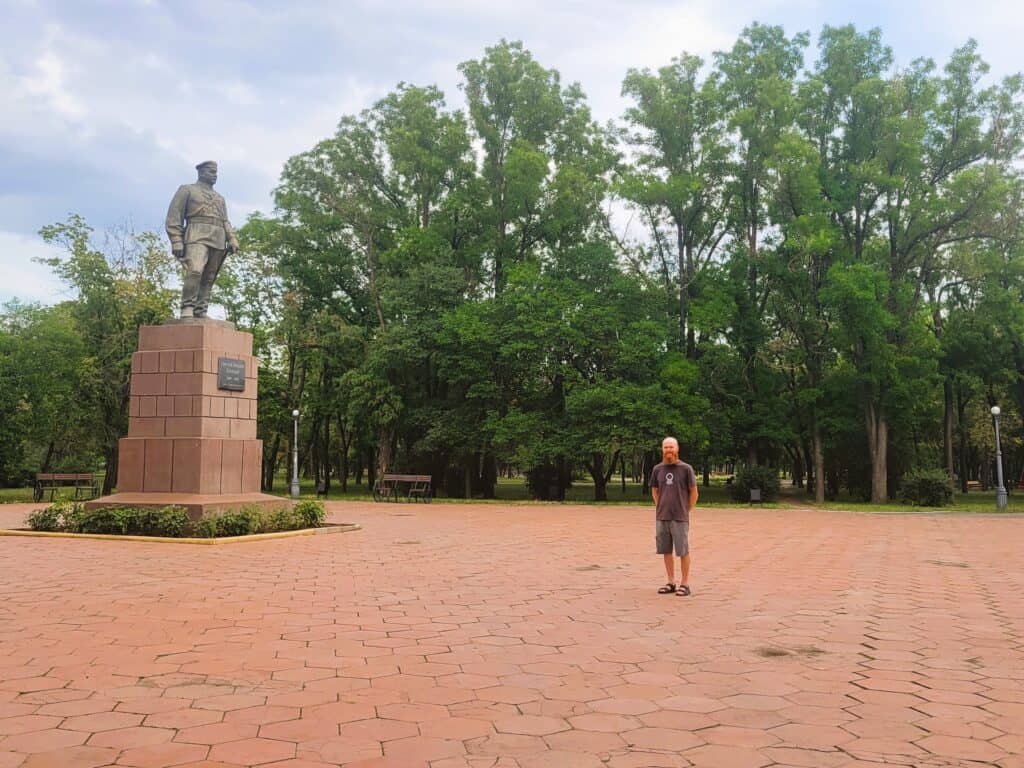
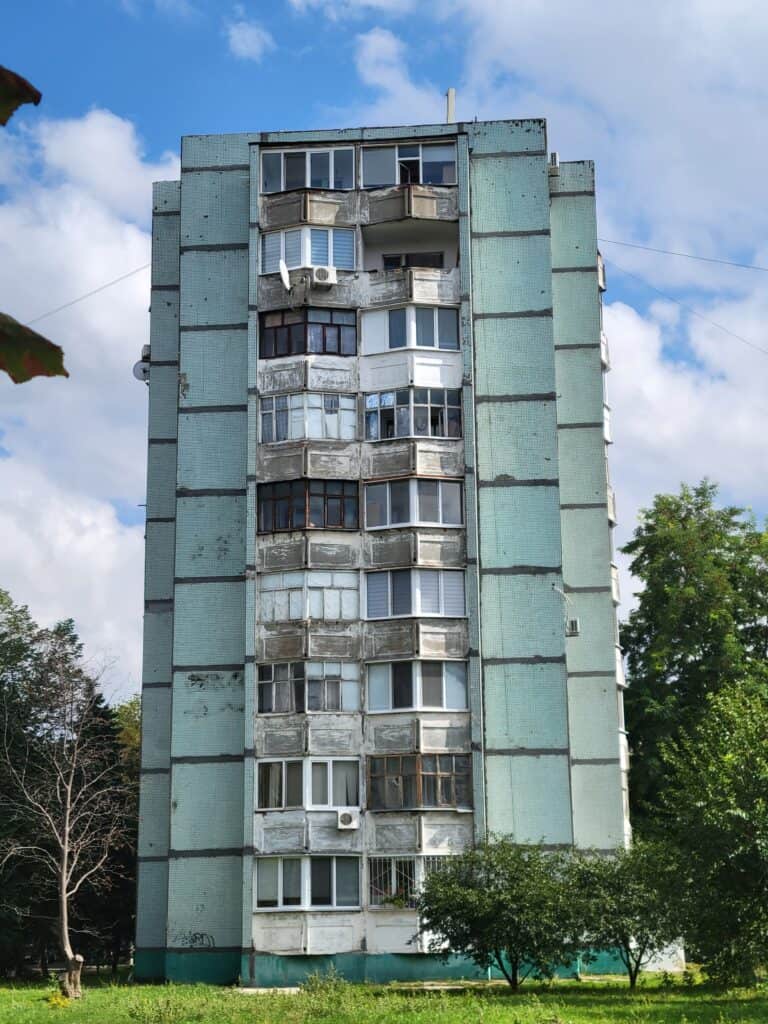
A visit to Tiraspol is a trip back in time. The city feels like a living museum of the USSR era: old Soviet-style apartment blocks, broad streets lined with grand buildings, and large parks dotted with monuments to heroes past and present adorn the city. Things change slowly here. With gas and electricity supplied by Russia, Tiraspol has more of a Russian character than that of neighbouring Moldova or Ukraine. Billboards advertising brands you’ve never heard of decorate any vacant spaces. The locals mostly keep to themselves, but interaction with them is fun and rewarding. Tiraspol is a feast for the senses – unusual and distinct. It’s not a place you will forget.
Getting to Tiraspol
With no international airport, entering via one of the land borders with Moldova or Ukraine is the only way to reach Transnistria and Tiraspol. Bender, on the western side of the Dniester river, is a short drive from the border, where you’ll complete the required customs formalities. Once you’ve cleared customs and entered Bender, Tiraspol is a short drive across the bridge.
Where to stay in Tiraspol
Don’t expect resorts and flash hotels, there aren’t any. Accommodation options are limited, with only a handful of hotels around the city. Airbnb’s are available, and we found a great local apartment. Staying there was a perfect way to support a local while experiencing life in an old Soviet-era block of flats.
Where to eat and drink in Tiraspol
Tiraspol has plenty of local eating options, though don’t expect to find English menus. You will find people who are eager to help, and everyone smiles. Meals are made with love. Google translate is really useful, especially if you have dietary requirements. Vegetarian dishes are popular, especially in the buffet-style eateries.
- Get to Cantina USSR (a time warp back to the 80s in this deli-style eatery, filled with antiques and Russian memorabilia. The staff are welcoming and helpful)
- Don’t miss Mega Dom (a shopping mall, with a tasty buffet. Clean, affordable and popular with locals. Some of the staff speak English)
- Check out Green Market (a massive undercover market packed with local produce, from fruit and vegetables to honey and cheese. This is where locals shop)
Things to see and do in Tiraspol
Catherine the Great Park has swan ponds, fountains, monuments and even a concert hall! Well worth a leisurely wander.
Suvorov Square hosts military parades, festivals, and various events. It’s also home to memorials and a giant Lenin statue.
Kvint Winery and Distillery produces world-class, award-winning brandy. Tours and tastings are available from Monday to Friday, though English-language tours are rare.
Walking through residential neighbourhoods and local parks is a great way to get a glimpse into the everyday life of a local. You’ll see people on bikes laden with groceries, children playing on ancient merry-go-rounds, and friends catching up on park benches – simple scenes that are part of daily life in Tiraspol.
Getting around Tiraspol
Tiraspol’s main points of interest are easy to find and explore on foot. Walking is the best way to experience the city and see the day-to-day life of its residents. The city is somewhat spread out, so some attractions are a little further apart – having a car can be helpful. Taxis and buses cruise the streets, but you’ll need to speak Russian to use them effectively.
Transnistria is like nowhere else – intriguing, captivating, and unlike any destination you’ve likely experienced.
Bender
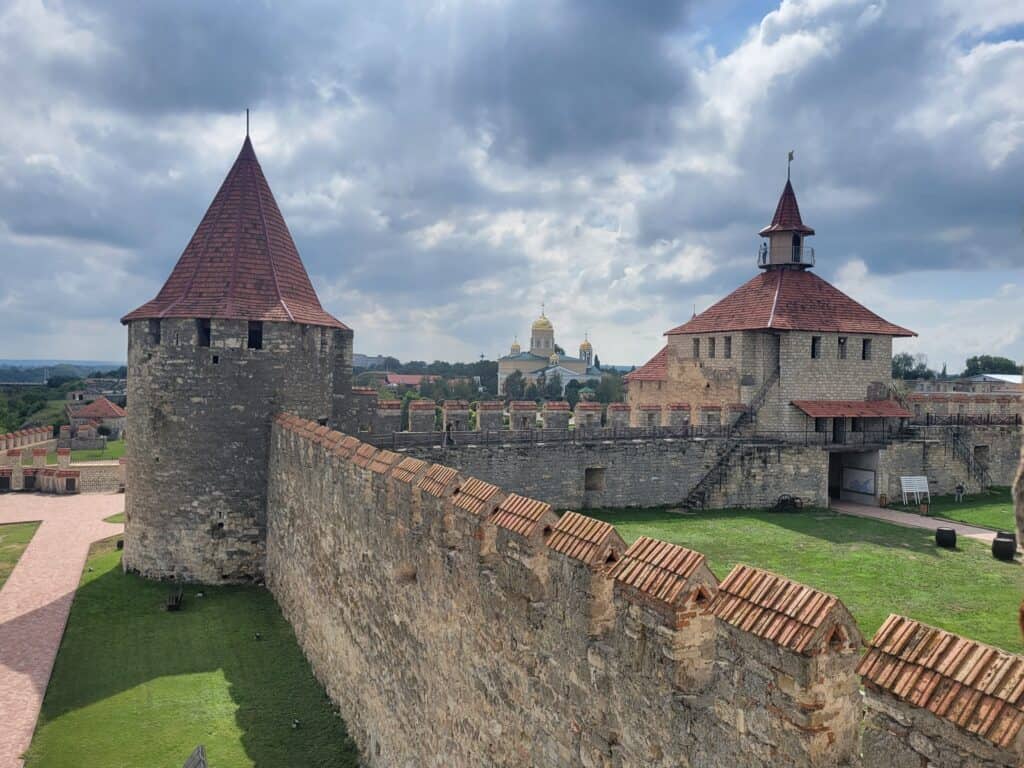
Transnistria’s second largest city, Bender, is home to the impressive 16th-century Bender Fortress. The fortress is the region’s most visited attraction and a popular day trip from Chisinau, with many visitors returning on the same day. However, Bender however has more to offer. This pleasant, small city on the banks of the Dniester River is rich in history, with monuments and museums to explore. With a selection of decent restaurants, accommodation options, and a helpful information centre, Bender is well worth spending some time in.
Getting to Bender
Bender has good bus connections with Chisinau, with the journey taking less than two hours. By road is the only way to access Bender. All roads along the Moldovan border have official, military-style checkpoints, where you’ll need to show your passport, complete some paperwork, and pay a small fee if entering by car.
It’s all very straightforward – we had no problems entering or exiting. You will need the necessary paperwork from your hire company, so be sure you tell them that you’ll be driving into Bender, Transnistria.
Where to stay in Bender
Bender has a handful of hotel options. There’s not a great deal of guesthouses or Airbnb’s available. Tiraspol, just a short drive across the bridge, is also a convenient option when looking for a place to call home.
Where to eat and drink in Bender
Bender, being a fairly small city, has a great selection of cafes and local eateries. Wander the streets and see where the locals are eating. The food is inexpensive and homemade. There are plenty of cafés around town, especially for visitors to the fortress.
- Get to USSR Canteen (tasty food with friendly service in a museum-like atmosphere. The locals are welcoming)
- Don’t miss Bender Central Market (a large colourful market full of lovely fresh produce and preserves)
- Check out Strada Lazo (where you can find traditional Russian-style cafes serving coffee and local pastries)
Things to see and do in Bender
Bender Fortress is understandably the main reason people visit the city. Inside, you’ll find some interesting museums, including the museum of torture instruments!
Immerse yourself in local life by visiting a local market or buying fruit from a roadside stall. Walking through a park is one of our favourite ways to get an insight into the daily lives of the locals.
Bender Railway Memorial has a couple of classic carriages adorned with old Russian insignia, offering excellent photo opportunities.
Memorials and Monuments cover the city, from Lenin statues to old tanks.
Getting around Bender
Visiting the fortress and other attractions is easily done on foot, allowing you to get a feel for the city and meet some locals. Having a car saves you time and gives you the freedom to check out neighbouring Tiraspol at your own pace.
Getting to Transnistria
Most travellers reach Transnistria through Moldova, and that’s exactly what we did.
Our Moldova travel guide has everything you need to plan that part of the journey
Useful things to know before visiting Transnistria
Transnistrian people are proud. They are not Ukrainian or Moldovan.
Everything is in Russian. Forget about any English.
Visa and Mastercard do not work – bring cash. You’ll find money changers randomly around the streets; just look for boards with exchange rates.
Mobile coverage is limited.
You need your passport to enter, like any foreign country. There won’t be a stamp.
If you’re driving, you’ll need a letter from your car hire company to bring your car across the border.
Final thoughts on travelling in Transnistria
Transnistria is unlike anywhere we’ve ever been. It carries an element of the unknown, which is part of its appeal. It’s a place with a lot of misconceptions, so come with an open mind. Find someone who speaks English and ask them about Transnistria, its current situation, and anything else you want to know. After spending a few days here, and having your questions answered, you will leave with a more accurate understanding than the preconceived ideas you may have arrived with.
You may not fully grasp all the history, occupations, annexation attempts, or the complex politics – but what you will understand is that ordinary people live here. They work, go to school, and have dreams. Come to Transnistria to meet these people, to see their country, and to appreciate it. Come to Transnistria to broaden your mind.