
Ever wondered what a trip to Azerbaijan feels like? Or where you can find dramatic landscapes and ancient villages? Azerbaijan – Discovering the Country is our personal experience exploring this country in 2024. Our adventure includes Baku, Lankaran, Sheki, Lahic and Quba. We share our insights on where to stay, where to eat and drink, and things to see and do. Our guide reflects our travel style and aims to provide useful things to know before visiting this obscure destination.
Some links may be affiliate, meaning we earn a small commission at no extra cost to you – this helps us keep sharing honest travel inspiration.
Azerbaijan, ‘land of eternal fire’. With oil and gas accounting for around 90% of the economy, it’s understandable why the country refers to itself this way. ‘Land of striking contrasts’ would also be appropriate. The capital, Baku, is a world of fast cars and designer clothes, with huge modern buildings and flash malls slowly swallowing up the old Soviet-era apartment blocks. Surrounded by stone walls, the medieval Old City has survived and remains Baku’s number one attraction. Yet only a few hours’ drive away, you will find endless fields of crops and fruit trees, donkeys pulling carts, green forests, and mountains dotted with ancient villages. This is the real Azerbaijan. No glitz or glamour. Traditional life goes on unchanged as it has for thousands of years. Women sell their home-grown produce on the side of the road, while men work the fields.
Why go to Azerbaijan?
Azerbaijan is different. It’s been influenced by its neighbours, and yet has its own strong identity. It is an intriguing country where the ancient and modern worlds meet. There are countless attractions, both man-made and natural, and a fascinating landscape found nowhere else. Remote settlements and historic Silk Road stops are easy to reach. With a new visa system in place, entry is easier than ever. The local people are among the most welcoming you’ll ever meet, and travelling here is an experience you will never forget.
- Capital: Baku
- Best time to visit: March-October (November to April is winter)
- Budget/Mid-Range/Couple: AU$150 per day
- Currency: Manat (AZN 1 = AU$0.87)
- Language: Azerbaijani
- Visa: Yes
- Difficulty: 1 (1-basic & 5-challenging)
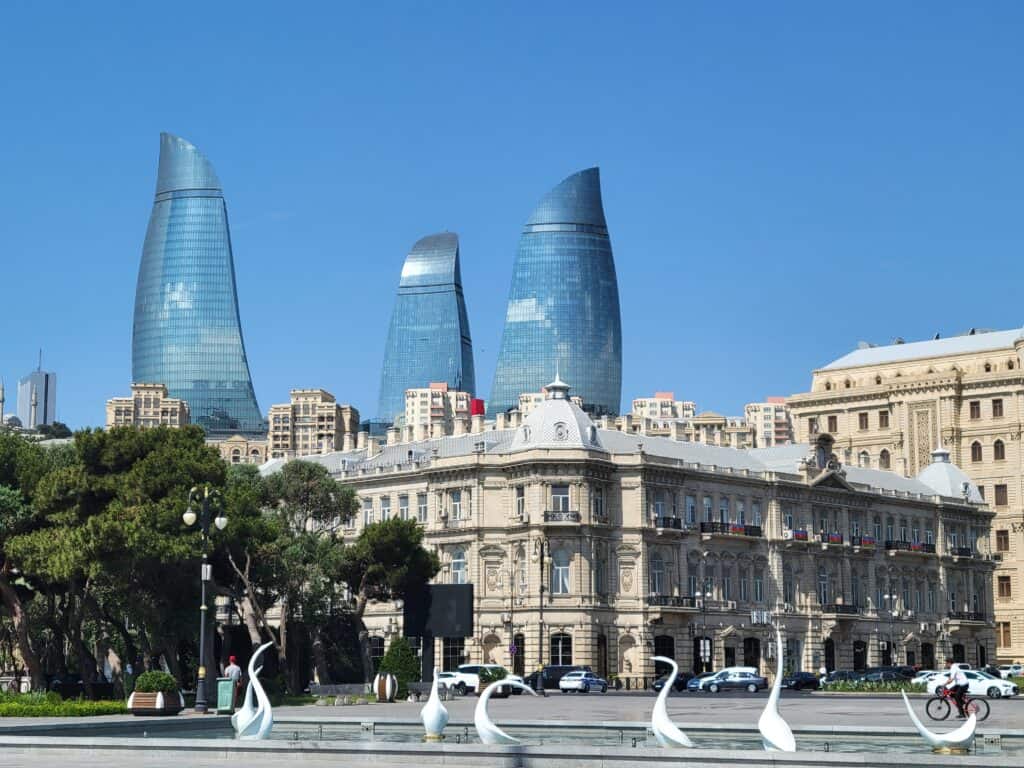
Baku
Baku is an evolving city. Change has – and continues to – happen here. With modern, Western-style buildings dominating the skyline, it’s easy to forget where you are. The UNESCO-listed Old Walled City remains well preserved, standing in contrast to some of its surroundings. Restaurants and cafes are plentiful, as are points of interest. A handful of easy day trips can also be made from the city. With plenty of green open spaces, pedestrian walkways, and a pleasant promenade along the Caspian Sea, Baku is a popular city to spend a few days or more.
Getting to Baku
Getting to Baku is straightforward. With flights from Asia, Europe, and the Middle East, there are plenty of options. Access to the city from the airport is cheap and easy, with a regular airport express bus heading into 28 May Metro station in the city centre. The journey takes around 30-40 minutes.
Where to stay in Baku
Baku has an abundance of places to stay, including hotels, guesthouses, and Airbnb’s. Prices vary depending on the type of experience you’re after, but all budgets are well covered. Staying around the Old City is convenient but busy and often more expensive.
The area around 28 May Metro station is about a forty-minute walk from the Old City and offers plenty of accommodation options and local amenities. This is where we stayed, in an old Soviet-style apartment in an authentic neighborhood among locals, yet just a short walk to Port Baku Mall to experience the city’s modern side.
Where to eat and drink in Baku
Baku is loaded with eating options, both local and international. There are plenty of bars, cafes, and food halls, as well as supermarkets and fresh fruit and vegetable stalls. It’s easy to self-cater, and the local produce is beautiful quality, especially the stone fruits in summer.
- Get to Manipura Ethic Local Food (our favourite vegan restaurant, with friendly staff who speak English)
- Don’t miss De Rama Cafe (lovely selection of freshly made Indian vegan dishes, conveniently close to 28 Metro May)
- Check out Coffee9bar (near Port Baku Mall, a great spot to stop for an organic coffee and watch the city go by)
Things to see and do in Baku
Old City An unmissable attraction, this large stone-walled area is full of alleys to wander. Main sites inside the Old City include Maidens Tower and Shirvanshahs’ Palace.
Flame Towers Sitting on a hill with fantastic views over the city. You can catch the funicular up, or take the fifteen-minute walk to the top.
Port Baku and Caspian Waterfront Malls offer a glimpse into the Baku’s lavish modern lifestyle.
Qobustan Petroglyph Reserve is a popular half-day trip from Baku. Many tour companies in the city run trips here; it’s about an hour’s drive. Public transport is possible but requires planning. Gets super busy, so go early.
Mud Volcanoes are located near the Petroglyph Reserve, and they can be easily combined in the same trip. These are small mounds that constantly bubble out mud – an unusual natural phenomenon.
Atesgah Fire Temple is an easy trip from the city, and public transport goes right to the site. The journey takes around an hour and a half. A series of natural gas flames burn continuously from the ground, creating a striking sight that cannot be extinguished.
Getting around Baku
Baku is a great city to explore on foot, with plenty of interesting buildings and sights. The city also has a busy underground metro system and plenty of taxis for getting around.
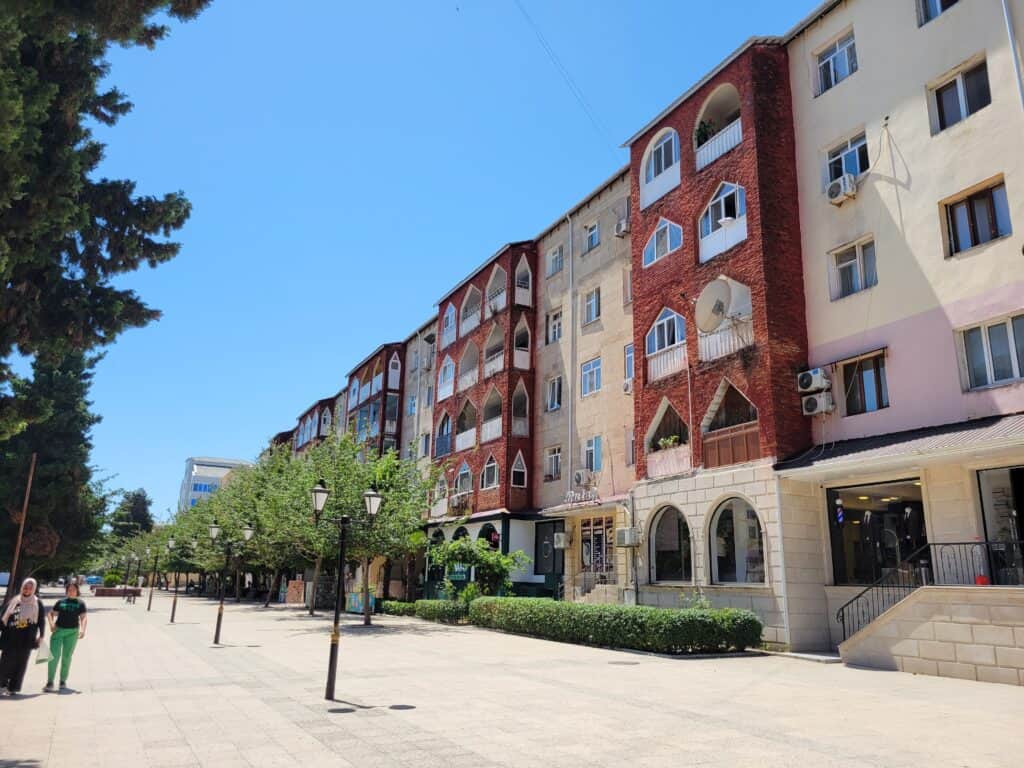
Lankaran
Lankaran is an off the beaten path city to the southwest of Baku. It’s the fruit bowl of the country, with some of the best stone fruit you will ever taste! Apricots, cherries, and peaches are everywhere, as is local honey. Situated on the shores of the Caspian Sea, it’s a popular holiday spot for locals. The city itself lacks any must-see attractions, but it has a warm and hospitable atmosphere. Nearby, there are national parks, lakes, rivers, and mountains to explore.
Getting to Lankaran
An easy three-hour drive from Baku, and also connected by bus, getting to Lankaran isn’t difficult. Azerbaijan’s main roads are generally in a good condition, and car hire is very affordable.
Where to stay in Lankaran
Being a holiday spot for Baku residents, the city has a decent selection of hotels. Airbnb’s are starting to emerge but remain somewhat limited. The city itself is spread out, and some hotels are a few kilometres out of town, so be sure to check the location before booking if you want to stay in a central area.
We enjoyed staying in a local apartment within walking distance to the Caspian Sea and the central square. The locals were curious, caring, and very welcoming.
Where to eat and drink in Lankaran
Lankaran has a decent selection of local eating options around the city centre. The City Bazaar is open daily and is wonderfully authentic, selling beautiful fresh produce for self-catering. Outside the city, restaurants and tea stops can be found along the road, and you can often see women baking fresh bread over open fires – the bread is so good, it’s worth stopping!
- Get to Borani Restaurant (popular choice with the locals, nice atmosphere and staff, limited English)
- Don’t miss Lighthouse Coffee (get your Americano fix here)
- Check out the roadside stalls (ladies selling their homegrown organic fruit and produce are found on most roads leaving the city; don’t miss the apricots and cherries)
Things to see and do in Lankaran
Lerik Famous for the number of residents who live to over one hundred years, Lerik makes a lovely day trip. It’s a scenic one-hour drive up into the mountains, with plenty of opportunities to stop for fresh bread or a cup of tea. The local Centurion Museum and History Museum are worth a visit.
Hirkan National Park A beautiful area for walking. The park is home to bears and wolves, so don’t get lost. It’s about a twenty-minute drive from Lankaran.
Xanbulan A forested area around the local water reservoir, with some pleasant walks. There are plenty of small local eateries amongst the trees. Gets busy on the weekends, so bringing a picnic is a good idea.
Wandering the streets, admiring the old buildings, parks, and statues, and chatting with locals, was one of our most memorable activities.
City Bazaar A thriving hive of activity where anything and everything is on offer. The best place in the city centre for fresh produce. Super busy.
Getting around Lankaran
The city itself is best explored on foot, as the streets are narrow and parking is limited. For trips outside of town, having a car is necessary.
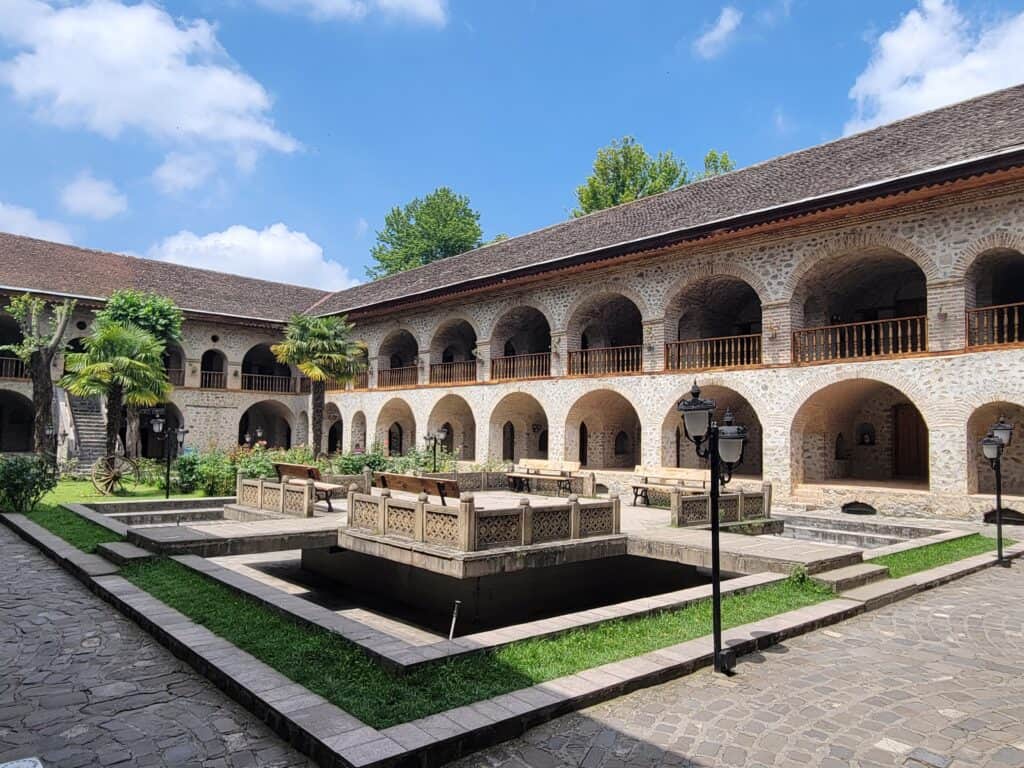
Sheki
Considered Azerbaijan’s most beautiful town, a visit here is a must. With a mountain backdrop, cool climate, and views out over the valley below, Sheki was an easy choice for early rulers looking for a location for a summer palace. The old town, with its UNESCO palaces and gardens, is the major attraction. Also famous for its sweet shops, the city draws both local and international visitors.
Getting to Sheki
Only a four-and-a-half-hour drive from the capital, Baku, and with public transport also available, getting here poses no major problems. Most tour agencies offer it as a day trip, but spending a few days here is well worth it.
Where to stay in Sheki
Sheki gets plenty of visitors, so hotels and guesthouses are plentiful. Airbnbs are also growing in number, offering the chance to interact with locals. Accommodation options are spread across the city, but the closer you are to the old town, the more you will pay. Staying around the main area of the newer part of town is a good choice, as you’ll find the best selection of restaurants, supermarkets, and shops there.
Where to eat and drink in Sheki
Many of the bigger restaurants in Sheki have menus in English. Local Azerbaijani dishes are the focus, but you won’t have to look too hard if you’re after Western-style meals. Plenty of supermarkets and street bazaars selling fresh produce make self-catering easy. There are also some nice options for coffee and homemade pastries.
- Get to Serin Restaurant (our favourite spot to eat. Local dishes, with an English menu, outdoor dining under the trees, and a great owner and staff)
- Don’t miss Zarif Sirniyyat (Busy pastry shop with a wonderful selection, and the place to come if you want to try something sweet)
- Check out Naxis Cafe (decent Americano coffee and sweet cakes)
Things to see and do in Sheki
Palace of Shaki Khans The artwork inside is amazing. Gets super busy, so try to visit early.
Shakikhanovs Palace A smaller palace with impressive windows. Less crowded than the main palace.
Upper Caravanserai An old inn where Silk Road traders used to stay. Great for photos. Free entry.
Albanian Church Contains an art museum, but it’s seldom open. Offers a cool view.
Shaki Castle Historical building with lovely gardens.
Wander up the street from the lower part of town to the palace and admire the old buildings. The street is lined with local shops and stalls – find the ladies baking fresh local bread.
Getting around Sheki
Old Lada’s, now used as taxis, are never more than a block away for those who need a ride. The old town is best discovered on foot. The walk up from the main area of the city takes around thirty minutes, with a few stops to chat with the locals.
Unusual and intriguing landscapes, enchanting rural villages, and exotic traditions await the curious traveller.
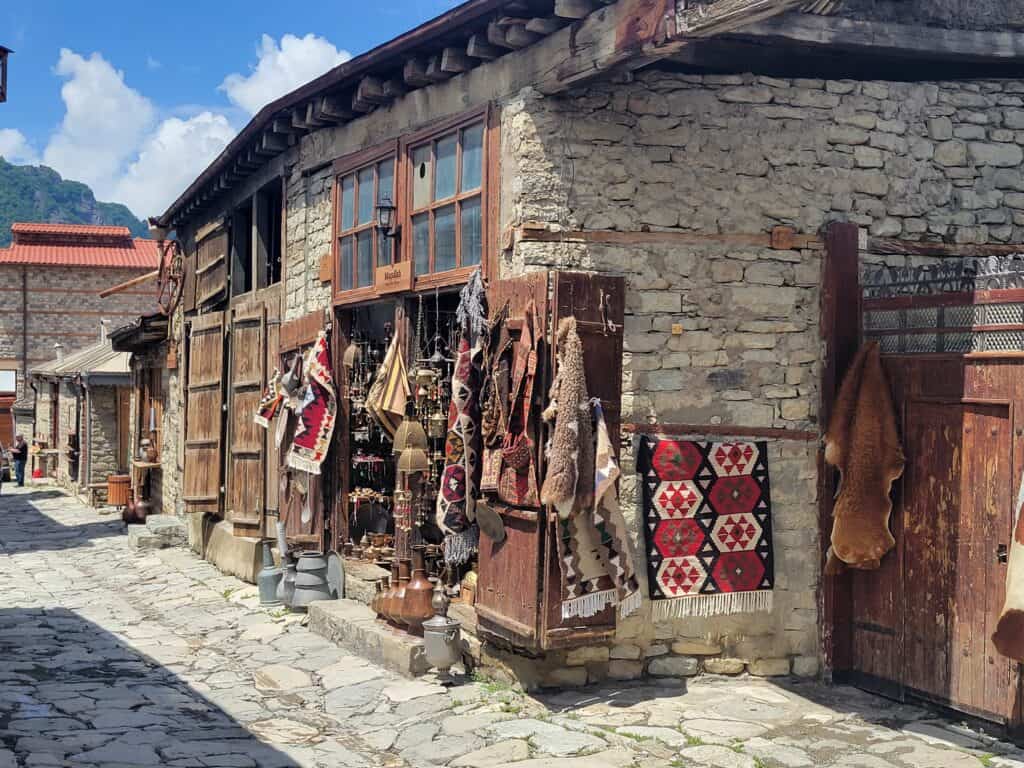
Lahic
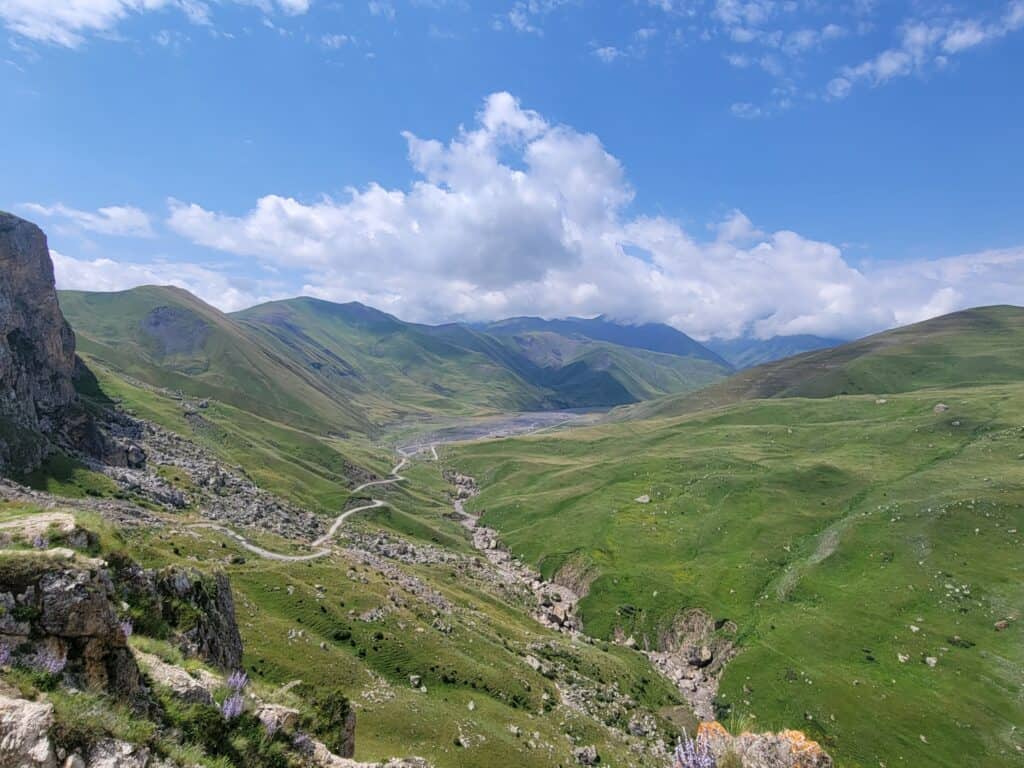
A mountain village filled with coppersmiths and tea shops, Lahic sits high up in the hills and offers some of Azerbaijan’s best scenery and views. Most of the village is made from stone gathered from the river below. The location itself is spectacular, and this alone makes the drive worth the effort. Surrounded by hills filled with flowers, the village has a fairytale-like feel.
Getting to Lahic
Getting here is one of the main attractions. The road up through the narrow gorge is crazy, but it’s often closed in wet weather. The village is about three hours by car from Baku and also accessible from Sheki, making it a popular day trip. The road from Sheki is the most scenic, though it can become impassible after rain, so plan ahead. The newer road from Baku, around the eastern side of the range, is usually open, but sections are often damaged and waiting to be repaired. Tours from Baku are a popular option, and public transport is possible, though typically only one departure runs per day.
Where to stay in Lahic
Being a small village, there’s limited options as far as places to stay are concerned. Most people visit for the day. There are a few local guesthouses and homestays. We found a great one called Abbasov’s Guesthouse, run by a local family. It’s a new and modern two-bedroom apartment set in their lovely back garden. Book ahead.
Where to eat and drink in Lahic
With a summer population of around six hundred residents, eating out options are limited. There are a couple of places around town that cater for the tour groups, but these tend to be a little pricey. There’s very little in the way of groceries, so bring supplies if you’re staying for a few days.
- Get to National Dishes of Lahic (a small family-run place down a side street. The vegetable soup and herb bread are delicious)
- Don’t miss the fruit and vegetable car (each afternoon, a car drives around the streets honking its horn, and locals come out to buy the produce on offer. It offers the best selection in the village)
- Check out the herbal tea shops (the town is famous for its fresh mountain flower teas. A huge variety of dried flowers are sold everywhere. The local homemade cheeses are also very tasty)
Things to see and do in Lahic
Wander through the village to see the craftsmen at work, admire the stone buildings, and browse locally made products. English-speaking locals enjoy a friendly chat.
Admiring the endless views of the hills, mountains, and valleys surrounding the village.
The drive to and from Lahic, along with village’s spectacular location, is one of the main reasons to visit.
Getting around Lahic
Most of the village is closed to traffic, so walking is the one and only way to get around.
Quba
A big, bustling city, Quba itself lacks any unmissable sites. It’s busy and a little messy in places, but the old part of the city has some buildings worth checking out, along with a pleasant park with a couple of museums. Across the river is the old Jewish quarter, featuring a large synagogue and several interesting structures. Most visitors just pass through here on their way to Xinaliq, but Quba has everything you need for a longer stay.
Getting to Quba
With a new freeway, you can reach Quba from Baku in just over two hours. Public transport is available, but it takes the old highway through the small towns, so allow half a day for the journey.
Where to stay in Quba
Accommodation options for most budgets are available. Airbnbs are popping up in the city and nearby towns. We stayed in a great one near the Quba Bazaar, within walking distance of the main sites, restaurants, and the Mega Market.
Where to eat and drink in Quba
Loads of local eateries around. The main road into the city is lined with fresh fruit stalls. The road out of town to Xinaliq has outdoor restaurants every hundred meters. Be cautious – a lot of these places are very expensive, and sometimes deceitful. Menus may have no prices, and staff will quote you a price verbally. When the bill arrives, what you were told would be twenty is now seventy, and a menu with prices appears. Always ask to see the menu with prices before ordering.
- Get to Eqzotika Restaurant (located in the park, it’s popular with locals playing backgammon)
- Don’t miss Quba Bazaar (a sprawling mess of local produce. Look for a man selling cheese out of the boot of his car, across the street from the entrance)
- Check out Mega Market (one of the biggest markets we found in Azerbaijan, has everything)
Things to see and do in Quba
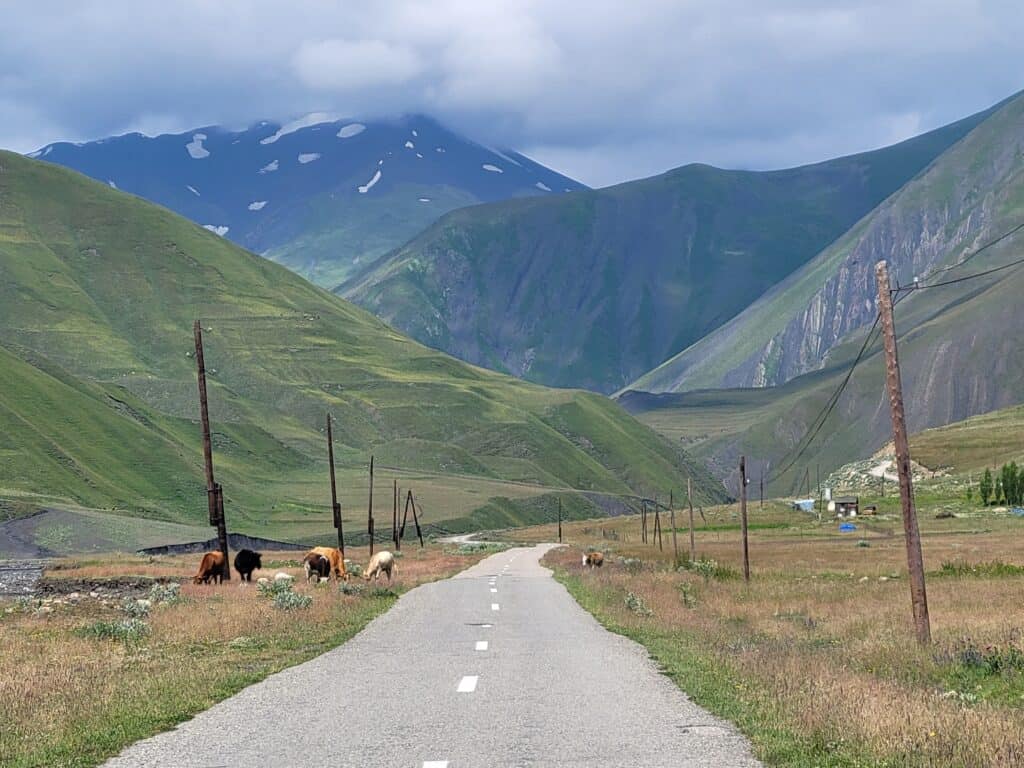
Xinaliq This is the main reason to visit this corner of the country. The drive up to the small mountain village of Xinaliq is a highlight for most trips to Azerbaijan. The drive takes around one and a half hours, but allow extra time, as you’ll want to keep stopping to take photos – the scenery is spectacular. Along the way, there are nice opportunities to stop for tea, honey, and freshly baked bread too!
Xacmaz A nearby town about a thirty-minutes drive from Quba, Xacmaz has a park scattered with large and interesting objects.
Carpets are made locally in the region. There are a couple of carpet stores worth visiting, and you may be invited to look at the factory area where they are hand-made.
Wandering Like any new place, walking around is a fun way to experience local life. Quba is no different. The park and river areas are enjoyable, and walking over the bridge to the Jewish quarter, or ‘Red City’, is a pleasant way to explore.
Getting around Quba
Packed streets make driving around the central area challenging, but not impossible. Walking is your best bet, or you can take a taxi if you’re in a hurry. For excursions to Xinaliq or other surrounding towns, you will need a car.
Getting to Azerbaijan
Well connected with the rest of the world, flying here doesn’t require much planning. We flew in from Istanbul, a short three-hour flight.
Entry by bus or train is regular and easy from neighbouring Tbilisi, Georgia, though it’s not possible to enter from Armenia. There are also border crossings in the north near Quba with Russia, and in the west near Lankaran with Iran.
Useful things to know before visiting Azerbaijan
Azerbaijan is a cosmopolitan country, particularly Baku.
It’s very Western in terms of dress.
There are more bars than mosques.
People are open and friendly. Not many will speak English, but the younger generation are learning it in school and will practice with you.
It’s very clean, tidy, and safe.
Your phone from home will work, and coverage is great all over the country. eSIM works well.
Car hire is very affordable, from AU$35 per day. We used Automile Rent a Car Baku. Petrol is AU$1 per litre.
There are speed cameras everywhere – the most I have ever seen.
The local drivers are erratic. Be prepared.
Public transport is very cheap. The thirty-minute bus ride from the airport to the city is around AU$1.
The fresh seasonal fruit is amazing, plentiful, and cheap.
Health food products are emerging but are very expensive. Locally made organic products are great value and include wine, olive oil, and rice.
Public toilets are non-existent. Baku’s malls have toilets, but you will struggle outside of the city.
Final thoughts on travelling in Azerbaijan
Azerbaijan exceeded our expectations. It’s a destination with plenty to offer. It’s different and interesting. The Azerbaijani people are warm and welcoming. They will smile and wave, and invite you for a cup of tea. Baku offers some compelling sights, but the real fascination lies outside the city. Unusual and intriguing landscapes, enchanting rural villages, and exotic traditions await the curious traveller. With the new e-visa making entry easier than ever, it’s only a matter of time before this hidden gem is discovered.