
Looking for an authentic journey through some of the most culturally rich corners of Sri Lanka? Ever wondered what it’s like away from the busy tourist areas? Sri Lanka – Off the Beaten Path is our personal experience exploring this country in 2025. Our adventure includes Pottuvil, Batticaloa, Trincomalee and Jaffna. We share our insights on where to stay, where to eat and drink, and things to see and do. Our guide reflects our travel style and aims to provide useful things to know before visiting this obscure destination.
Some links may be affiliate, meaning we earn a small commission at no extra cost to you – this helps us keep sharing honest travel inspiration.
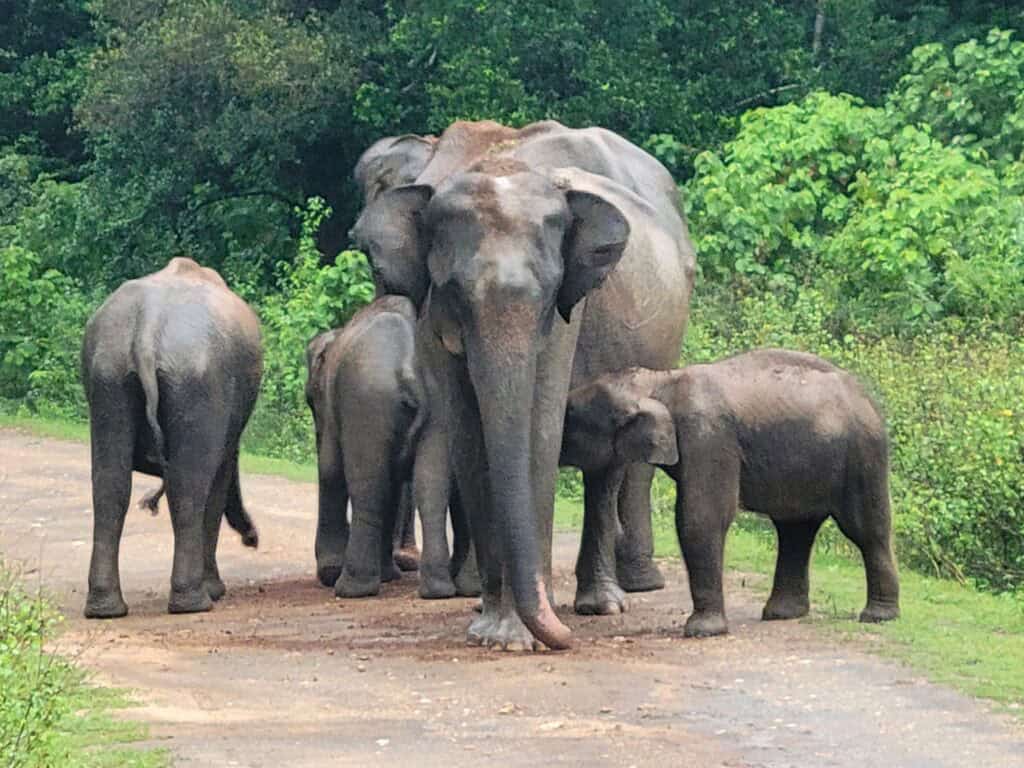
Sri Lanka, the ‘pearl of the Indian Ocean’, is an accurate description of this tropical nation. The ‘island of cinnamon’ would also be appropriate. The spice is native to the island, and has been grown here for centuries, with Sri Lanka now the world’s largest producer. Traded internationally for thousands of years, it is part of the island’s rich history. But Sri Lanka is so much more than spices. It is an island covered in trees and forests, home to elephants, leopards, buffalos, and hundreds of birds. It is a country with a diverse range of cultures, traditions, and beliefs, and a warm and welcoming people.
Why go to Sri Lanka?
Sri Lanka is a vibrant island paradise that offers an incredible mix of experiences and adventures, from deserted beaches and rainforests to ancient temples and scenic landscapes. With twenty-eight National Parks and eight UNESCO World Heritage sites, there’s plenty to discover. As the country sees a growing number of visitors, some popular places are becoming a little crowded. But Sri Lanka still has many corners untouched by tourism. Dig a little deeper. Take a different path. Authentic cities, towns, and people await. Hidden temples, unknown National Parks, elusive animals, and memorable experiences reward those willing to take the time to reach them. Sri Lanka still has obscure destinations.
- Capital: Colombo
- Best time to visit: October – May
- Budget/Mid-Range/Couple: AU$100 per day
- Currency: Sri Lankan Rupee (LKR190 = AU$1)
- Language: Sinhala
- Visa: Yes
- Difficulty: 1 (1-basic & 5-challenging)
Pottuvil
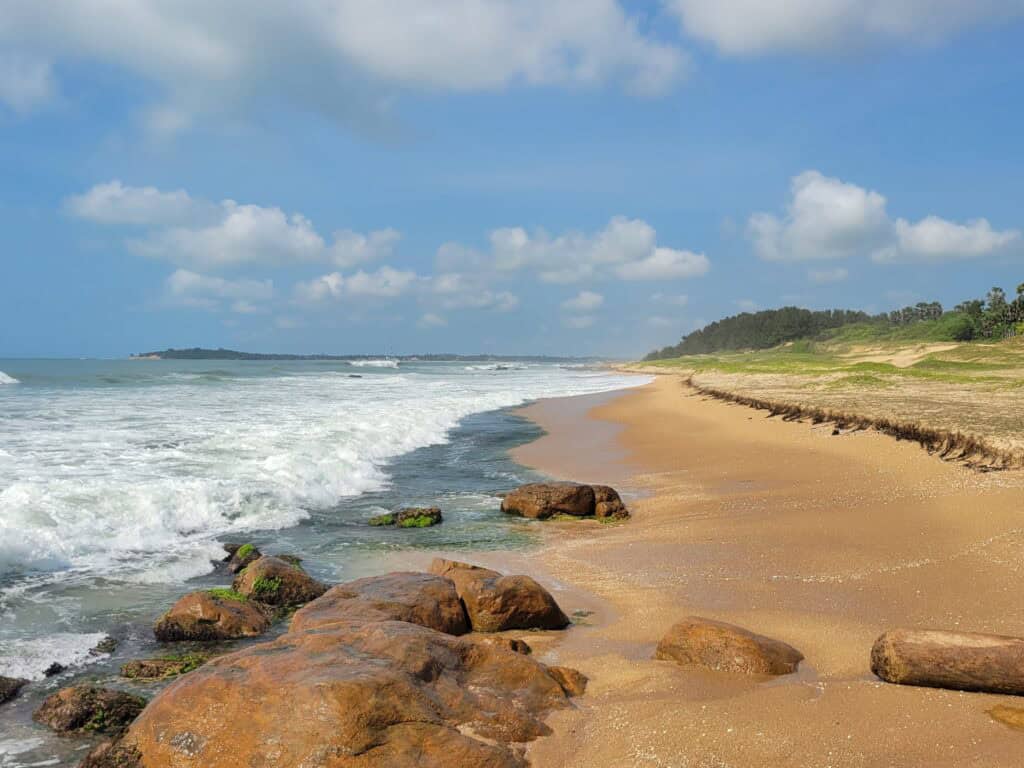
A coastal town on the island’s eastern coast, Pottuvil is a tranquil spot where locals of different beliefs and traditions live side by side. Combining both natural beauty and cultural richness, it is an ideal place to experience everyday local life. Warm, unpretentious locals welcome you with a smile and wave, and engaging with them creates lasting memories. Situated on a large lagoon, the labyrinth of mangroves and waterways is a haven for birds and wildlife. Home to an eight-kilometre stretch of golden sand beach, a surf break, and numerous nearby attractions – including Kumana National Park – Pottuvil offers an authentic and unique alternative to nearby Arugam Bay.
Getting to Pottuvil
Arugam Bay, Sri Lanka’s number one surfing spot, is only a kilometre or two away, and all buses heading there make a stop in Pottuvil. Regular buses head to this corner of the island, most requiring a change in one of the larger transport hubs, such as Monaragala.
Where to stay in Pottuvil
Accommodation options in Pottuvil are a little limited, with nearby Arugam Bay dominating the guesthouse scene. A few Airbnb’s and hotels are beginning to emerge, but don’t expect five-star luxury. We found a traditional local style home at the Southern end of Pottuvil town, which was a great area to immerse ourselves in everyday life.
Where to eat and drink in Pottuvil
The town is loaded with local-style cafes and restaurants, which cater for all dietary requirements. Fruit and vegetable stalls line the streets, and there’s a busy local market, as well as a supermarket. Arugam Bay is home to an impressive mix of local cafés, beachside restaurants, and international cuisine, so you certainly won’t go hungry.
- Get to Family Delight (our number one choice for veggie curry. Great food, friendly staff and excellent value)
- Don’t miss Kaffi Arugam Bay (busy café with good coffee. Try the mango smoothie bowl and vegan chocolate cake)
- Check out Pottuvil local vegetable market (excellent place to pick up locally grown, seasonal fresh fruit and vegetables, while chatting with the locals)
Things to see and do in Pottuvil
Kumana National Park Once part of Yala National Park to the south, Kumana is relatively new. Situated on the coast, the park is full of of mangroves and lagoons teeming with birdlife. All sorts of wildlife live here, including leopards. Safaris are on offer all over Arugam Bay, and most guesthouses also offer trips to the park.
Arugam Bay is a pleasant walk, or quick tuk-tuk ride down the road. Surfing is the theme here, with everything from board hire to lessons. Cafes, bars, yoga studios, and restaurants compete for business along the busy main street.
Elephant and Crocodile View Point are on the lagoon side of town, it’s an enjoyable walk through the local backstreets. Dawn and dusk are the ideal times to spot an elephant off in the distance enjoying some grass, while crocodiles are around most of the time.
Whiskey and Pottuvil Points are popular surfing spots, with cafes and bars open during the surfing season.
Immerse yourself in everyday life by heading up to the busy local market. Visiting here each morning to grab our fruit and vegetables was a highlight of our day. The beating heart of a community is its market, and Pottuvil is no different.
Getting around Pottuvil
Walking around allows you to stop and chat with the many locals, who are always keen to ask where you are from. Tuk-tuks are everywhere and can take you anywhere you want to go. Arugam Bay is just a five-minute ride to the south. A local bus also heads south to Panama, stopping at Arugam Bay along the way.

Batticaloa
On Sri Lanka’s east coast, Batticaloa is a scenic city surrounded by lagoons and mangroves. The old town sits on a small island and is home to a 16th century fort, still used today by various government departments. The compact city centre reflects the local population, a diverse mix of Tamils, Muslims, and Sinhalese. The neighbourhood of Kattankudy was one of the first Arab trading settlements, their influence still plain to see today in the palm-lined streets. Dotted with old lighthouses, temples, and quiet beaches, the entire Batticaloa area is a pleasure to explore. Whichever direction you head, you’ll be met by communities of genuine, warm-hearted locals.
Getting to Batticaloa
Regular daily buses make the four-hour trip to Batticaloa from Pottuvil to the south, and from Trincomalee to the north. Three busses per day also depart Colombo, with the journey taking around nine hours.
Where to stay in Batticaloa
Guesthouses are the main form of accommodation in this part of the country, with plenty to choose from around both the new and old towns. We found a great one on the lagoon. There are also some resorts along the river, while Airbnbs are beginning to emerge. Anywhere with a water view would be a good choice.
Where to eat and drink in Batticaloa
Local Sri Lankan and Indian restaurants dominate the dining scene here, with rice and curry on most menus. Fish and seafood are popular and easy to find. Cafés and snack shops are never more than a short walk away.
- Get to Sri Kishna Cafe (tasty vegetarian lunch buffet, run by a lovely local family)
- Don’t miss Dining Delight Family Restaurant (great value rice and curry, cooked in traditional clay pots)
- Check out Kandy Tea Store (sells quality local tea, coffee, and spices. The Saudi Arabian dates are delicious!)
Things to see and do in Batticaloa
The Old Fort Built by the Portuguese, the fort offers some great views. Most of it can be explored. Entry is free, and there’s even a toilet.
Batticaloa Lighthouse on the north side of town, makes for a pleasant wander through local districts. Head out early to see the fisherman sorting their catch.
Lagoon Boat Trips depart form the small jetty near the lighthouse. Tours are flexible, and you can go for as long as you like. Plenty of birdlife to spot along the way.
Riveria Resort is the best place in the city to enjoy a gin and tonic. Pull up a bench under a tree on the riverbank and watch the afternoon float by.
Heritage Museum has a surprisingly impressive collection of ancient antiques, most from the Arab trading days. The various floors cover the colonial eras, early island life, and the arrival of Islam.
The Old Town is fun to wander, with Kandy Tea Store the ideal place to grab some tea, spices, coffee, or even dates.
Ram Cool Bar near the White Bridge, is the place to grab a refreshing coconut or fruit juice alongside locals.
Immerse yourself in everyday life by catching one of the local busses. They are always packed, fast, and plenty of fun.
Getting around Batticaloa
Covering a fairly large area, buses, and tuk-tuks are the easiest way to get around. Walking around the old and new towns is simple enough, but reaching the lighthouse, beaches, and museum requires wheels. The Central Bus Station has helpful English-speaking attendants who will get you on the right bus, and tuk-tuks are everywhere.
Hidden temples, unknown National Parks, elusive animals, and memorable experiences reward those willing to take the time to reach them.
Trincomalee
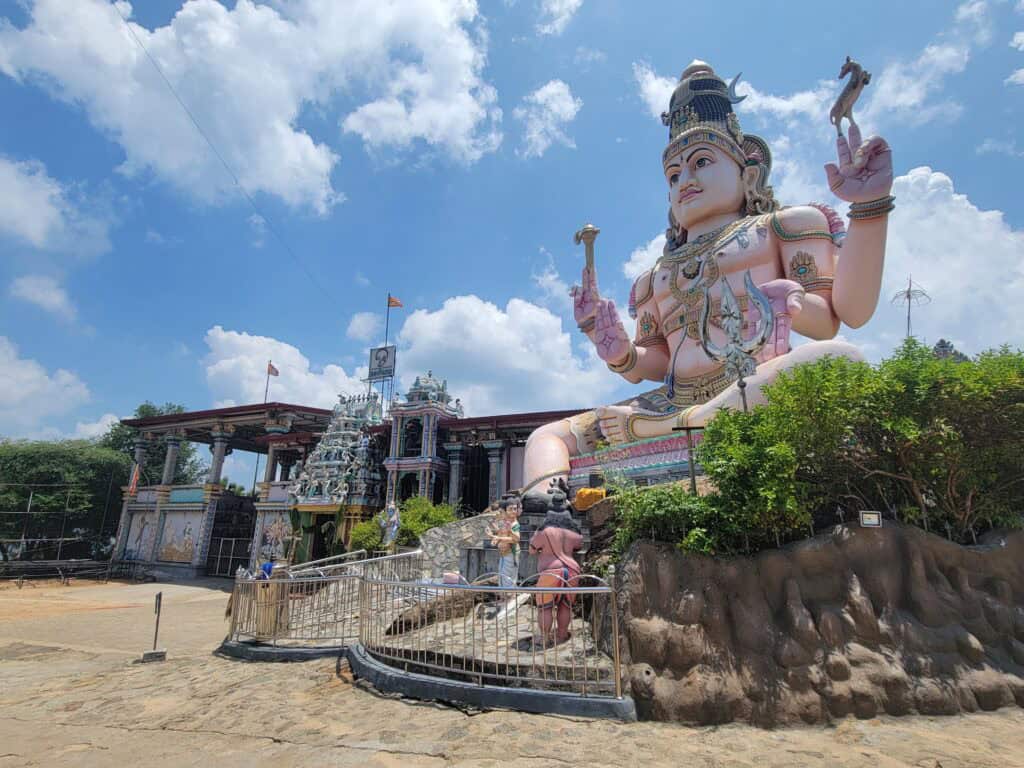
Home to one of the world’s best natural harbours, the port city of Trincomalee has been welcoming visitors to its shores for centuries. Today, most people head to the northern beaches of Uppuveli and Nilaveli to soak in the sun and stay at a one of the many flashy beach hotels. The old town area of Trincomalee, by contrast, is perfect for those seeking a more authentic local experience. The town itself offers a number of impressive sites, waterfront walks, local restaurants, and a bustling market.
While the wheels of progress are turning in parts of Sri Lanka, the old town of Trincomalee remains largely unaffected. Spending a few days here is a reminder of the way things used to be – and how the people here want them to stay.
Getting to Trincomalee
Two trains a day depart Colombo Fort Station, bound for Trincomalee. The ride takes around nine hours. Buses also head this way from Batticaloa, four hours, and Jaffna, five hours. A popular weekend escape for locals, Trincomalee is well connected to major towns.
Where to stay in Trincomalee
Uppuveli, a couple of kilometres to the north, is the place to stay if you are after a beachside retreat. Downtown, on the peninsula area of town, is a better choice if you are more interested in experiencing local life. Local guesthouses are the number one choice, with a few Airbnbs popping up. You can’t go wrong anywhere in the downtown area – it’s close to the bus and train stations, the market, restaurants, and main attractions.
Where to eat and drink in Trincomalee
Food and eating options are everywhere in Sri Lankan cities and towns, and Trincomalee is no different. The streets are packed with local eateries, while the local market offers a huge range of fresh produce. If it’s a Western-style meal you’re after, head to Uppuveli.
- Get to Sri Purani Vegetarian Restaurant (a busy spot downtown with plenty of local customers, always a good sign. Clean, delicious, fast, and friendly)
- Don’t miss Chef’s Restaurant and Chef’s Mozzarella in Uppuveli (the homemade ice cream is amazing. Made using buffalo milk and all natural ingredients, it’s some of the best in the country. The famous owner also offers cooking classes, and loves a chat)
- Check out SR Medicals Pharmacy and Mini Mart (the best pharmacy on the East Coast. Great place to grab some sunscreen. Plenty of medications can be purchased over the counter in Sri Lanka, and the professional staff are helpful and speak English)
Things to see and do in Trincomalee
Fort Frederick Huge and occupying a large part of the peninsula, the fort’s compound includes old bunkers, gun points, crumbling buildings, and impressive viewpoints out to sea. Still used by soldiers, it’s an interesting place to explore. Wild deer graze throughout the fort.
Thirukoneswaram Kovi is a lovely Hindu temple at the tip of the point. With panoramic views of the Indian Ocean, it’s perfect for whale spotting.
Maritime and Naval Museum is in the restored 17th-century Dutch commissioner’s residence. It now displays naval artifacts. Entry is by donation.
Orr’s Hill Army Museum has a collection of guns, tanks, and old war equipment. It’s a nice walk along the water from town.
Beaches are one of the main reasons people visit the area. Trincomalee Beach and Uppuveli Beach, along with nearby Nilaveli Beach and Marble Beach, are all scenic and pleasant.
Glass Bottom Boat Trips depart from Trincomalee Beach and are a great way to see sea life, as well as the fort and temple from the water.
Immerse yourself in everyday life by wandering down the busy streets, packed with shops and stalls selling all sorts of stuff. Everyone is eager to chat and share a story, making it a great opportunity to learn about the country.
Getting around Trincomalee
As is the case all over the country, tuk-tuks are abundant – there’s more of them than cars. They will whisk you anywhere you wish to go, but if you’re like us and enjoy walking, many sites can also be reached on foot.
Jaffna
A historical city with a rich Tamil culture and heritage, Jaffna is unlike anywhere else in Sri Lanka. Despite past well-known hardships, the city is experiencing a revival. The ancient kingdom is full of unique ruins, colonial-era architecture, and an untouched landscape. Locals are intrigued by visitors and eager to engage with those who take the time to connect. Untouched by mass tourism, Jaffna offers travellers a genuinely authentic experience found nowhere else.
Getting to Jaffna
Jaffna is as far north as it gets in Sri Lanka, with the kingdom of Jaffna occupying the entire northern tip of the island. It’s a five-hour bus ride from Trincomalee, a three-hour ride from Anuradhapura, and around an eight-hour bus or train trip from Colombo.
Where to stay in Jaffna
Guesthouses and hotels are the main options when it comes to choosing a place to stay. Most budgets are covered. Many are conveniently located in the city centre. Airbnbs are growing in number in neighbourhoods surrounding the city. These offer a great way to experience a slice of everyday life while supporting a local family.
We found an excellent house in Navaly, just a short bus ride from downtown.
Where to eat and drink in Jaffna
Jaffna’s food scene, like it’s people, is different than the rest of the country. There’s more of a Tamil influence here, and it’s no surprise that this is reflected in the cuisine. Meals are often served on a banana leaf, and you eat like the locals – with your fingers. Bring your own cutlery if you prefer using it.
- Get to Nallur Bhavan Vegetarian Restaurant (this place ticks all the boxes: good food, generous portions, and great value, all served with a smile)
- Don’t miss Mangos Indian (a little pricier than other places, but super clean, spacious, and professional. Flavoursome food with a good variety of choices)
- Check out Srinigetha Bhavan Vegetarian Restaurant (located across the street from the bus station, its packed with locals. Head to the back for rice and curry, or grab a quick snack at the entrance. A traditional, local eatery)
Things to see and do in Jaffna
Jaffna Fort is massive, and still has most of its walls intact. Surrounded by a moat, it’s one of the country’s largest colonial forts. Most of the interior is long gone, with only a few crumbling ruins remaining. There are some cool views from the ramparts.
Nallur Kandaswamy Kovil is one of the most sacred places for Sri Lank’s Hindu community. The original structure was built here in 948, while the current temple dates from 1734. The temple is still used today. Respect local guidelines when visiting. No photo’s inside.
Archaeological Museum has an abundance of ancient treasures from the Kingdom of Jaffna. The museum’s English displays make learning about the history of the region much easier! Entry is by donation on your way out.
Old Park This is where you’ll find the historical Kacheri Ruins, built by the Dutch in the 18th century. In use until 1990, the site is now a protected archaeological area and a very photogenic spot.
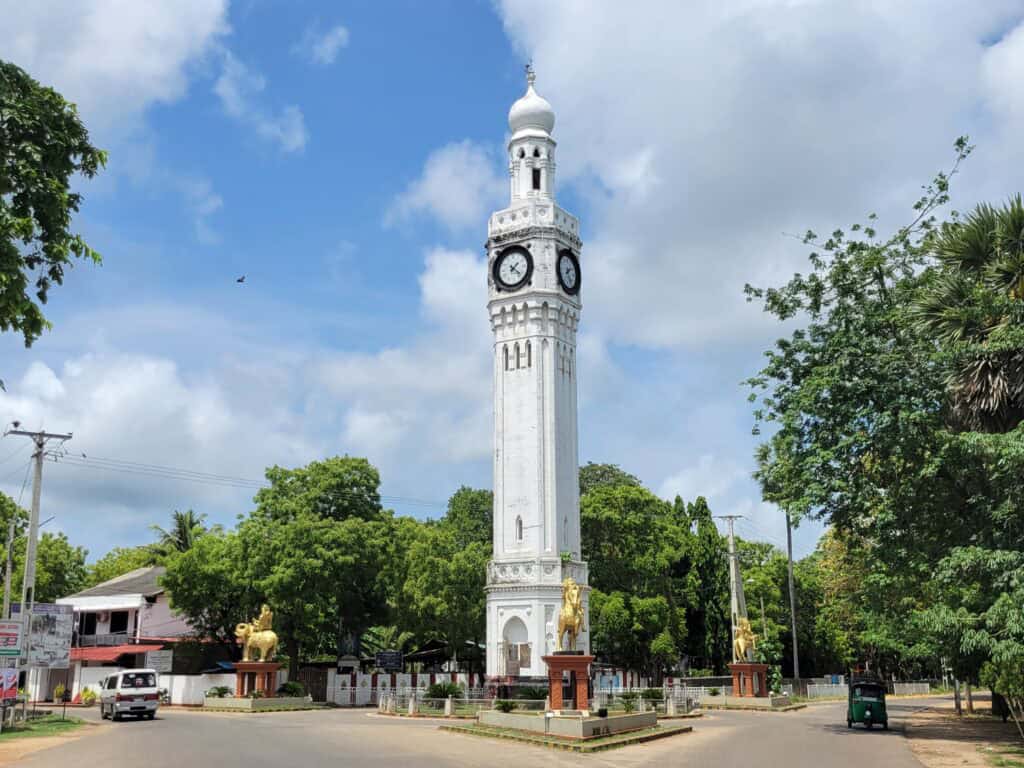
The Clock Tower is one of the city centre’s oldest landmarks, dating back to 1875. Statues of old kings decorate the clock’s base. King Charles donated the funds required to restore it, and the clock still keeps accurate time.
Jaffna Public Library was once one of Asia’s largest libraries, until it was tragically burnt down in an arson attack in 1981. Over a million books were destroyed, including ancient Tamil manuscripts. It remains a historical landmark.
Jaffna’s Islands are connected to the mainland by a series of causeways, and are full of villages, beaches, and clear blue water.
Immerse yourself with the locals by catching a local bus. They head all over the kingdom from the central bus stand in town. Waiting to depart is the perfect time to linger with people of all ages, who are always eager to have a chat.
Getting around Jaffna
Jaffna city isn’t a very large place, and you can explore the central area easily on foot. Jaffna Bus Stand has regular buses to other parts of the peninsula and districts beyond the city centre. Tuk-tuks are literally everywhere and will take you wherever you need to go.
Getting to Sri Lanka
Sri Lanka is well connected with Asia, Europe, the Middle East, and Australia. Colombo is the country’s major international airport, located about forty minutes from the city. We flew in from Kuala Lumpur, a short four-hour flight. From Sri Lanka, we continued our journey by flying to the nearby Maldives.
A ferry now connects Jaffna to India, offering an alternative entry point.
Useful things to know before visiting Sri Lanka
Sri Lanka is a conservative country. Respect for local customs is important.
You will struggle to find a warmer, more welcoming people.
Public transport links all parts of the country. Schedules are hard to find, so drop by the central bus or train station to ask an English-speaking attendant about departure times.
It’s hot.
Imported goods are expensive.
Commercial Bank ATMs charges no fees.
The Wise Multi-Currency Card works everywhere and can be loaded with the local currency (Sri Lankan rupees). We use Wise when we travel – get yours here and support our adventures.
Paying by card is possible in supermarkets and many shops, but usually not in local restaurants or markets.
eSIM has reasonable coverage.
Recycling is still in its early stages.
There are plenty of mosquitos and insects, so bring repellent.
Public toilets are around, and require a small fee.
Visa Information A 30-day E-visa is all that is possible online or on arrival. 60-day extensions can be arranged at the immigration centre in Colombo. Most of the process can be completed online after you arrive in the country, but you’ll need to visit the office in person with your passport. Expect the process to take a few hours.
Final thoughts on travelling in Sri Lanka
Sri Lanka is many things. It is a country of variety and options. Your wishes will be accommodated. Rejuvenating resorts, palm-lined beaches, wildlife safaris, and ancient sites are just some of the many experiences on offer. Sure, you can come on a tour, visit the famous sites, and just relax by the pool at a five-star hotel. This might be exactly what you need. Visit a National Park, take a scenic train ride – all wonderful things to do. But Sri Lanka has, and is, so much more. There is a feeling here that takes a few weeks to soak in, and it’s hard to find on the well-trodden path. It lies away from the busy areas – on local buses, in village markets, and on the streets of out-of-the-way towns and cities.
Sri Lanka is a destination where you need to stay in local guesthouses or Airbnbs, eat rice and curry at roadside eateries and shop at village markets. This is where you’ll discover the genuineness of the island and its people, their warmth and hospitality. Sri Lanka is an amazing place, rich in history, wildlife, and iconic sites – but what makes it truly special is the time spent with its people, and the memories you’ll carry forever.
You may also be interested in: Thiruvananthapuram (Trivandrum) – A City Worth Discovering