
Looking for tips on what to expect when exploring Tanzania? Want to experience its local culture and epic wildlife? This Tanzania travel guide covers everything you need to know, from how to get there to what makes it worth visiting. Our adventure took us through Arusha, Dar es Salaam and Zanzibar, offering a deeper look at what travel here is really like. We share our insights on where to stay, where to eat and drink, and the best things to see and do. Our travel style is independent and immersive, with a focus on practical tips and useful things to know before exploring Tanzania beyond the usual tourist trail.
Some links may be affiliate, meaning we earn a small commission at no extra cost to you – this helps us keep sharing honest travel inspiration.
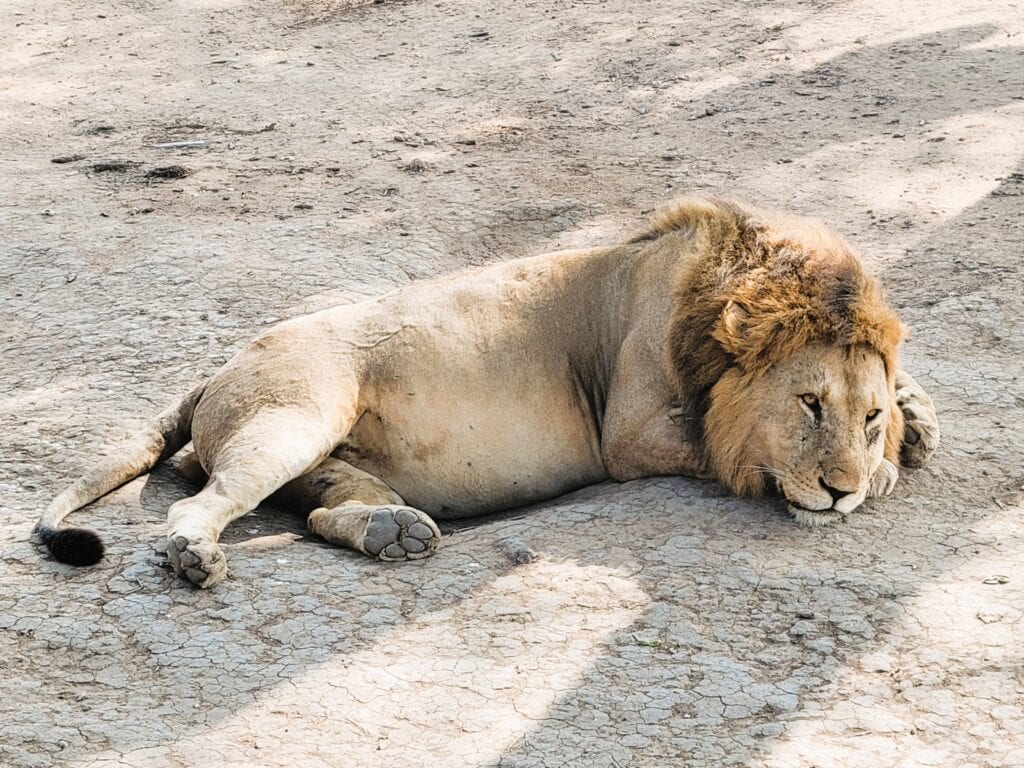
Tanzania, ‘the brain of Africa’. The nickname refers to the intellectual and cultural diversity of the country, and the belief that Tanzania is the cradle of humanity. The term could also refer to the need to use your brain, to avoid the hustlers and exorbitant prices that go hand in hand with world renowned sights. ‘Land of the lion’ is also applicable – Tanzania is home to an estimated 15,000 of these majestic beasts, making the country one of the best places on earth to spot them.
Why go to Tanzania?
Visitors come to Tanzania for one of three reasons: to go on safari in the Serengeti National Park or Ngorongoro Crater, to summit Mount Kilimanjaro, or to relax on Zanzibar Island. Tanzania is one of the best wildlife destinations on the planet, with people travelling from all over the world to see lions and a huge array of other animals. Most travellers pass through the country’s cities and towns, understandably eager to reach these iconic places. These cities and towns are, however, where you’ll find local people and gain a better understanding of everyday Tanzanian life.
Quick facts for travelling in Tanzania
- Capital: Dodoma
- Best time to visit: June to March (wet season is April to May)
- Budget (mid-range couple): AU$150 per day
- Currency: Tanzanian Shilling (TZS)
- Language: Swahili and English
- Visa requirements: Yes
- Travel difficulty: 2 (1 = basic & 5 = challenging)
Arusha
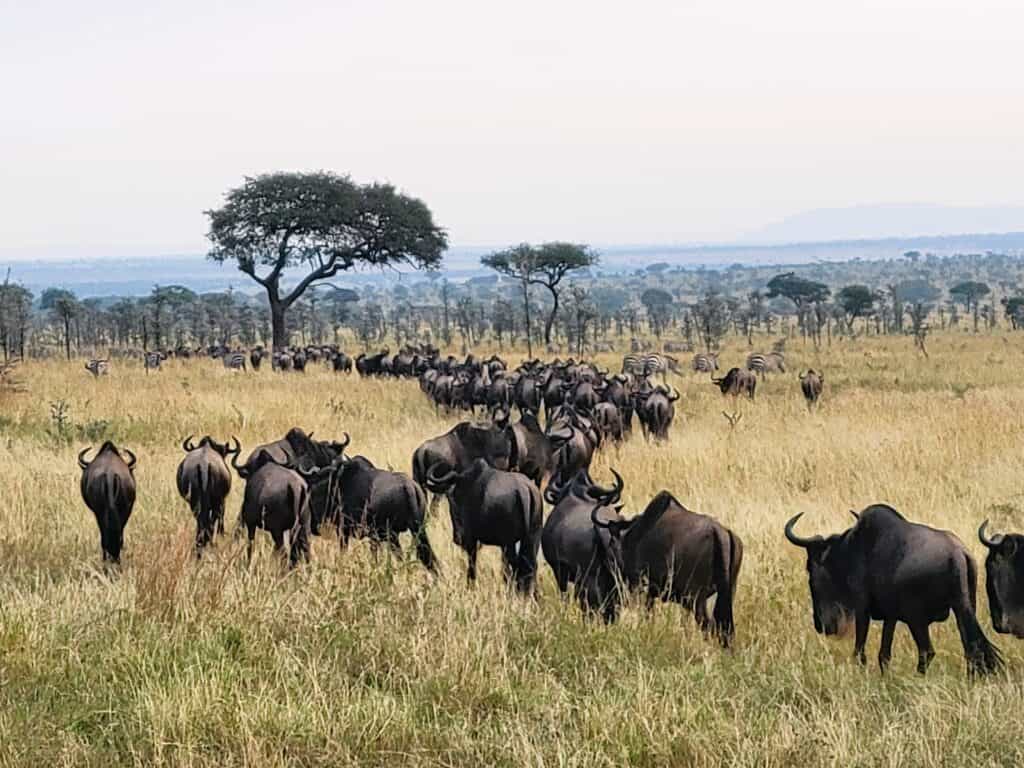
Known as the safari capital of Tanzania, due to its close proximity to the Ngorongoro Crater and Serengeti National Park, Arusha is a busy place. Most people don’t hang around for very long, choosing instead to head off on one of the many safaris. But there’s life beyond the safaris. Hidden gems are within easy reach, while the cities rich culture and heritage is well worth immersing yourself in. It’s also an ideal place to take a break from Tanzania’s relentless heat, the areas cooler climate providing welcome relief from the baking sun.
Getting to Arusha
Arusha is a popular transport hub, with the nearby Kilimanjaro Airport connecting the city with Europe, The Middle East, Dar es Salam and other African cities. Buses and shuttles also come and go daily from Nairobi, Dodoma and Dar. We arrived and departed from Nairobi, the trip taking around six hours including the border crossing.
Where to stay in Arusha
There’s no shortage of places to stay in Arusha, from luxury to budget. The city centre is where most of the bigger hotels are, while the outer suburbs have more guesthouses and Airbnb’s. Staying in the centre of town is convenient, with neighbourhoods away from the city offering a more relaxing stay. Places on the outskirts tend to be a little more authentic and traditional. We stayed out in the local Sakina district and loved the experience.
Where to eat and drink in Arusha
The best place to find food in Arusha is on the streets. Restaurants tend to be overpriced and focused on the tourist dollar. There are still some excellent hidden spots around if your willing to dig a little deeper. Along the busy streets, you’ll find all sorts of local bites — roast vegetables, rice, beans, and sweet corn. Standing on the roadside, munching on corn alongside the locals, is always a memorable experience.
- Get to Five Chutneys (popular place to pick up Indian vegetarian snacks and juices. Small dishes)
- Don’t miss Themi Living Garden (a lovely local women’s initiative, serving delicious vegetarian food under some trees on the banks of the river. Also sells art)
- Check out local cafes and street food (they are everywhere. You won’t find them on google maps or trip advisor, but they make some of the best coffee and food around, for a fraction of the cost of restaurants)
Things to see and do in Arusha
Immerse yourself The town itself has no must-see attractions, but strolling the streets, immersing yourself in a local neighbourhood, and exploring the markets is worthwhile. Arusha also serves as the gateway to three of Tanzania’s world-famous sights.
Serengeti National Park is one of the best places in the world to see big cats. These magnificent creatures, along with thousands of other animals, can be found in this truly remarkable place. It’s about a four-hour drive to the park gate, along with at least two more hours to reach your accommodation. While it’s possible to explore the park independently, most visitors join a safari. This is undoubtably the easiest and most rewarding way to experience it. Not only is everything organised for you, but you’ll also have an expert guide who knows exactly where to find the wildlife. Safaris can be arranged before you leave home or on the spot in Arusha. Booking ahead is usually the most affordable option. There are hundreds of companies, so it pays to get a few quotes and shop around. They are not cheap, but they’re honestly worth every cent.
The Serengeti is one of our top three national parks in East Africa – discover why we loved it so much
Ngorongoro Crater is an epic natural attraction. The diversity of wildlife living together in this ancient volcanic crater is mind boggling. Reaching the crater requires a four-hour drive from Arusha. Like the Serengeti, it is best experienced on a safari. We included the crater on our four-day Serengeti safari, the most cost-effective way to see both destinations.
Mount Kilimanjaro is one of the seven summits, and attracts climbers from all over the world. Trips can last from three to six days, depending on your experience. It’s not easy. 40% of people fail to reach the summit due to the altitude. Trips are best planned and arranged well in advance, however, it is possible to organize in Arusha, if you are prepared to wait a few days.
National Parks lie within easy reach of Arusha. Lake Manyara, Tarangire and Mount Kilimanjaro National Parks are all home to an assortment of landscapes and animals. They are all worthwhile, and much closer than the Serengeti.
Waterfalls and hiking opportunities are a short distance from town. Guides are in abundance. You will find them in one of the many tour company offices around town. If you have your own transport, you can explore some of them independently without a guide.
Getting around Arusha
Arusha is a boda boda (motorbike taxi) town. They dominate the public transport options and are literally everywhere. Downtown can easily be explored on foot. If you are more comfortable in a taxi, they are also easy to find. You will not have any issues finding a lift. Unless you are familiar with the cost, always agree on the prices first.
Local-style experiences still remain, as do off-the-beaten track spots.
Dar es Salaam
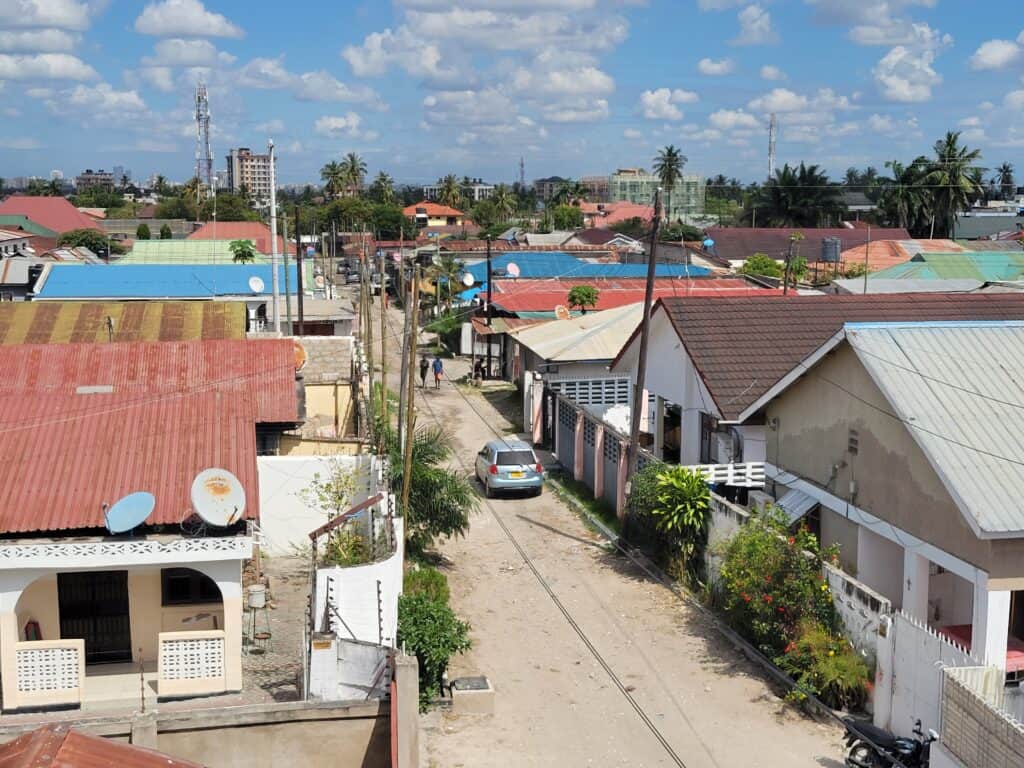
It may not be the official capital, however, it is no doubt the country’s busiest city. The port is one of Africa’s largest, with ships crowding the offshore seas waiting to unload and collect goods. The tangled downtown streets are a jumble of traffic, the constant sound of horns filling the air. Large buildings and office blocks are the norm here, while the prime ocean front real-estate is home to luxury hotels or the cities well-to-do citizens. The only reason people come here is to catch the ferry, with the outer suburbs presenting quieter places to stay. Away from the centre, streets quickly turn to sand, and the city gets more of an African feel about it. Local people, living their lives.
Getting to Dar es Salaam
Dar es Salaam is home to Tanzania’s busiest airport, with excellent connections to other African destinations. The Middle East is also well connected, while Amsterdam provides a link to Europe. We flew in from Bujumbura, Burundi. Multiple fast-speed ferries make the two-hour trip to Zanzibar.
Where to stay in Dar es Salaam
Dar es Salaam is a massive city. Nowhere stands out as the ideal place to stay. Downtown is convenient for the ferry to Zanzibar, although it’s mostly flash hotels in this area. The surrounding areas are more suited to those wanting to immerse in local life. We stayed in the Sinza area, an area full of local restaurants, and close to the large Mlimani Mall. Sinza was one of our favourite Tanzanian neighborhoods.
Where to eat and drink in Dar es Salaam
The city has an enormous range of restaurants — every kind of eating option you can imagine. In local neighbourhoods, there’s always a streetside shack cooking up something fresh. BBQs are popular, as are casual bars. Fruit shacks are never far away, and fried potato chips are a local favourite. Our go-to local meal was ugali with beans and cassava leaf — simple, hearty, and delicious.
- Get to Chowpatty Restaurant (serves tasty vegetarian Indian food. It gets packed with locals around lunchtime. The food is delicious. Quick service)
- Don’t miss Shoppers Supermarket in Mlimani Mall (the best place to get all your supplies. Sells everything from fruit and vegetables, to alcohol and TVs. Keep an eye out near the carpark entrance for local cashew nuts)
- Check out Swaad Restaurant at Mlimani Mall (serves up a variety of food. Staff are friendly)
Things to see and do in Dar es Salaam
The Fish Market is a melting pot of activity, with the constant noise of locals buying and selling the catch of the day.
Mwenge Woodcarvers Market has an assortment of crafts and souvenirs on offer. Be prepared to bargain. Prices start at ridiculous amounts. As a guide, divide it by four and start from there.
Immerse yourself by wandering the streets and markets around where you are staying. Chat with the locals, buy some fruit, grab a snack. It’s a lot of fun.
Getting around Dar es Salaam
The city has a large range of public transport options. Buses, bodas, tuk-tuks and taxis navigate the packed streets. Uber is available, as are local ride share apps. We used tuk-tuks. They go everywhere. Boda’s in Dar es Salaam have a reputation for being some of the un-safest in East Africa.
Zanzibar
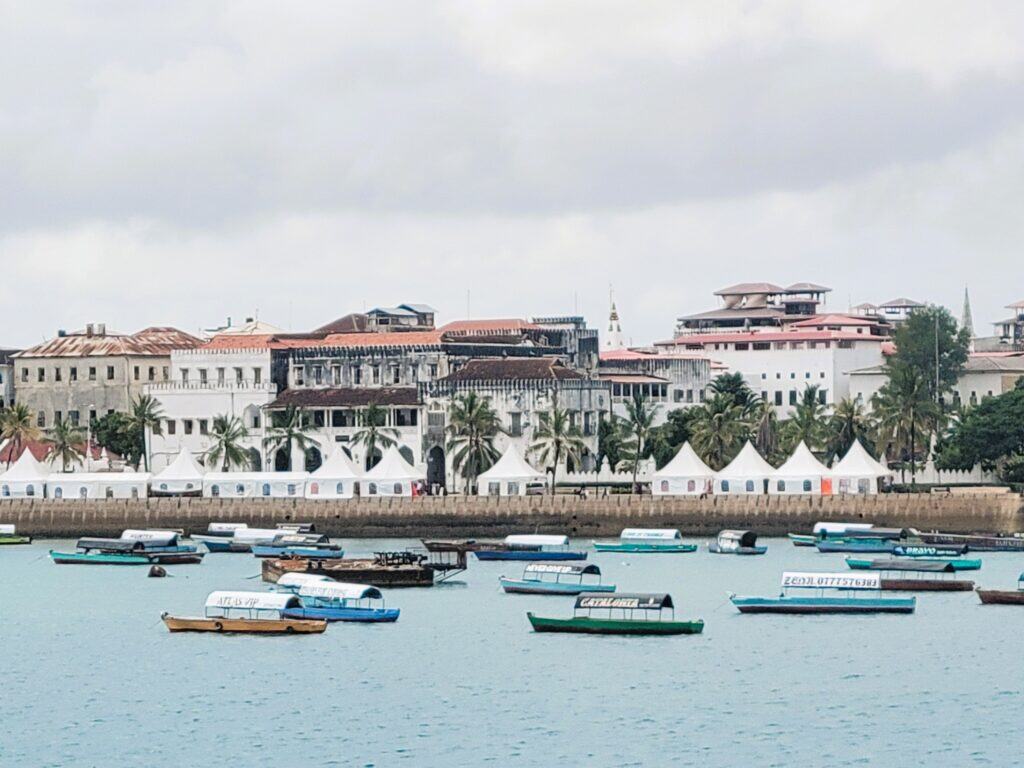
Zanzibar undeniably has a rich and fascinating history. Influenced by a variety of cultures, it has a distinct Arabian feel about it. Tropical beaches are scattered around the island, along with small sleepy villages. Historical Stone Town attracts the majority of visitors, it’s narrow, twisted maze of lanes home to a mix of ancient architecture. The old wooden doors and stone blocks would no doubt have many stories to tell. These days, it’s all tourist shops selling souvenirs, cafes and restaurants. Stone Town, like plenty of other popular places, may feel like it’s sold its soul to tourism. It’s history, however, will always remain.
Getting to Zanzibar
The island is a popular holiday destination for Europeans, so it’s no surprise that getting here from Europe is simple. Daily flights also connect the Middle East, and mainland Africa. Flying to Zanzibar poses no problems. Multiple fast ferries link Dar es Salaam and Zanzibar, the trip taking two hours.
Where to stay in Zanzibar
Most visitors stay in Stone Town. This is where the majority of accommodation options can be found, and it’s also where we stayed. From traditional-style apartments to boutique hotels, everything is clustered here. This is the ideal area for exploring the old town. Areas away from the centre are perfect for those wanting a bit of peace and quiet.
Where to eat and drink in Zanzibar
Stone Town is packed with places to eat, with restaurants competing for customers. Prices are usually on the high side and portions on the small side, so finding a truly local spot with local prices can be a bit of a challenge.
- Get to The Passing Show (decent selection of fair priced dishes, welcoming staff)
- Don’t miss Homebase Local (you won’t find many tourists here, just locals. Serves local food, with local prices)
- Check out Lukmaan Restaurant (one of the best places on the island to try local dishes, at local prices. It’s a busy place, but there’s plenty of food and room upstairs)
Things to see and do in Zanzibar
Stone Town has a collection of sights to check out, including Old Fort, House of Wonders, and the Old Dispensary. Perian Baths and ruined Palaces can also be found around the old town. Old wooden doors, crumbling buildings, and seaside palaces adorn the street, as they have for many years
Darajani Bazaar is the place to find produce and spices. Prices are high.
Darajani Souk sells beautiful fabrics, along with other everyday goods.
Boat Trips to offshore islands are an interesting way to spend a few hours. You can find these along the waterfront, and getting a group together is the best way to get better value.
Walking Tours through the old town are the best way to learn some of the history and many stories of Zanzibar.
Getting around Zanzibar
The best way to experience Stone Town is on foot. It is the only way to navigate the narrow streets and alleys. Taxis and boda boda’s linger on the outskirts, ready to take you to secluded beaches and deserted corners of the island.
Getting to Tanzania
Dar es Salaam has excellent connections to other African cities, several routes to the Middle East, and at least one flight a day to Europe. Overland travel is also straightforward, with easy crossings from Kenya, Rwanda, Uganda, and Burundi — we crossed from both Kenya and Rwanda ourselves, and it couldn’t have been simpler.
If you’re planning an overland trip, our guide to crossing East African borders independently covers everything we learned along the way
Useful things to know before visiting Tanzania
E-visas can take a while, so make sure to apply in advance.
Bring US dollars — they’re the most widely accepted foreign currency.
We used the Wise Multi-Currency Card during our trip and loaded it with Tanzanian shillings. Wise helps you save on fees – grab yours here and support our journey.
Arusha and Zanzibar are full of tourists.
Safaris aren’t cheap, so do your research, ask plenty of questions, and book ahead for the best deals.
Zanzibar is arguably the most expensive place in East Africa, and every visitor must pay a compulsory US$45 insurance fee on arrival.
Final thoughts on travelling in Tanzania
The Serengeti is a place that you will never forget – a memory that will remain with you for a lifetime. The sheer size of it and the number of animals means you can still avoid other visitors, with the sense of the true wild still possible to find. There are, however, a lot of visitors. There will come a time when some of the appeal is lost due to excessive numbers. When this happens remains to be seen. The Ngorongoro Crater, a much smaller area, has already reached its limit, and it’s almost impossible not to see other safari jeeps.
Zanzibar has a similar problem. A US$45 fee greets all arrivals, shops display goods in US dollars, and everything is over-priced. Tanzania has become a victim of its own success. Everyone wants a piece of the pie. However, local-style experiences still remain throughout Tanzania, as do off-the-beaten-track spots. The journey to reach them won’t be easy, but it’s not always about the destination – sometimes it’s the journey getting there.
You may also be interested in: Why Africa Should Be Your Next Adventure