
Looking for a safe African country to explore, home to world-class national parks and incredible wildlife? Curious about what it’s like to travel in Botswana, and where to stay for an authentic local experience? This Botswana travel guide covers everything you need to know, from how to get there to what makes it worth visiting. Our adventure took us through Gaborone, the Okavango Delta and Chobe National Park, offering a deeper look at what travel here is really like. We share our insights on where to stay, where to eat and drink, and things to see and do. Our travel style is independent and immersive, with a focus on practical tips and useful things to know before visiting this obscure destination.
Some links may be affiliate, meaning we earn a small commission at no extra cost to you – this helps us keep sharing honest travel inspiration.
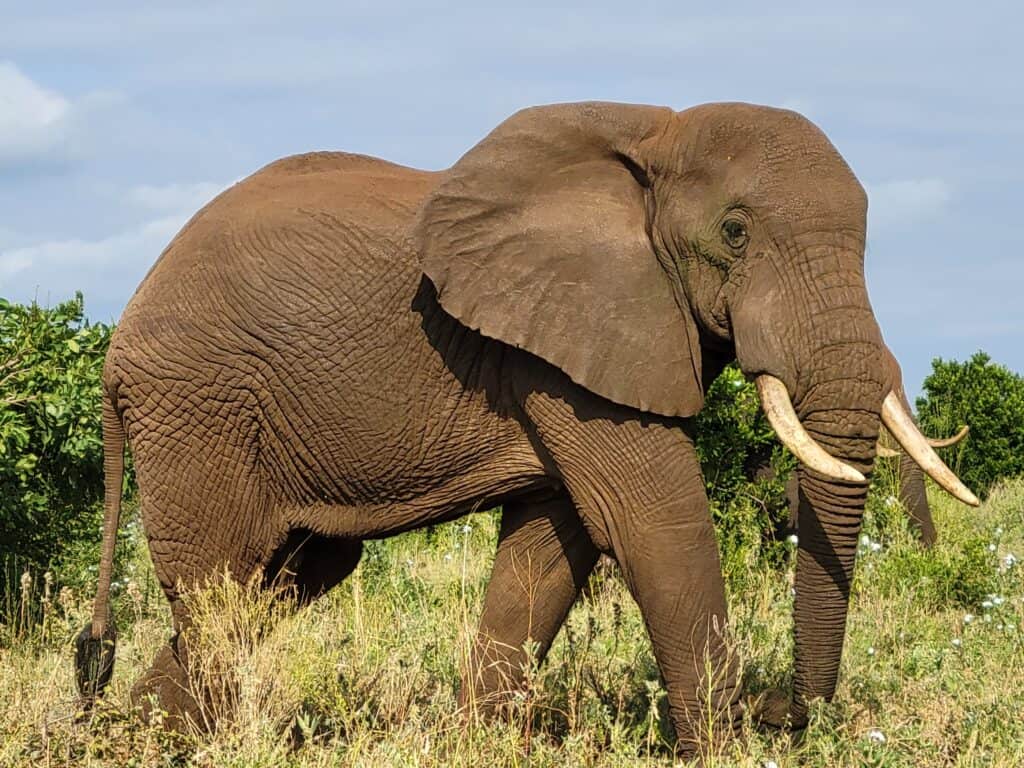
Botswana, ‘the peaceful nation’. This is no exaggeration, nor a future dream the country hopes to achieve. This is one of the safest destinations in Africa, and they are proud of this fact. Of course, ‘land of elephants’ could also be the slogan, with Botswana home to over one hundred and twenty thousand of these majestic beasts – the largest elephant population on the planet. But it is the peacefulness and safe environment that satisfies them the most, peaceful and safe not only for residents and visitors, but also for the wildlife.
Why go to Botswana?
With world-class wilderness areas such as the Okavango Delta, Chobe National Park, and Kalahari Desert all within its borders, why wouldn’t you want to visit Botswana? Over eight hundred species of animal call the country home, making Botswana a must-visit destination for nature and wildlife lovers. With top-class accommodation and a wide variety of adventures and activities, you’re unlikely to be disappointed. Add a calm atmosphere and laid-back locals, and Botswana becomes an excellent alternative to its often-crowded neighbours.
Quick facts for travelling in Botswana
- Capital: Gaborone
- Best time to visit: May to October (wet season is November to April)
- Budget (mid-range couple): AU$150 per day
- Currency: Botswana Pula (BWP)
- Language: Setswana and English
- Visa requirements: No
- Travel difficulty: 1 (1 = basic & 5 = challenging)
Gaborone
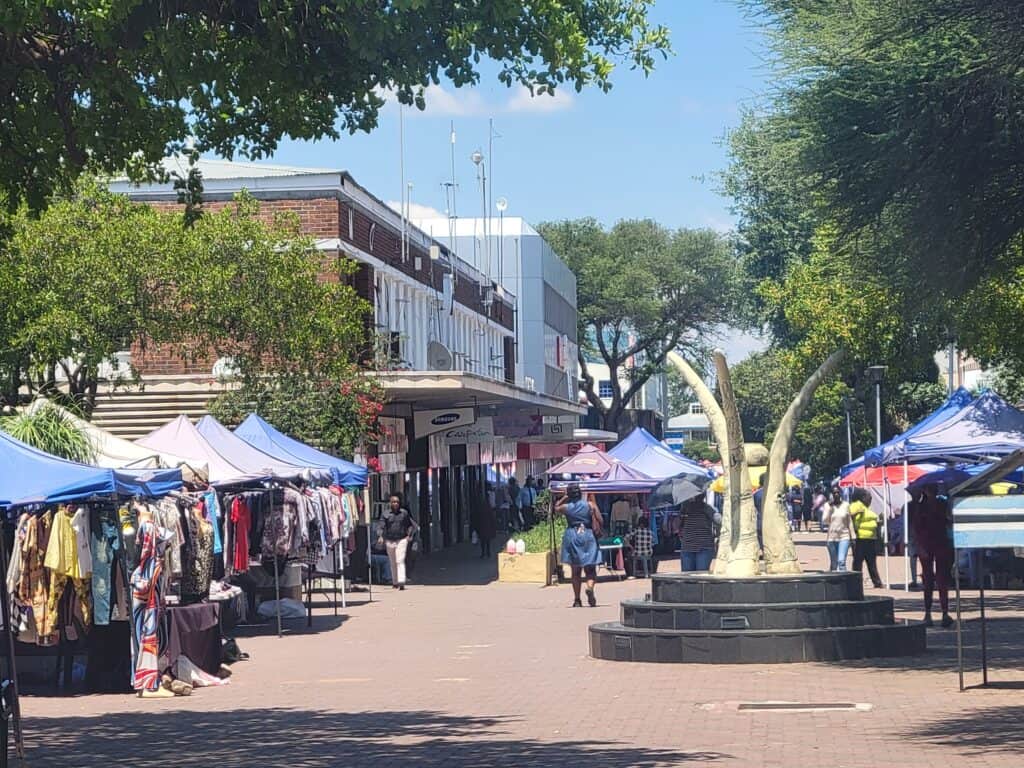
Gaborone is not a city of magnificent colonial architecture, world-class attractions, or endless sights. In all honesty, there are no unmissable landmarks here. For most visitors to Botswana, it serves as a departure point for excursions into the country, or a place to spend a night before an early flight. And that’s exactly what makes Gaborone so unique. There are no safari jeeps or tourist groups here – just Gabz locals going about their day, living their lives. The city’s streets are clean and tidy, peaceful almost. Calm and orderly are the themes here. Gaborone is a great place to relax, take a break, or catch up on some work. The city has everything you need, with modern malls offering a wide range of modern resources. People here are friendly, and there’s a good vibe.
Getting to Gaborone
Getting to Gaborone is only possible once you are already in Africa. Regular flights connect the city with neighbouring countries, but there are no direct flights from destinations outside the African continent. Daily buses link Gaborone with Johannesburg – a trip of about six hours – and we travelled on NKK Express, which provides reliable service and good comfort, and stops in Okwa.
Where to stay in Gaborone
The city centre is dominated by offices and business, so there’s no real attraction in staying here. The surrounding neighbourhoods, or blocks, provide much better options when searching for accommodation. Malls are everywhere, so you’ll usually be within walking distance of shops, restaurants, and other amenities. Public transport is widespread and cheap, as are taxis. It’s best to choose a place you like first, before worrying too much about the exact area.
We stayed in the Okwa district, next to the Botanical Gardens. This is an excellent location, with a short walk to Riverwalk Mall and with easy access to the rest of the city. Okwa is also home to several attractions worth exploring, making it a convenient base for both sightseeing and enjoying local life.
Where to eat and drink in Gaborone
Gaborone is a city of malls, most of which have cafes and restaurants popular with both locals and visitors. Beyond the malls, there are plenty of other dining options scattered throughout the city. Street kitchens are easy to find, with most of them providing a high standard of classic local dishes. These kitchens are where the city’s workers spend their lunch breaks, often forming long lines around 12pm. We found a great one serving comforting home-cooked food, and friendly ladies happy to tell us about the dishes on offer.
- Get to Daily Grind Cafe (close to the National Museum, this popular spot serves great coffee and small meals. Friendly staff make it a welcoming stop for both locals and visitors)
- Don’t miss Satvik Restaurant (one of the best pure vegetarian Indian restaurants in Africa! Amazing flavours, variety and value. Orders are placed online or over the phone, for pick-up or delivery; there’s no sit-down restaurant)
- Check out Zest Restaurant and Bar (located at the Gaborone Club in Okwa, which also has tennis and squash courts, lawn bowls, and a pool. Friday nights are DJ night, making it a fun spot to enjoy drinks with the locals)
Things to see and do in Gaborone
Gaborone Game Reserve Just a few minutes outside of the city, entry is affordable for everyone. The reserve has well-signposted roads to explore and is home to several antelope species, along with other wildlife. There are no walking trails.
National Museum and Art Gallery A fairly new and modern building, with interesting displays, including traditional homes, old cars, and a cool railway carriage. Entry is free.
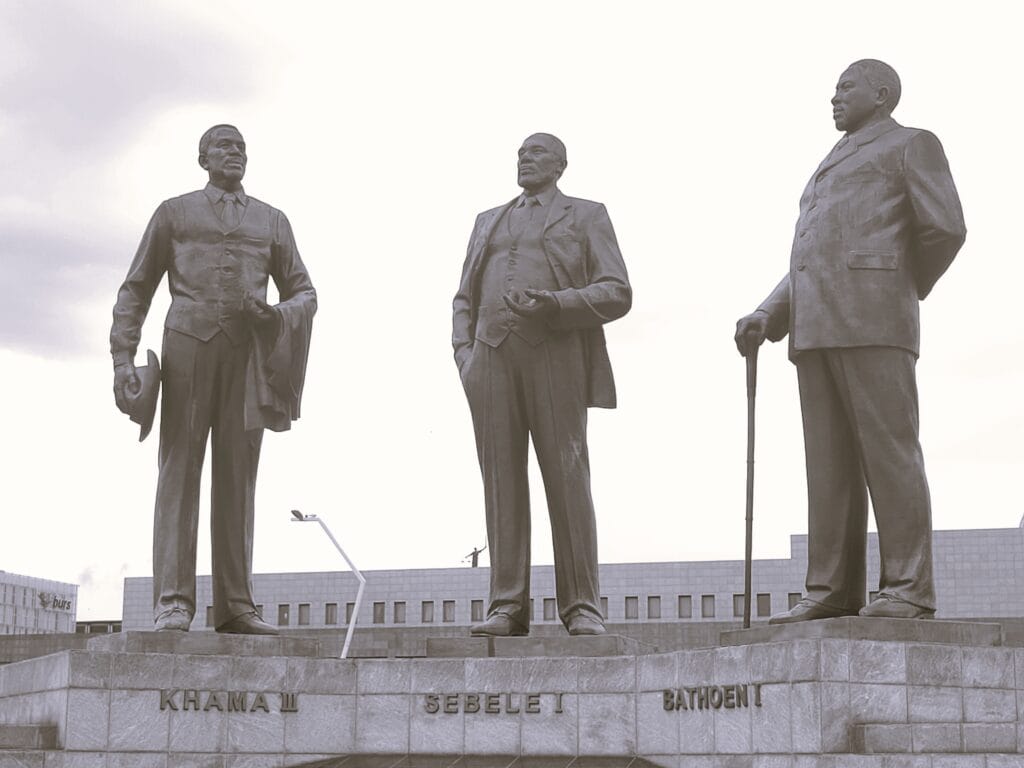
The Three Dikgosi Monument represent three important figures in Botswana’s history. The monument overlooks a pleasant park that is often used for celebrations and events.
Kgale Hill is undoubtably the best place for panoramic views of the city and surrounding area. Easy-to-follow trails lead up the rocky slope, and the climb is well worth the effort. Bring plenty of water.
National Botanical Gardens While not extraordinary, the gardens are a great place to spot mongoose, squirrels, rock hyrax, and a variety of birds. They’re located in the Okwa district, just across from Zest Restaurant.
Thapong Visual Arts Centre Located in Okwa, this centre is a hub for local artists, with small stalls, an art display, and a nice café. Lovely spot to pick up souvenirs and gifts.
Immerse yourself in everyday Gaborone life by visiting one of the city’s many modern malls – there’s no shortage of them. With restaurants, cafes, bars, cinemas, and all the usual shops, they’re a popular pastime for locals. For something a little more down to earth, head to the local Main Mall, where small stalls and daily activity give a feel for life in the city, and it’s a great place to try a street kitchen. Alternatively, the Gaborone Club offers a more social, local experience.
Getting around Gaborone
Getting around Gaborone isn’t too difficult. Minivans, called kombis, service most neighbourhoods from early morning until around 8pm. They stop at designated bus stops, but will also pick up passengers if you wave them down. The city has several bus stations, each serving different routes, so make sure you’re at the right station before heading off.
Taxis are also very affordable, a ride across the city costing just a few dollars. You can wave them down on the street, and it’s often possible to share the cost with other passengers going the same way.
Botswana is a leader in conservation, with over 40% of the country protected.
Botswana’s Okavango Delta and Chobe National Park
The Okavango Delta is the largest inland delta in the world. This vast network of rivers and swamps appears during the rainy season, and transforms the Kalahari Desert into a unique ecosystem teeming with wildlife. Renowned for its rich birdlife, the delta has to be seen to be believed. You won’t find lines of safari jeeps or over-crowed lodges here – the Okavango offers more of a quality over quantity experience. It is not a cheap destination to visit, but a visit here promises a more personal and exclusive encounter with nature.
Chobe National Parklies in close proximity to the Okavango Delta and includes the Chobe River. Unlike the water-based delta, Chobe is land-based, and home to the more traditional African safari experience. This is the place to see elephants, with well over one hundred thousand residing here. Chobe is also one of the best places to spot the endangered African wild dog. Much more accessible than the delta, Chobe is an excellent destination for nature and wildlife lovers.
Getting to the Okavango Delta and Chobe National Park
Maun is the gateway to the Okavango Delta. Flights connect Maun with the capital, Gaborone, and also with Johannesburg. It is possible to drive here from Gaborone, but be prepared for a long ten-hour journey. From Maun, the southern gate of the delta can be reached in about two hours.
Most visitors to the delta take a small plane deep into the park, where they are met by their accommodation. Given the vast network of waterways, driving isn’t a feasible option – boats and canoes are the primary means of getting around the many waterways.
Maun is also the gateway to the Chobe National Park, with the southern gate reachable in under three hours. Self-drive safaris are allowed, but you will need a 4×4 due to the often-rugged conditions.
Where to stay in the Okavango Delta and Chobe National Park
Forget about budget accommodation options. Luxury lodges and tented camps are the name of the game in both parks. In Chobe, there are also a few campsites for those who are well-equipped. For more affordable options, Maun has numerous hotels and guesthouses.
Where to eat and drink in the Okavango Delta and Chobe National Park
Most adventures into either park involve staying at one of the many lodges, which are usually all-inclusive – meaning three meals per day are included in the price. There are no eating options other than the lodges. If you are camping in Chobe, you must bring all your own food and ensure you take all of your rubbish with you.
Getting around Botswana
Long-distance buses connect towns and villages across the country, and are the most cost-effective way to get around. Self-driving is also common, with several international hire companies operating in the country. Safaris are a popular choice for those who are keen on extra comfort. Domestic flights save hours of driving time, but can be very expensive.
Getting to Botswana
Gaborone is the main gateway for exploring Botswana, but you can only reach it once you are already in Africa. Regular flights connect the city with South Africa, Zambia, and Zimbabwe, though there are no direct flights to destinations outside the African continent. Most international flights arrive at Sir Seretse Khama International Airport, just outside the city.
Beyond Gaborone, it is also possible to enter Botswana overland from Zimbabwe and Namibia. Daily buses link Johannesburg with Gaborone in about six hours, making this a convenient option. Once you arrive in Gaborone, it’s easy to access the rest of the country.
Want to explore more of Southern Africa? Start with our guides to Eswatini and Lesotho, then head over to Namibia and Angola for more adventure
Useful things to know before visiting Botswana
Botswana is one of Africa’s safest country’s.
Life in the country is very calm and composed.
NKK Express is a reliable bus company connecting Johannesburg and Gaborone
eSIM coverage is excellent.
The country follows a “quality, not quantity” theme, from experiences to services.
Activities and tours are generally not budget-friendly.
The Wise Multi-Currency Card works well for payments. Wise helps you save on travel – grab yours here and support our journey.
US dollars are the preferred foreign currency.
Locals appreciate you using a few local words: Ke a leboga means thanks, and dumela is hello.
Final thoughts on travelling in Botswana
Botswana is a pleasant country to explore. It is safe and can be discovered independently or on safari. Visiting the countries national parks will simply be out of reach for some, as Botswana aims to offer a more exclusive type experience. This may feel a little disappointing, since these attractions are truly stunning, but on the other hand, it’s excellent for the wildlife and the overall impact of tourism on these natural places. Botswana is a leader in conservation, with over 40% of the country protected. As a result, animals thrive in large numbers, making it one of Africa’s premier destinations for wildlife enthusiasts. While visiting these magnificent places can be costly, these funds go directly toward protecting the very sites we come to enjoy. Botswana is an amazing country, with beautiful people. It is clean, safe, and orderly – a destination that will leave you with memories that are simply priceless.