
Can you actually travel to Angola? Why go, what can you see and do, and what awaits in its most remote and wild places? This Angola travel guide (updated 2026) covers everything you need to know, from how to get there to what makes it worth visiting. Our adventure took us through Luanda and Calandula Falls, offering a deeper look at what travel here is really like. We share our insights on where to stay, where to eat and drink, and things to see and do. Our travel style is independent and immersive, with a focus on practical tips and useful things to know before visiting this obscure destination.
Angola, ‘land of the giant sable’. After a twenty-year civil war and decades of underfunded conservation, fewer than a hundred giant sable antelopes remain. ‘Land of natural attractions‘ is more appropriate now. Angola has been shrouded in mystery and intrigue for many years, with stories of war and corruption dominating the headlines. Abundant in natural resources, Angola is one of Africa’s richest countries. Yet most of the population still lives in poverty. Corruption and poor management have plagued the nation, but with the average age being seventeen, there is hope for the future.
Why go to Angola?
Angola isn’t a country on many peoples list of must-visit places. Why? Visa requirements put many people off, and there’s very little publicity about what there is to do and discover. People are afraid of what they don’t know. But with a new government recently elected, changes have been made, and travel here is now possible. Many countries can now enter visa-free, and tour companies are beginning to appear. With the ‘Seven Wonders of Angola’, there are some world-class natural attractions to discover that most people would never have heard of. Visiting them is not easy and takes plenty of time; however, it is now possible for the first time in years. Travelling here is a real adventure.
Quick facts for travelling in Angola
- Capital: Luanda
- Best time to visit: May to October (dry season, cooler)
- Budget (mid-range couple): AU$100 per day
- Currency: Angolan Kwanza (AOA)
- Language: Portuguese
- Visa requirements: No (for many short-stay tourist visits, depending on passport)
- Travel difficulty: 3 (1 = basic & 5 = challenging)
Looking for more adventure? 8 Obscure Places to add to your list
Luanda
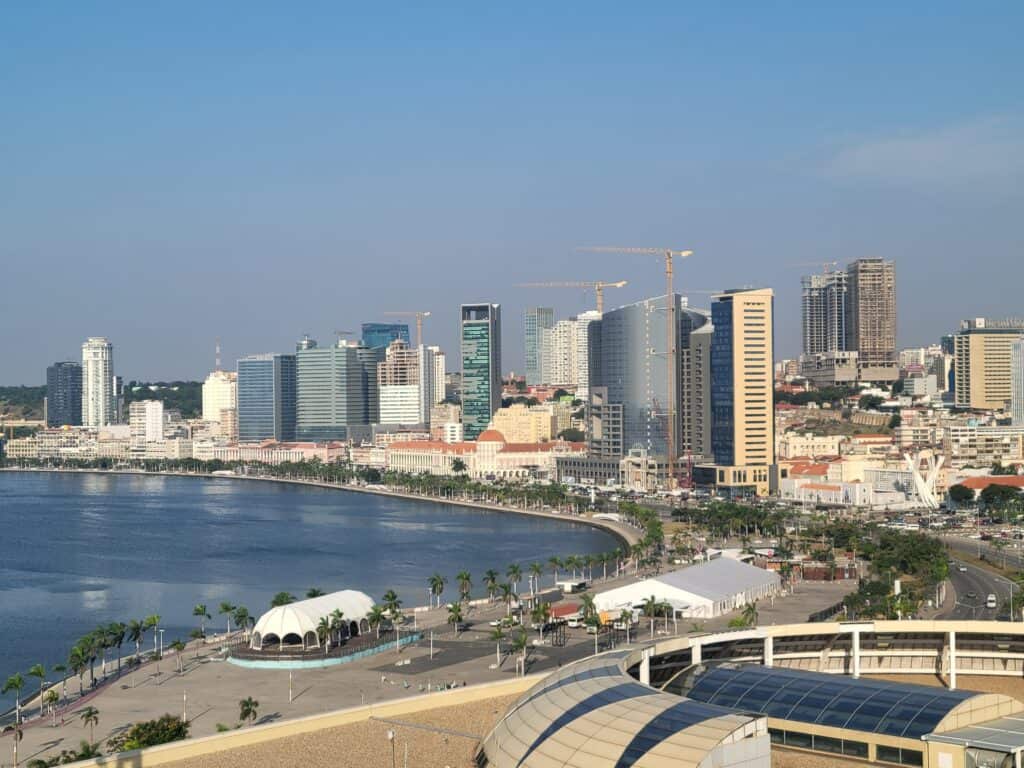
Luanda is a city of contrasts, with a downtown area full of modern offices and apartment blocks overlooking the water. Just a block or two away, you will find old colonial buildings, crumbling housing, and densely packed ghettos. Range Rovers navigate the streets alongside local vans crammed with passengers. But the flashy cars and buildings appear out of place. The authentic Luanda is found in the old buildings and the people who live there. It is the homeless children, the boys offering to polish your shoes, and the street vendors. People are hungry and homeless. This is life in the city. Many come here from the countryside looking for an opportunity. Luanda is not a city of rainbows and unicorns. It’s harsh. It’s Africa. But immersing yourself in the local surroundings and culture, and being respectful of it, is what travelling is about.
Getting to Luanda
Luanda is well connected, with access from Europe, Brazil, the Middle East, and numerous African countries. A taxi from the airport to the downtown area costs around Kwanza 10,000.
Where to stay in Luanda
Loads of expensive hotels in the downtown area. More affordable options are now starting to appear, with Airbnb’s becoming increasingly popular. These are a great option, that will allow you to experience everyday life. We found a decent one in the Ze Pirao neighbourhood.
Where to eat and drink in Luanda
Luanda is a massive city, a cultural and ethnic melting pot, with its varied cuisine reflecting this. Opportunities to sample local Angolan dishes, such as funge made from dried cassava, are easy to find. Most international cuisines, including Ethiopian and Portuguese, are also around. The streets serve as makeshift eateries, with roadside cook-ups scattered around busy areas – the ladies frying bananas, sweet potato, corn, and peanuts. These make great snacks and support the locals. Fresh fruit and vegetables appear randomly, with woman wandering the pavements carrying baskets of local produce on their heads. Supermarkets are everywhere.
- Get to A Biologica (organic café serving breakfast and lunch. Lovely smoothies)
- Don’t miss Ethio-Habesha (beautiful Ethiopian food with a friendly owner who speaks English)
- Check out Cas dos Fresco (a modern supermarket with local vendors selling fresh fruit and vegetables outside)
Things to see and do in Luanda
Fortaleza de Sao Miguel offers a great view of the city.
Viewpoint of the Moon Unusual rock formations about an hour south of Luanda.
Ships Graveyard Abandoned ships left to rust on the beach, one hour north of Luanda.
February 4th Avenue A pleasant walkway along the waterfront with good views of the city.
Natural History Museum Interesting collection of native animals. You will have the place to yourself.
National Slavery Museum A former church, now a small museum.
Art and Craft Market Best selection or art, crafts, and carvings. Located near the Slavery Museum.
Museum of Money Modern museum downtown explaining the history of money. Popular with school groups.
Ilha de Luanda The narrow strip of land extending out into Luanda Bay, with plenty of beaches and bars.
Sao Paulo Market Luanda’s largest market, with everything imaginable on offer.
Getting around Luanda
Most of the sights in the downtown area can be reached on foot. If you speak Portuguese, you can get a ride on a motorbike taxi or in a local van. These don’t have destinations marked on them – you must listen to the guy who yells out of the window! Taxis are also an option, but they are expensive.
For sights outside of town, a tour is your best bet. Several companies operate tours, which usually include lunch. You can choose a full-day tour covering all points of interest, including out-of-town spots, or a shorter city-only tour. We loved our day tour with Luzaya Tourismo (luzayaturismo.com) – wonderful local guides and professional service.
With sights that are largely unheard of, you will be surprised and impressed by what the country has to offer.
Calandula Falls
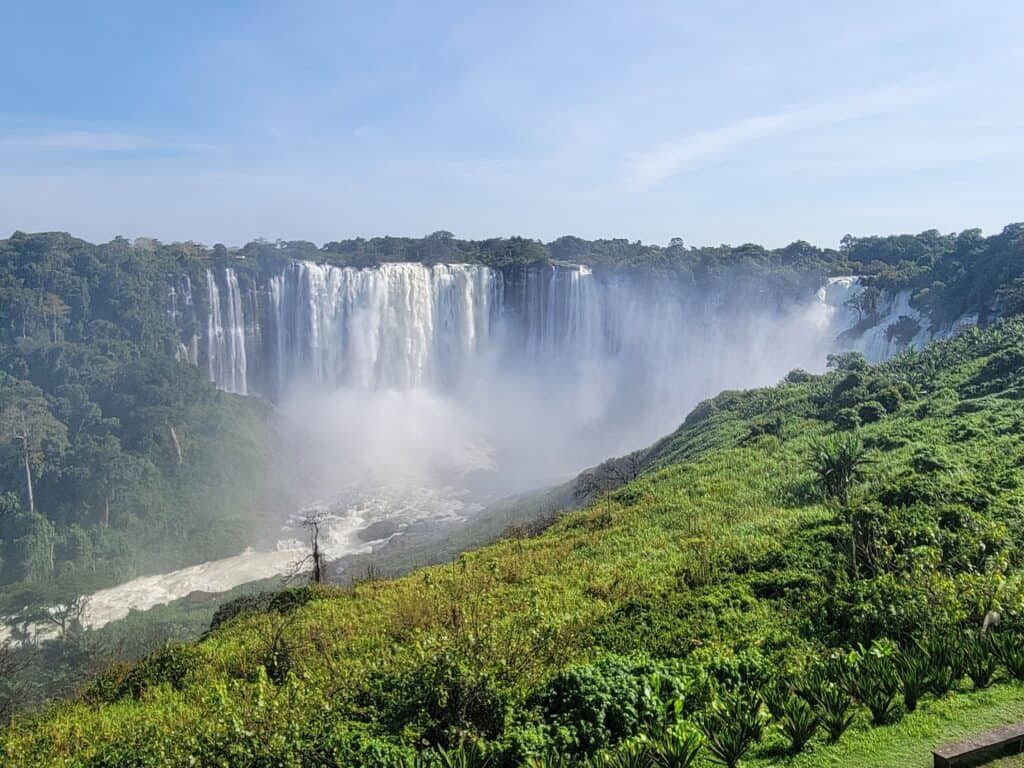
One of the Seven Wonders of Angola, the falls are the second largest in Africa and well worth the effort to get there. With a drop of over one hundred metres, they are an impressive sight. Measuring over one hundred metres high and four hundred metres wide, they can be seen and heard from miles away.
Getting to Calandula Falls
The easiest way to visit is by joining a tour. Most companies in Luanda offer trips that include the falls. The tour is a two-day trip, with stops along the way at various points of interest. Prices are all-inclusive and around US$400. Renting your own car is possible, but the road is in poor condition, and you will need to allow a full day to get there, including a stop or two along the way. We used Luzaya Tourismo (luzayaturismo.com) and found the journey much easier and more enjoyable, with a knowledgeable local guide who shared a wealth of insight into the country.
Where to stay in Calandula Falls
The Pousada Calandula Hotel is right next to the falls. The views from your room and the restaurant are amazing. Nearby trails lead to some of the best viewing points. The closet town to the falls is Calandula, where you’ll find a handful of hotels – it’s just a ten-minute drive.
Where to eat and drink at Calandula Falls
- Get to The Pousada Calandula (beautiful meals, friendly staff, and spectacular views)
- Check out Lwenze Turistico (a new hotel and restaurant in Calandula town)
Things to see and do in Calandula Falls
N’dalatando Botanical Gardens offers a quiet spot to take a break on your way to the falls.
Pungo Andongo is home to the Black Rocks Nature Reserve. The views from the top are well worth the climb.
Getting to Angola
Flying into Luanda is currently the easiest way to obtain a visa on arrival, if you’re eligible for one. We flew in from Sao Tome and Principe.
Entry via land from neighbouring Namibia may be possible, but this requires checking the latest visa regulations beforehand.
You may also be interested in: Namibia – Discover City Life and Wild Landscapes
Useful things to know before visiting Angola
Visas are no longer required for some countries. Check before departure.
It is not expensive, unless you want to stay in five-star hotels and eat at expat-oriented restaurants.
You will see homeless and hungry children.
You won’t find many people who speak English.
Getting around isn’t easy unless you speak good Portuguese.
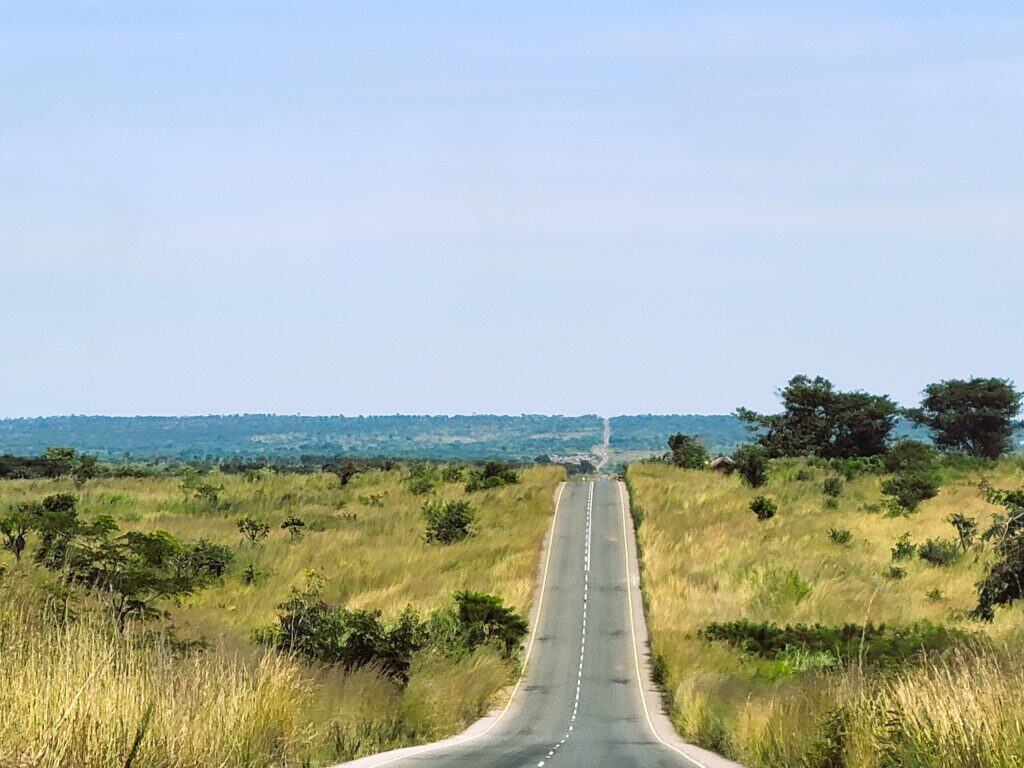
Infrastructure outside of Luanda is in a bad state, and travel takes a long time.
Your eSIM won’t work.
ATMs often have long lines and can run out of cash regularly.
There are plenty of quality supermarkets with both local and international products.
Final thoughts on travelling in Angola
Angola is an adventurer’s paradise. With sights that are largely unheard of, you will be surprised and impressed by what the country has to offer. Angola is vast, and getting around takes time, but the rewards when you reach your destination are truly awe-inspiring. Yes, there’s a lot of poverty, and you will be affected by what you see – both the good and bad. It’s obvious that corruption exists, given the state of things. Roads are terrible, regional airports are closed, and there’s no assistance for those in need.
Is it the most expensive city in Africa? No way! Maybe if you are an expat staying at the Hilton, driving a Range Rover with a private chauffer. But for the general traveller, it is similar to, or even cheaper than – many other countries. Despite the negative press, there is something positive in progress in Angola. Young people are returning with dreams for their country. They are the change that is needed. With entry requirements easing, other improvements will follow. Visiting here, you can feel the shift. Angola has so much to offer. It’s hard to believe it has remained so obscure for this long. The secret is out.
Need a little inspiration? Here’s Why Africa Should Be Your Next Adventure