
Safety is one of the biggest considerations when planning a trip. No one wants to put themselves, or their loved ones, into an unsafe environment. Researching how safe a country is will be one of the first steps when you’re deciding where to go. Unfortunately, Africa often receives negative media coverage, with stories of conflict or humanitarian issues dominating the headlines. Seldom will you hear anything on how safe and welcoming places truly are. This can make deciding where to travel feel confusing or even discouraging.
My wife and I recently spent five months travelling independently around East Africa, exploring each country. Not once did we feel unsafe, unwelcome, or even uncomfortable. Here, we’ll share the key things to consider in each of the five countries and offer a realistic look at what safety in East Africa actually feels like.
Some links may be affiliate, meaning we earn a small commission at no extra cost to you – this helps us keep sharing honest travel inspiration.
KENYA
Is It Safe for Tourists?
Kenya’s capital, Nairobi, gets plenty of negative publicity, for various reasons. If you wandered around late at night, you may run into some problems – just as you would in any capital city. During the day, it’s busy, noisy, and packed with people going about their day. This may deter some travellers, but for us it was all part of experiencing Kenyan life. The people on the street were always friendly and helpful, regularly stopping us for a chat. At no stage did we feel threatened. Of the five capital cities, Nairobi was actually our favourite. It’s full of life, energy, and engaging locals.
Away from the capital, cities and towns feel similar, just on a much smaller scale.
A cities calmness is usually reflected by the popularity of the government. If people are unhappy with the job the rulers are doing, they may become restless. When this happens, they gather on the streets and protest, which inevitably leads to conflicts with police and security. This happened whilst we were in Nairobi. The city shut down, with the city centre barricaded off. While this is very serious, it is more an inconvenience than a danger to visitors. Obviously, use your common sense and stay out of the downtown area. For everyone not caught up in the protests, life just goes on — especially outside the city centre. For locals, this kind of situation is nothing new.
By simply avoiding being out late at night in Kenya, you’ll eliminate most safety concerns. Markets and bus stations are always super busy, so stay alert to anything out of the ordinary. On the rare chance you may be there during a demonstration, using your common sense is really all that is required.
For more insights on travelling safely in Kenya, check out our Kenya travel guide
TANZANIA
Is It Safe for Tourists?
Tanzania claims to be one of the safest countries in the East African region. Calm and peaceful are the mottos here. Attractions such as the Serengeti and Ngorongoro Crater bring in hundreds of thousands of visitors and millions of dollars. The government realises how important a safe environment is – keeping the country safe is in their best interests.
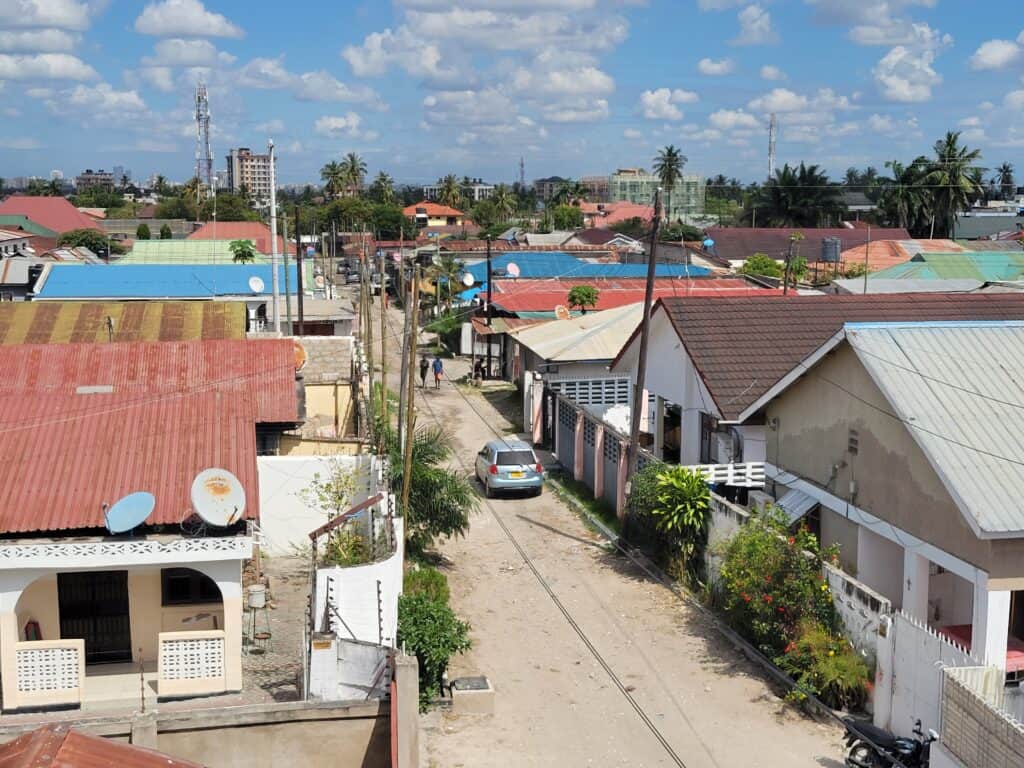
Dar es Salaam and Arusha are busy cities, though things move a little slower and more relaxed. If Nairobi is one hundred miles an hour, Dar es Salaam would be seventy. People here, like the rest of the region, are very receptive. Visitors are not unusual to them, and most locals are unconcerned by your presence. Although helpful and friendly when approached, they weren’t as sociable as neighbouring places. At no time during our time in Tanzania did we feel concerned or worried. You will no doubt encounter people who pester you to come and check out their stall or shop at markets. The key is to be firm and polite – a clear ‘no thank you’ should do the job. These guys are not dangerous; they just see you as a potential sale.
Police and security officers are never far away. All ATMs and banks have 24-hour guards, and most shops also have security at the door.
If you avoid late nights and keep your possessions secure, Tanzania will be a safe and hassle-free destination.
Our Tanzania travel guide covers useful things to know before you go
The vibe and attitude of the people in this part of the world are like nowhere else – friendly, loving, and helpful locals are all we met.
UGANDA
Is It Safe for Tourists?
Uganda sees fewer travellers than its well-known neighbours, so travelling here can have a more off the beaten path feel to it. Places can feel very remote and isolated. Away from the main attractions, you may not encounter many other foreigners. What you will find, though, are good natured and pleasant locals, grateful that you are exploring their country.
Kampala can be overwhelming, with its mess of traffic, fumes, and blaring noise – an overload for the senses. These factors, together with the masses of people, will slap you out of your comfort zone. But that’s one of the reasons why we travel. Kampala may appear like it’s on steroids, undoubtably, but there’s nothing to be afraid of. As long as you’re sensible, you are unlikely to have any problems.
Away from the capital, things rapidly slow down to a more relaxed pace.
We found Ugandans to be some of the nicest people, regularly stopping us for a chat, or telling us what we should see and do in their town.
Police and security officers are armed with big guns, like in almost every other country on the continent. These people aren’t scary. They actually love a chat. By treating them with respect and following any instructions, you’ll find most interactions are friendly and straightforward.
One important thing to consider in Uganda is public transport. Travelling at night is best avoided, as buses have a terrible accident record after dark. We always travelled during the day, which we highly recommended.
Learn more about travelling by public transport in East Africa
Uganda requires no special safety considerations beyond the everyday ones you would take at home. The fact that the country sees fewer tourists actually works in your favour – you will genuinely feel welcome. Authorities also want to attract more international visitors, so providing a safe environment is of high importance to them.
Uganda is a safe place to travel, with its authentic people adding to the country’s charm.
If Uganda’s calling, our Uganda travel guide breaks down how to explore it safely and independently
RWANDA
Is It Safe for Tourists?
Rwanda is unique when it comes to African countries. There are rules and regulations here, and people follow them. Speed limits, police, and cameras make travelling by road hassle free, while helmets are compulsory for motorcycles. Street lamps, footpaths, and rubbish bins create an orderly appearance, reminding you a little of home.
A long-term government and president ensure stability, making Rwanda a popular option for international investors. Kigali regularly hosts international summits and events, showing the world has faith in the systems the country has in place.
Familiar African staples, such as markets and bus stations, are very crowded and busy, so you’ll still need to be paying attention. Young men in these places can get a little demanding and may need to be told several times that their assistance isn’t required. They are not dangerous – they simply see you as a chance to make some money.
Rwanda is one of the safest countries in Africa, with Kigali more secure than many Western capitals. If you respect people and follow the rules, you’ll have no safety concerns while travelling here.
Rwanda is one of the easiest places to explore solo – dive into our Rwanda travel guide for everything you need

BURUNDI
Is It Safe for Tourists?
Burundi sees very few visitors. A ten-year civil war ended in 2005, and the tiny nation is only now emerging from the shadows. Most headlines and news articles remain negative, with some governments advising against travelling there.
After exploring the country recently, we found that this bad press couldn’t be further from the truth. Burundi was actually our favourite East African country. Its people are resilient and amazing, leaving a lasting memory.
If you’re keen on going somewhere truly off-track, Burundi delivers – check out our Burundi travel guide before you go
When researching East Africa, everyone tends to place Burundi at the top of their safety concerns list. This is completely understandable, as you can only base your research on what you can find in the media. You will be pleasantly surprised once you arrive and wonder where all these safety issues are. We didn’t encounter any problems and met nothing but exceptional people full of hope. Burundi is a hospitable country, warmly welcoming travellers. We explored the country and walked all over Bujumbura without ever feeling unsafe. We were met with nothing but love and kindness.
Practising the usual precautions is all that’s required when travelling in Burundi. Markets and bus stops can get super crowed, so stay alert. Travelling after dark should be avoided, as road conditions aren’t great.
Learn more about crossing borders in East Africa
Final thoughts – Is East Africa Safe for Tourists?
East Africa is many things; unsafe is not one of them. If you relied solely on mainstream news to choose a destination, you wouldn’t want to leave the house! Our five months here were some of our favourites in thirty years of travel. The vibe and attitude of the people in this part of the world are like nowhere else – friendly, loving, and helpful locals are all we met. Never did we experience hostility or aggression.
We have three simple rules when travelling anywhere in the world:
- We don’t stay out late.
- We use our common sense in busy places like markets and bus stops.
- We are always respectful and friendly.
By following these everyday practises, you shouldn’t have any safety concerns in East Africa. You will leave this region with new friends and a lifetime of unforgettable memories and special moments.
East Africa is an excellent and safe region to explore. With fantastic people, epic wildlife, and spectacular scenery, there are countless lifetime memories for the adventurous traveller.
You cannot leave Africa behind – it will always remain with you.