
Wondering what it’s like to explore this vibrant country? Or looking for recommendations on how to explore it more deeply and truly immerse yourself? This Senegal travel guide (updated 2026) covers everything you need to know, from how to get there to what makes it worth visiting. Our adventure took us through St Louis, Dakar, Fimela and Ziguinchor, offering a deeper look at what travel here is really like. We share our insights on where to stay, where to eat and drink, and things to see and do. Our travel style is independent and immersive, with a focus on practical tips and useful things to know before visiting this obscure destination.
Some links may be affiliate, meaning we earn a small commission at no extra cost to you – this helps us keep sharing honest travel inspiration.
Senegal, ‘one people, one goal, one faith’. One of the most stable countries in West Africa, Senegal has been attracting international visitors to its shores for many years. Known for its creative artists and musicians, it’s no surprise that it’s a very colourful and vibrant destination. Everyone is football mad, and you would think football would be the National sport, but in fact, it’s wrestling. Home to seven UNESCO world heritage sights, and six National Parks, along with over five hundred kilometres of coastline, Senegal has plenty to offer any adventurer. Dakar and St Louis are on every itinerary, but take some more time to explore other areas and you’ll discover natural beauty, deserted beaches, and lively locals.
Why go to Senegal?
Come here to experience an African culture, to dance, to listen, to celebrate life. The people are proud of their ‘one love‘ attitude to life and will embrace you, if you embrace them. Come here to relax and enjoy the many beaches. History and architecture you can’t miss, but by heading South or inland, you will find a wild and raw country waiting for you. You will find waterways and deltas full of birds, fisherman hoping for a good haul, and strong people going about their lives the African way.
Quick facts for travelling in Senegal
- Capital: Dakar
- Best time to visit: November to April (wet season is July to September)
- Budget (mid-range couple): AU$150 per day
- Currency: CFA West African franc (XOF)
- Language: French
- Visa requirements: Yes (required for most travellers)
- Difficulty: 2 (1 = basic & 5 = challenging)
St Louis
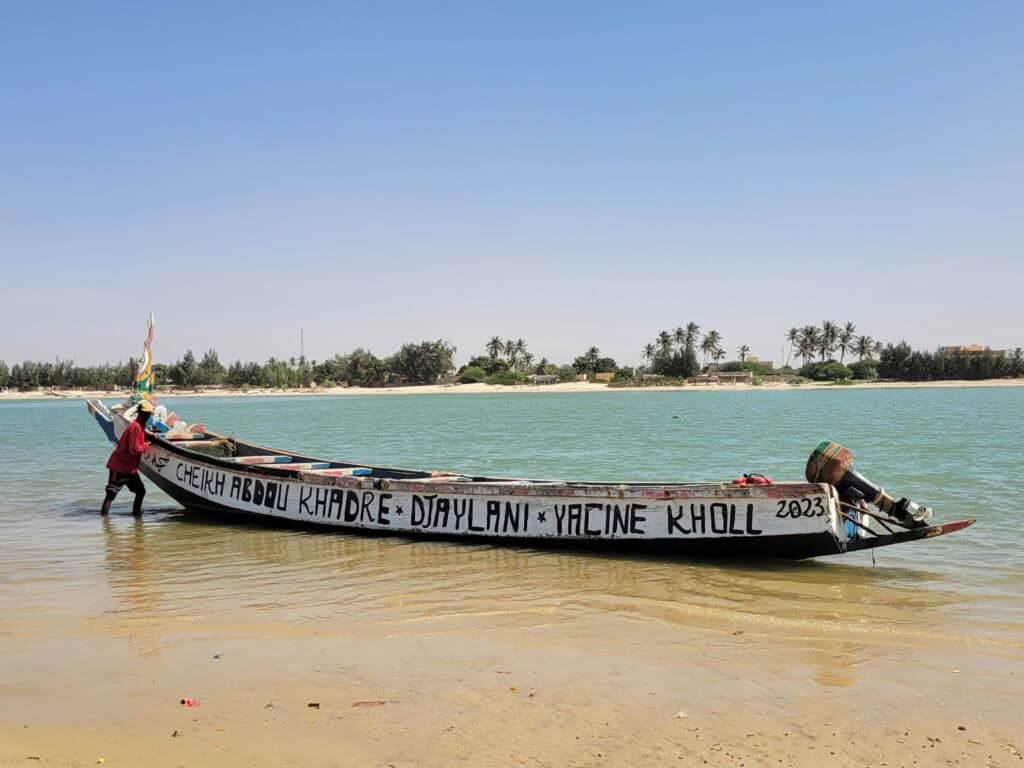
The oldest city on the West African coast, St Louis was established in 1659. Situated on an island, near the mouth of the Senegal River, it became a hub for European explorers heading upriver. Today, the city is littered with remnants of that time. Old, crumbling buildings and a lively jazz scene are among its main attractions. The streets buzz with a mix of traffic, goats, horse-drawn carriages, market stalls, coffee stands, souvenirs, and local arts. A couple of national parks lie within easy reach, there are plenty of good eating options, and with strong connections to the capital, Dakar, St. Louis makes a pleasant place to spend a few days – or more.
Getting to St Louis
St Louis is just a thirty-minute drive from the Mauritanian border. We entered this way, crossing at Diama, while on the Dakar Challenge. The most popular way to visit St Louis is from Dakar, by private car, taxi, or bus. It’s a four-to-five-hour drive, or around six hours by bus.
Where to stay in St Louis
St Louis has plenty of accommodation options to suit most budgets, but they book out quickly during the peak season, so plan ahead. If you have your own transport, there are some lovely places within a thirty-minute drive where you can stay near the national park or on the beach.
We found a great Airbnb apartment in Tassinere, surrounded by wildlife and the sounds of the ocean – a definite highlight of our trip. It also gave us the opportunity to meet and talk with locals about life in Senegal. Some accommodations even offer home-cooked meals, available at a negotiated price.
Where to eat and drink in St Louis
There’s a nice variety of eating options on the island, along with street vendors selling coffee, fruit, and peanuts. We enjoyed trying local dishes such as vegetable nems (spring rolls), and thieboudienne – the national dish made with fish, tomato, rice and vegetables.
The bridge leaving the island leads to bustling local areas, including a large fruit and vegetable market, which is ideal if you’re self-catering. There’s also an Auchan supermarket for basic staples, with a small organic bio range including wine and pasta.
- Get to Chez Dasso (small and authentic slow-cooked dishes, delicious vegan options)
- Don’t miss La Crepe Saint Louisienne (a lovely variety of sweet and savoury crepes)
- Check out Flamingo Restaurant (where everyone seems to start their evening, right on the river and perfect for sunset views)
Things to see and do in St Louis
Barbarie National Park A 30-minute drive from the island, this national park is home to abundant birdlife, as well as monkeys and ground squirrels. Hiring a local boat and guide is the best way to explore the park’s thin sandy peninsula and watch flocks of birds gather along the beach. The trip lasts around two hours, includes time to walk on the peninsula, and the cost of hiring a boat and guide can be split among several people — we loved it.
Wander the streets Admire the colonial buildings, stopping to chat with locals along the way. Head over the second bridge to the main beach for sweeping views of the Atlantic. We loved experiencing authentic local life – buying fruit at the street market, talking with locals about soccer, waving to children playing, and watching the traditional fishing boats. There are also plenty of lovely cafés and restaurants to enjoy as you wander.
Getting around St Louis
The old city is small enough to explore on foot, with most attractions located in the centre. Traffic on the island can be heavy, and parking is limited.
Dakar
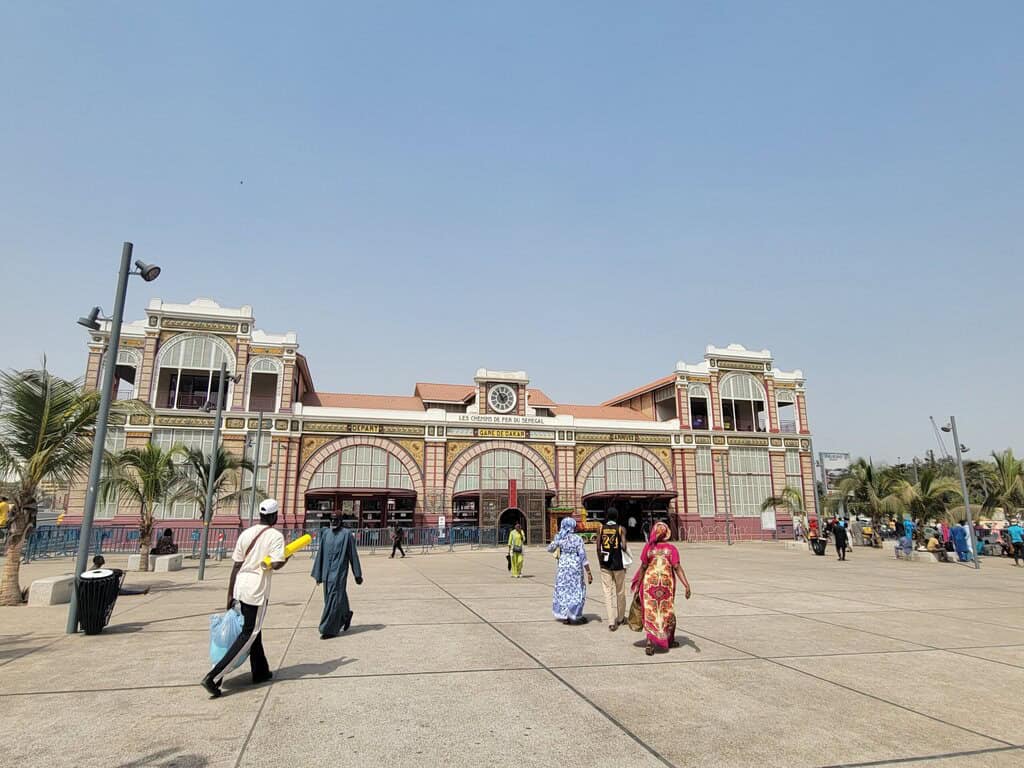
Dakar is alive. It’s a city in constant motion – noisy, vibrant, and unapologetically busy. It’s the kind of place that will spit you out if you don’t keep up. There’s always something happening. The streets are packed with people, vendors, cars, horse-drawn carriages, and opportunists looking to make a quick living. Shops spill onto the footpaths, blurring into one another, while construction and work continue almost non-stop.
Dakar is a city on the move. It can feel overwhelming at first, but there’s an energy and raw appeal that draws you in. A rich mix of cultures and religions is reflected in the people, fashion, food, and languages. It’s a large city with modern aspects and a lot of variety. Come with an open mind and enjoy the ride.
Getting to Dakar
Dakar is known as the ‘gateway to Africa’, so it makes sense that it’s easy to reach from Europe and other parts of Africa. The airport is big and new, having been completed only recently. Getting into the city takes around an hour, though traffic can be very busy, so it’s best to allow extra time.
The drive from St Louis to Dakar takes around four to five hours. You can also reach Banjul in The Gambia in about six hours.
Where to stay in Dakar
Dakar is loaded with hotels and guesthouses. They don’t tend to be cheap, but staying centrally puts you close to the action and the main sights. Some accommodations offer airport transfers for an additional fee, so it’s worth shopping around.
We stayed in Mbaye Fall, a suburb on the outskirts of the city. There is a modern train station with comfortable air-conditioned trains running every ten minutes. The city can be reached in around thirty minutes. Staying in an area serviced by the train not only saves money, but also offers a more authentic experience of local life – we can highly recommend it.
Where to eat and drink in Dakar
Dakar has a fantastic variety of cafes, restaurants, and street food spread out across the city. We came across some lovely community shops selling local produce and artisan products, and there are plenty of great bakeries – a freshly baked French baguette is a daily staple. A popular roadside snack is a fresh baguette filled with lentils or egg.
Street vendors offer an amazing selection of fresh fruits, vegetables, coconuts, dates, and cashews, making it easy to self-cater. Supermarkets such as Auchan and Carrefour are also available for basic staples and wine, while pharmacies stock familiar brands at Western prices.
- Get to Restaurant Terrasse Farid (vegan-friendly Lebanese food, just a short walk from the train station, the popular evening buffet can get busy)
- Don’t miss the street food (head to the corner of rue K.Bourgi and rue Dr. Theze, a spot popular with locals)
- Check out Nature Attitude (health food shop with items you won’t find elsewhere in West Africa)
Things to see and do in Dakar
Ile de Goree Definitely worth a visit, though it’s both an interesting and somewhat sad trip as you learn about Senegal’s history of slavery. Catch the ferry from the port, and aim to arrive early — it’s a popular trip with both locals and visitors, and fills up quickly. The ride takes around twenty minutes. The House of Slaves should be your first stop.
Head up to the old gun at the top of the hill for the best views of the island. Along the way, you’ll find numerous stalls selling art and souvenirs. The island also has plenty of cafés and restaurants, and you can swim at the main beach.
Lake Rose About an hours’ drive from Dakar. Depending on when you visit, it may not even be pink, but it’s interesting to see the salt getting harvested. The area can be a little touristy, with restaurants, shops, camel and horse rides, boats, and even dirt bikes available to hire. Keep on driving around the island for a few more kilometres, and you’ll find some peace and quiet along with better photo opportunities.
- Check out Chez Yakhara Café (calm local vibes and authentic local-style cooking)
Getting around Dakar
Dakar now has a modern train, making it much easier to access the city. Once downtown, walking is your best bet, as traffic is frequently at a standstill. If you prefer not to walk, there’s no shortage of taxis to give your feet a break.
Senegal is a country of options — a country of colours and vibrant people.

Fimela
Fimela is one of the larger villages in the Sine-Saloum Delta area. It’s a good spot to base yourself for exploring the area. There are many small villages scattered throughout the Delta, but Fimela is centrally located and has the best resources. The main street runs down toward the river and is lined with small local shops and restaurants, with donkeys pulling carts and a handful of street vendors adding to the daily rhythm of life.
Getting to Fimela
Fimela is around a three to four hour drive from Dakar, depending on traffic and where you’re staying in the city. There isn’t a lot of public transport options to reach the area, so visiting with your own car or as part of an organised tour is the easiest option.
The region is closer to The Gambian border than Dakar, which can be reached by road in around three hours. We drove into The Gambia from this area while taking part in the Dakar Challenge.
Where to stay in Fimela
Lodges and resorts are scattered all over the surrounding area, and many offer similar package-style stays. Choose one that best suits your travel style and budget.
We stayed in a local Airbnb in Fimela, which allowed us to experience a little local life, get around on foot, and support a local family. There are a few local stays available, but it’s worth double-checking the exact location before booking, as some are set well outside the village.
Where to eat and drink in Fimela
Most resorts and lodges will have an onsite restaurant and offer full or half board. Many of these restaurants are also open to the public, so even if you’re not staying overnight, you can enjoy a meal. Our Airbnb also offered the option of the host preparing meals for an additional fee. This worked well, as supplies in town are limited, with just a few basic restaurants and bars. Street stalls sell fresh fruit, and there’s a really small Auchan supermarket stocking only basic staples. The local mini market sells fresh baguettes daily.
- Check out Paradise VIP Lounge (enjoy afternoon drinks in the outdoor area)
- Splash out at Maison Fimela (a boutique restaurant with beautiful food and excellent views)
- Get to La Maroise (local-style meals served by friendly staff)
Things to see and do in Fimela
Sine-Saloum Delta The number one attraction and main reason to visit the area. Canoe tours are a popular way to experience the sunset. It’s also a lovely area to explore on your own – you can walk along the mudflats, enjoy the birdlife, and soak up the peaceful surroundings.
Stroll up the main street Meet locals selling souvenirs, arts, clothes, and bags. Pick up some fresh fruit, haggle for anything that catches your eye, and stop for a drink at a local bar.
Getting around Fimela
It’s a small village, so walking is the easiest way to get around. The side streets are very sandy, so take care if you’re driving to avoid getting stuck.
Ziguinchor
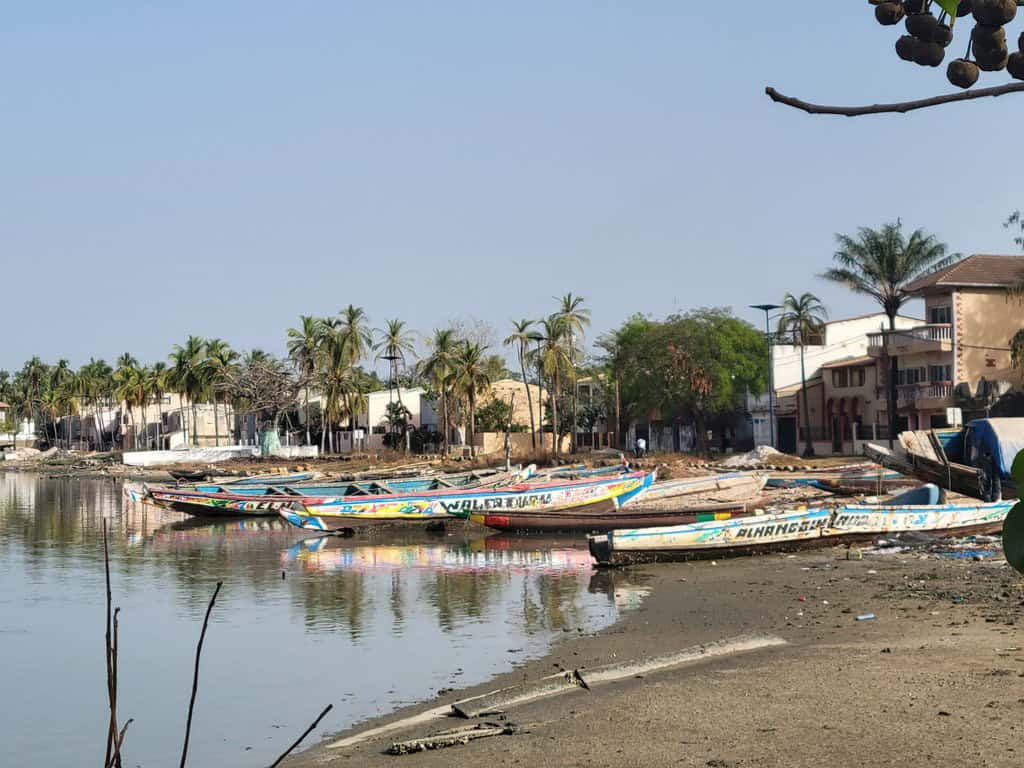
The largest city in southern Senegal, just below The Gambia, Ziguinchor has a peaceful, relaxed vibe that sets it apart from other cities in the country. Life here moves at a slower pace, the people are calm, and it feels more like a large country town. Situated on the banks of the Casamance River, Ziguinchor is the gateway for trips to Cap Skirring, inland to the east, or south into Guinea-Bissau. It’s a lovely place to wander, admire the old houses, and stroll along tree-lined streets before continuing your journey.
Getting to Ziguinchor
Easy access from The Gambia. Vans depart from the Brikama garage in The Gambia, heading to the border crossing at Selety. The trip takes around an hour. Once clearing border formalities, a van from Selety to Ziguinchor takes about two and a half hours. The bus station is just after the bridge entering the city. From here you can walk or take a taxi to your hotel.
Where to stay in Ziguinchor
There isn’t a huge variety of places to stay, so your best bet is along the river. We stayed at Hotel Kadiandoumagne, a popular stop for groups and tours. It offers plenty of space in a lovely garden setting, with a bar and restaurant. Breakfast is buffet-style and includes delicious fresh fruits.
Where to eat and drink in Ziguinchor
Ziguinchor’s food scene is closely tied to its vibrant local markets and street life. Wandering through the markets and streets is a great way to experience everyday life, see what’s on offer, and sample local snacks along the way.
There are quite a few restaurants here, but our experience was that many menu items, especially vegetables, were not available. Opening hours can vary too. Plenty of street vendors sell fruits, cashews, peanuts, and pankets – perfect for lovely snacks. For basic staples, including an organic bio range and wine, there’s an Auchan supermarket.
- Don’t miss Hotel Kadiandoumagne (best selection around town and a lovely riverside setting)
- Check out St Maur Market (a great place to wander and try street-food bites)
- Get to Marche Tilene (a traditional market with lots of fresh produce and local goods; it gets really busy, especially in the mornings)
Things to see and do in Ziguinchor
River Trips The main activity here. You’ll likely see plenty of birds and even dolphins. Depending on the time of year, you can also visit the manatee‑viewing platform at Point St George.
Wander down to the local market Walking to the local market is an enjoyable way to experience local life. Along the way, you’ll see what vendors are selling and get a feel for the relaxed, slow pace of life here.
Sit by the river Enjoy a meal or read a book by the water. Sitting by the river with a bottle of wine at sunset is especially enjoyable.
Getting your Visa for Guinea-Bissau You can obtain it here quickly and easily, with the whole process taking around ten minutes. The embassy is easy to find—just follow Google Maps and look for the Guinea-Bissau flag.
Getting around Ziguinchor
Most of the city can easily be explored on foot. Taxis are plentiful and can take you anywhere further afield. The bus station serves as the main hub for travel to The Gambia, Guinea-Bissau, or inland to the east.
Getting to Senegal
Accessing Senegal is generally straightforward. There are flights from Europe, the Middle East, and other African countries, and entering by land from Guinea-Bissau, The Gambia, or Mauritania is also relatively easy.
If you’re coming overland, have a look at our travel guides for Guinea-Bissau, The Gambia, and Mauritania to plan your adventure
Useful things to know before visiting Senegal
It’s loud and busy.
It can be hot and dusty. Stay hydrated and enjoy a cold shower at the end of your day.
Dakar can have quite a bit of air pollution, and the after-effects of desert sandstorms can linger.
Make sure your documents are in order, and get a visa if you need one. Military and police checkpoints are common.
Learn some French – English is limited outside the main cities.
Vegan meals can be difficult to find, especially out of the cities. Vegetarian options are easier, with pizza and spaghetti often available. Baguettes are a reliable staple, and street vendors are great for quick snacks.
Stall vendors and hustlers (offering to help you) can be very persistent. Our experience was that they appreciate your acknowledgment, say hi, be polite, let them know you don’t need their service at the moment, but that you will come back if you do. When you do need help, use hustlers in exchange for a small fee.
In general, don’t be in a hurry. Take time to stop and talk to people, and show respect – they’ll respect you back.
You’ll likely be approached by children asking for money, and at some point, someone will probably ask for a cadeau (a gift) or a coffee.
Haggle for fair prices, clarify costs, and check bills carefully – prices can double or change quickly.
Public toilets are rare. Most cafes and restaurants have them (though not always), and modern buildings like Dakar train station have facilities. Some bus stations, such as in Ziguinchor, charge a small fee. Ask locals but be prepared to be flexible.
The money changers on the street always offer a better exchange rate than the banks.
Euros, US dollars, and pounds can be exchanged in Dakar, but options are limited outside the capital.
Ecobank ATMS have no local fees.
Final thoughts on travelling in Senegal
Senegal is what you want it to be. It really does offer something for everyone. If dancing all night in city bars is your desire, Dakar will deliver. If history and culture excite you, Senegal won’t disappoint. If birds and natural places bring you joy, the country has plenty. And if you want to get off the beaten path and discover hidden gems, that can also be achieved in this grand country. Senegal is a country of options — a country of colours and vibrant people. It has a contrasting mix of cool vibes and raw energy, and immersing yourself with locals allows you to experience their strength and resourcefulness. It’s not always easy travelling here, and at times it can be a challenge – but that’s exactly what travelling is all about.