
Would you like to know if it’s possible to travel to Guinea-Bissau, how to reach the Bijagos Islands, and what makes this little-known country so special? This Guinea-Bissau travel guide (updated 2026) covers everything you need to know, from how to get there to what makes this destination worth visiting. Our adventure took us through Varela, Bissau, and the Bijagos Islands, offering a deeper look at what travel in Guinea-Bissau is really like. We share our insights on where to stay, where to eat and drink, and things to see and do. Our travel style is independent and immersive, with a focus on practical tips and useful things to know before visiting this obscure destination.
Some links may be affiliate, meaning we earn a small commission at no extra cost to you – this helps us keep sharing honest travel inspiration.
Why go to Guinea-Bissau?
Guinea-Bissau, ‘the slave coast’. This was no doubt once the case, and these sombre times will never be forgotten. Today, however, ‘the cashew coast’ feels more fitting. Introduced by the Portuguese in the 19th century, cashews are the country’s number one export, and you’ll see them sold along streets everywhere. Guinea-Bissau may be one of Africa’s poorer countries financially, but the people here possess a priceless happiness. Getting around can be a challenge, yet the rewards at the end of the bumpy, dusty roads are unspoiled beaches and warm, welcoming locals.
Quick facts for travelling in Guinea-Bissau
- Capital: Bissau
- Best time to visit: October to April (wet season is May to September)
- Budget (mid-range couple): AU$100 per day
- Currency: West African CFA franc (XOF)
- Language: Portuguese
- Visa requirements: Yes (most travellers need a visa for entry)
- Travel difficulty: 2 (1=basic & 5=challenging)
If you enjoy off-the-beaten-path destinations with few tourists, you may also like our Madagascar travel guide
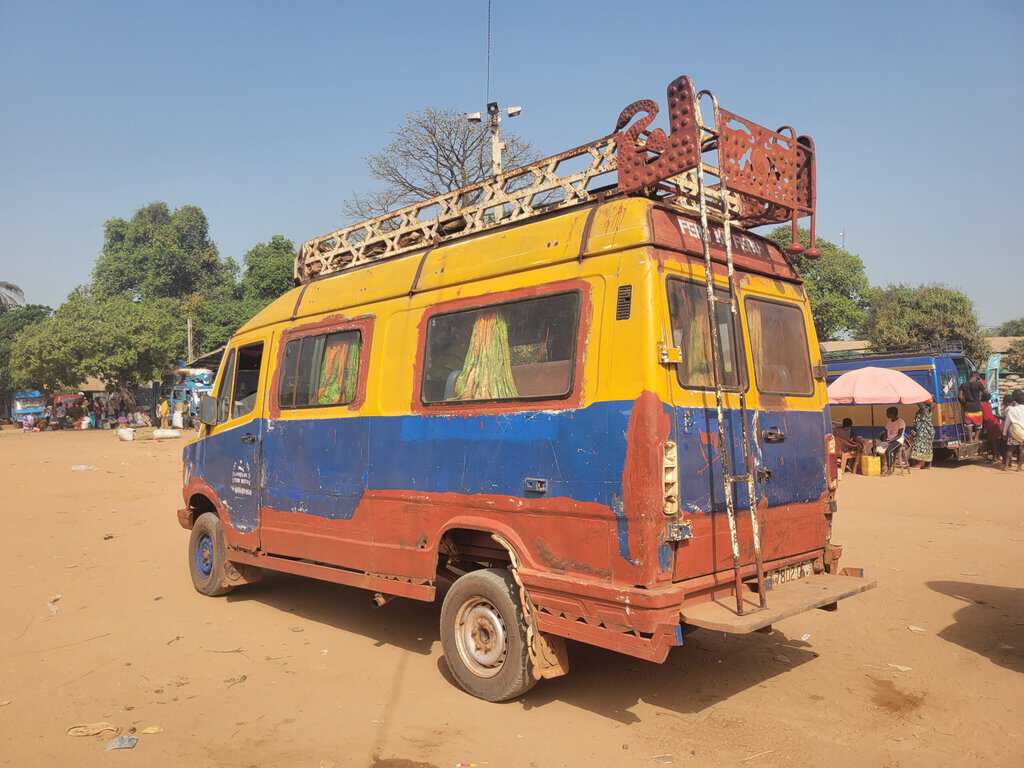
Varela
Varela is a remote fishing village in the northwest of Guinea-Bissau, just a short distance from the Senegalese border. Life here is peaceful. You won’t find any resorts or shops. Fisherman still carve their boats out of old trees, woman tend gardens, and children play. Locals gather on the beach each morning when the fisherman return, checking what’s on offer. Houses are traditional. People grow what they need. You eat what is in season. Goats and chickens wander the sandy streets. Water comes from wells. Beaches and forests fill the horizon. The charm of Varela lies in its simplicity.
Getting to Varela
Varela is less than fifty kilometres from Sao Domingos, but the road, or lack of one, means the journey takes around two to three hours. It’s hot and dusty, and vans are often packed with people, sometimes even a few chickens, which only adds to the experience. Vans leave the bus station in Sao Domingos once full, usually starting around midday. At the station, you’ll find people selling various snacks and even a simple toilet.
Motorbike taxis are another option, available at any time. The ride is fun and gives you a chance to take in the scenery and small villages along the way. Motorbike taxis can also take you to the Senegalese border, a short ten-minute ride through cashew plantations.
Where to stay in Varela
Casa Aberta KasumayaKu is the best place to stay. Breakfast is included, and there’s a restaurant that makes delicious local meals. Rooms are in traditional round huts with an ensuite and a fan. The staff are caring and genuinely helpful. Valentina, the owner, speaks English. The lodge operates as a community-focused project, with all staff from the local area and funds supporting local schools and community projects.
Where to eat and drink in Varela
Casa Aberta KasumayaKu is the best option. Fresh fish is their specialty, and they also make beautiful vegetarian dishes. A highlight is their weekly wood-fired pizza night, with fresh BBQ oysters! It’s best to let them know early in the day if you are planning to come, especially if you have any dietary needs. The staff are very friendly, though English isn’t spoken.
Things to see and do in Varela
Exploring the endless beaches This is definitely worth doing every day. You can walk for hours without seeing another person – just birds overhead and cows lounging on the sand. It’s pretty special.
Immerse yourself Learn about local village life by walking down the sandy tracks and roads to the various clusters of huts and gardens. Keep an eye out for old ruins slowly being swallowed by the jungle.
Getting around Varela
Unless you have your own transport, you walk.
It’s a destination to appreciate life – that of the locals, and your own.
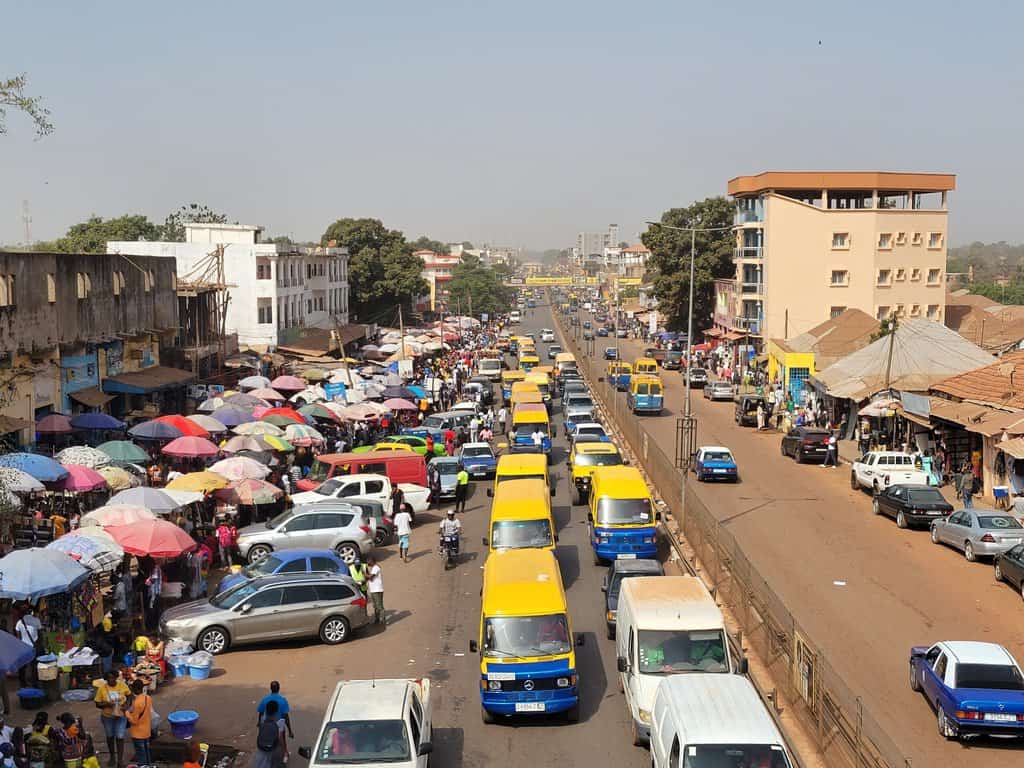
Bissau
Modern conveniences and unmissable attractions Bissau does not have. However, undeniably, Bissau has a charm that is difficult to find elsewhere. The old town is pleasant, with old crumbling buildings creating a nostalgic atmosphere. Stalls line the pavement, offering anything from fresh fruit to carvings and clothes. People smile and wave, they ask what you think of their country. Markets, restaurants and bars can be found down dusty lanes. Women sell fresh oysters and gambos, men sit and chat. Life is slow, stress-free and calm. Spend a bit of time here and Bissau will no doubt grow on you, draw you into its ambience, and make it hard to leave.
Getting to Bissau
The easiest way to reach Bissau is by plane, with flights from Portugal, Morocco and a few neighbouring countries. Flights can be on the dearer side, so it’s best to book in advance. A taxi from the airport into the city takes around twenty minutes. The airport is very basic, with a single gate, a café, toilets, and no currency exchange.
Arriving by land from Senegal by land is a much cheaper option. Buses leave Sao Domingos near the border every couple of hours, the ride taking around two to three hours. It’s a bumpy ride, the road is in poor condition, but there’s plenty to see out the window – if you can see through the dust! You will be dropped off at Bissau Bus Station, which is a fair way out of town, then grab a taxi into the city centre.
Where to stay in Bissau
There are a number of high-end hotels around the city, mainly catering to NGOs and other officials. Mid-range and budget places can be a little harder to find. There are some good Airbnb options around, which also give you the added bonus of supporting a local family. We found a great one in the Dallas area, near Bandim Market. Bissau is a small city, and most places to stay are within walking distance of the old town.
Where to eat and drink in Bissau
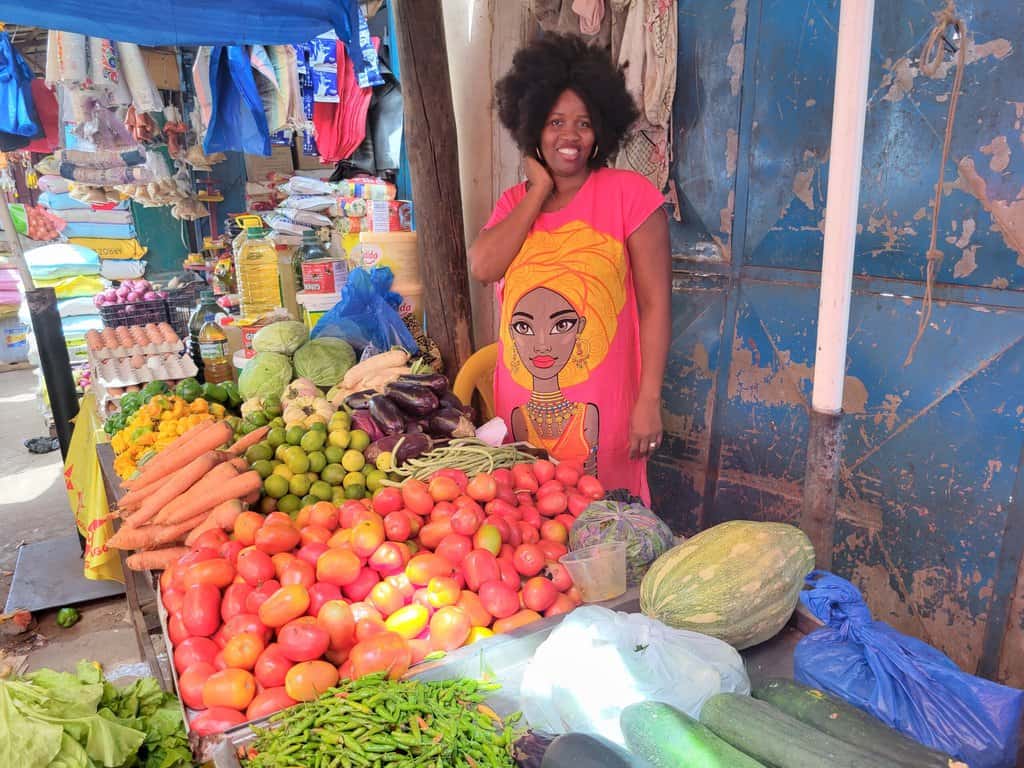
There is a great variety of restaurants, cafes, and street fare to suit every budget and preference. Not surprisingly, fresh fruit and vegetables are plentiful, found in local markets or at random stalls along the pavements. Street food is popular, cheap, and easy to find. We enjoyed self-catering with all the fresh produce and loved the vegan street snacks, such as cooked cassava, rice cakes and yucca fries.
- Get to Handi Indian (great vegetarian menu with friendly service, near the central market, good value)
- Don’t miss Bandim Market (Bissau’s largest market, overflowing with fresh produce and street food. Chat with the friendly women selling their goods)
- Check out Ga Mela (popular restaurant and bar in the old town. Generous portions, though you might wait a bit. No English menu or staff)
Things to see and do in Bissau
The Old Fort It’s not an official attraction, but definitely worth a visit. Head to the main entrance and politely ask the guards if a tour is possible. If you’re lucky, they’ll call one of the Captains, who will meet you at the gate and show you around. The fort is still home to the Guinea-Bissau military. Inside, there’s a museum and even a cemetery. Limited English is spoken. At the end, you’ll be asked for a small donation. The tour took about an hour.
The Old Town With its crumbling buildings slowly being restored, the old town is fascinating to explore. Along the waterfront, people and businesses still occupy the historic buildings. At night the streets liven up.
Bandim Markets Spread across four blocks, Bandim Markets are a chaotic maze where daily life unfolds, and navigating them can be a challenge. Here you’ll find everything from chickens to car parts. The best selection of fresh fruit and vegetables is available, along with homemade treats and snacks. If you’re unsure what something is, just ask—the ladies are friendly, and some speak English.
Getting around Bissau
You won’t have any issues finding public transport around town. Taxis, vans, and motorbikes are everywhere, waiting to whisk you off in any direction. Unless you’re heading out of town, walking anywhere around the old town is possible and enjoyable.
If you love hidden gems like Guinea-Bissau, check out our guide to Timor-Leste for a truly adventurous experience

Bijagos Islands – Bubaque and Rubane
Guinea-Bissau’s number one attraction, the Bijagos Islands are scattered a few hours offshore. Bubaque is the largest and most populated, and also the easiest to reach. It serves as a base for exploring the more remote islands. Bubaque has a number of hotels and guesthouses, some basic shops, and a few dining options. It’s a favourite weekend escape for locals on the mainland. Other islands, such as Rubane and Orango are home to all-inclusive resorts, traditional tribes and villages, and even rare saltwater hippos.
Getting to Bijagos Islands – Bubaque and Rubane
A ferry departs Bissau port once a week, on Fridays, taking around four hours. The ferry returns on Sundays. For travel on other days, fast boats leave most mornings, also from the port. The journey is much quicker, one to two hours depending on conditions. Once you are on Bubaque, transport to the other islands is by local canoe, with prices negotiated before departure. If you are staying in one of the resorts on nearby islands, they will pick you up from Bubaque, Bissau, or even the airport. They all have private fast boats, allowing guests to come when they please.
Where to stay in Bijagos Islands – Bubaque and Rubane
All guesthouses are within walking distance of the wharf. Quality and prices vary, so it’s worth shopping around. On Bubaque, we stayed at Saldo Mar, a popular choice. The simple accommodation includes breakfast, and there’s an on-site restaurant. The setting is lovely, with amazing views. On Rubane we stayed at Ponta Anchaca Lodge, which offers beautiful bungalows right on the beach, good food, and tours to other islands for around 100 euros.
Where to eat and drink in Bubaque and Rubane
Bubaque has a small local community. Local markets and stalls sell fruit and peanuts, and there’s a small shop with very basic supplies. Local bars and restaurants pop up around town in the afternoon and evenings. Most hotels and guesthouses have eating and drinking options. Rubane offers a bar and three course French-style meals on a terrace over-looking the ocean.
- Get to Saldo Mar (beautiful meals with the best view on Bubaque)
- Don’t miss Cafetaria Nanque (local place on Bubaque with delicious home cooked meals, look for her sign on a gate)
- Check out Ponta Anchaca on Rubane (enjoy a fancy three course meal, have a drink at the bar)
Things to see and do in Bubaque and Rubane
Relaxing and enjoying beautiful beaches is the definite attraction. The beaches are often secluded and deserted – perfect for a long walk, reading a book, or watching the sunset.
Walking around the islands and admiring the views and village life.
Hire a local guide and canoe to explore other islands. Sustainable tourism projects help support the local villages across the archipelago.
Getting around Bubaque and Rubane
There are no cars, people walk everywhere. For longer journeys, motorbikes will take you. Plenty of canoes to take you to the other islands. Fast boats will collect you from the jetty if you are staying at any of the nearby lodges.
For another off-the-radar island experience, see our guide to São Tomé and Príncipe
Getting to Guinea-Bissau
Portugal is the only European country with direct flights to Guinea-Bissau. Morocco, Cape Verde, and a few other African countries offer flights once or twice a week.
Overland access from Ziguinchor, Senegal, is straightforward – this is how we travelled. Entering from Guinea in the south is also possible, but involves a two-day bus and taxi ride.
Useful things to know before visiting Guinea-Bissau
Power outages are common. All the country’s electricity comes from an offshore power ship, so it’s wise to choose accommodation with a back-up generator or solar power.
Roads and infrastructure are very limited. Transport is slow and bumpy.
It’s a safe country. People are friendly and kind.
English is taught in high school, so you’ll be able to communicate with some locals.
Money changers hang around in the old town. They will approach you asking if you want change. You will get a better rate for $50 and $100 notes.
Spar Supermarket is the best in the country, and sells decent wine.
Final thoughts on traveling in Guinea-Bissau
Guinea-Bissau is not an easy country to reach, and travelling around the country can take hours or even days. Local transport is crowded, hot and dusty. Accommodation options outside of the capital are limited and basic. These things are true. But if you’re prepared to adapt, evolve, and try to fit in, things seem to become more normal. You accept situations, and waiting three hours for a van to fill up won’t be a problem. Shopping on the street for fruit and vegetables—or even lunch or dinner—turns into a little daily adventure. Talking to the locals, understanding their challenges, listening to their hopes and dreams becomes a highlight. They love their country, they are proud and happy people. They may not have a great deal of possessions, but they are content. You can learn a lot travelling here. It’s a rewarding country in a different way. It’s not a destination to tick off sights from your guidebook. It’s a destination to appreciate life – that of the locals, and your own. Guinea-Bissau is a beautiful country, filled with beautiful people. T.I.A. This is Africa.