
Curious about travelling in The Gambia and uncovering its remote villages and raw, natural beauty? This The Gambia travel guide (updated 2026) covers everything you need to know, from how to get there to what makes it worth visiting. Our adventure took us through The Gambia River National Park and Banjul, offering a deeper look at what travel here is really like. We share our insights on where to stay, where to eat and drink, and things to see and do. Our travel style is independent and immersive, with a focus on practical tips and useful things to know before visiting this obscure destination.
Some links may be affiliate, meaning we earn a small commission at no extra cost to you – this helps us keep sharing honest travel inspiration.
The Gambia, ‘the smiling coast of Africa’. This is more than appropriate. It may be Africa’s smallest mainland country, but it’s the largest in terms of friendly and smiling people. Completely surrounded by Senegal, it would be easy for The Gambia to lose its identity, but the people are proud, their traditions unique, and their history rich. Named after the river Gambia, which flows the entire length of the country, The Gambia is a welcoming and appealing country to visit no matter what your interests.
Why go to The Gambia?
Peanuts, beaches and birds are abundant. Banjul and the Atlantic coast are a popular destination for beach lovers from Europe, but venture up river, and you’ll discover National Parks that monkeys, chimps, hippos and over six hundred species of bird call home. The Gambia is Africa for beginners. With English as the official language and plenty of restaurants and bars, it’s easy to feel comfortable. The public transport system is good and provides access to most of the country. The Gambia is a destination that allows you to have the best of both worlds, head inland and explore, or sit back and relax on the coast. Whatever you decide, The Gambia won’t disappoint.
Quick facts for travelling in The Gambia
- Capital: Banjul
- Best time to visit: October to April (wet season is June to September)
- Budget (mid-range couple): AU$130 per day
- Currency: Gambian dalasi (GMD)
- Language: English
- Visa requirements: No visa required for most visitors
- Travel difficulty: 1 (1 = basic & 5 = challenging)
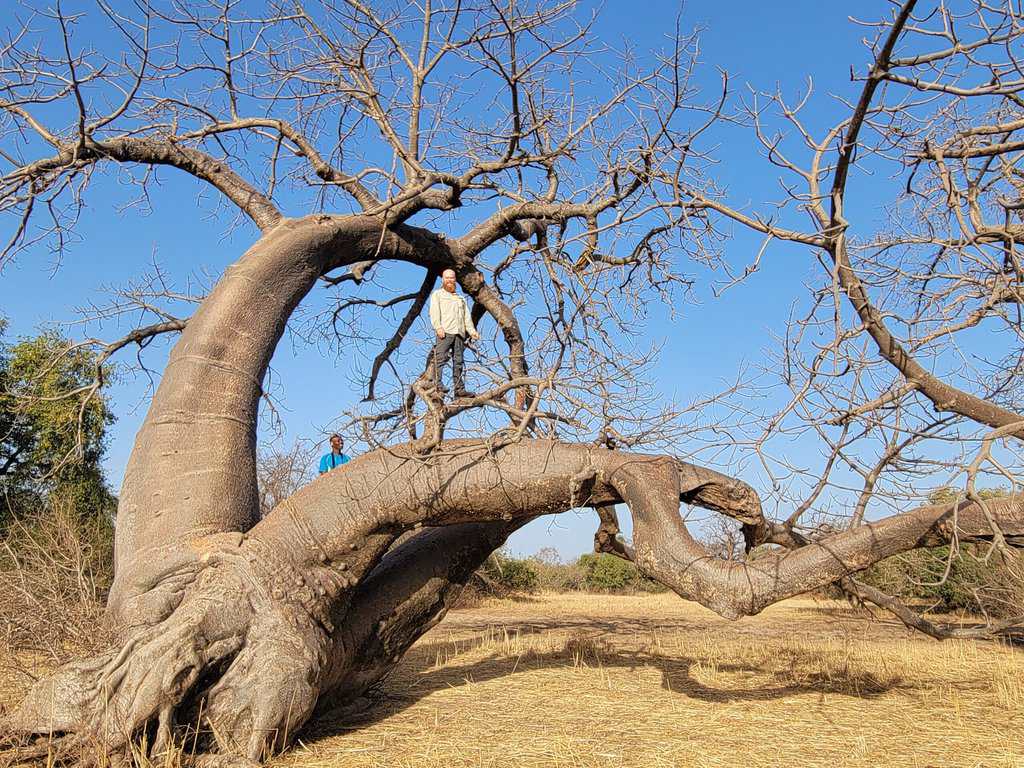
The Gambia River National Park
Baboon Island is the main focus point of the park. The island is home to The Gambia’s only chimpanzee population. You’ll also find red colobus and green velvet monkeys, hippos, crocodiles, and other species you won’t see anywhere else in the country. The birdlife is exceptional, making it a paradise for wildlife lovers. The park has international projects that are well worth supporting, such as the Chimpanzee Rehabilitation Project, and the Communities for Red Colobus Project.
Surrounding the park are local communities who welcome you with friendly smiles and waves. Donkeys and goats wander freely on the dusty red roads, woman wash clothes in the river, children swim and play, and men work at the local peanut factory. It really is a beautiful place to spend time.
Getting to The Gambia River National Park
Wassu is the closest town to the park, about a five-hour drive from Banjul. Once you reach Wassu, follow the signs to Kairoh, a small riverside village where the boats depart – the only way to access the National Park.
Tours can be arranged through local accommodation, or you can pre-book a package from Banjul. Omar is a local guide who can arrange most trips in The Gambia (omarjarju@gmail.com). Alternatively, you can head down to the river at Kairoh and arrange your own guide and boat. Smiley is another excellent local guide based in the area (kongirakebba18@gmail.com).
Where to stay in The Gambia River National Park
Accommodation options in the area are very limited. The most popular choice is Kairoh Guesthouse. It’s basic but comfortable, located right on the river. The staff are friendly, there’s a restaurant on-site, and a range of tour options are available. We enjoyed our stay here. Alasana, the manager, is very helpful and can be contacted via WhatsApp +2203232643.
Where to eat and drink in The Gambia River National Park
We really enjoyed the meals at Kairoh Guesthouse. The staff were very accommodating and happy to prepare local-style vegetarian dishes, including Domoda, a peanut stew served with onion, carrot, cabbage, eggplant, and rice. Take time to stroll around the nearby villages of Kairoh and Wassu, where you can find peanuts, pankets, and seasonal fruit for sale. We also loved bringing a bottle of wine to enjoy by the river under the shade of a tree.
- Get to Kairoh Guesthouse (enjoy local-style dishes right on the river. Breakfast is included with local honey and peanut butter)
- Don’t miss Wassu (look for the ladies selling fruit and pankets by the roadside, or try a baguette filled with lentils)
Things to see and do in The Gambia River National Park
Baboon Island Take a two-hour boat tour around Baboon Island to spot wildlife.
Wassu Stone Circles An archaeological site just five minutes from Wassu. Follow the sign down the bumpy road. Small but interesting, it’s often called the stone henge of Gambia.
Nature Walks Head across the river and explore the forest in search of wildlife. You can go on your own or pick up a guide at the Kairoh Guesthouse. Early morning or evening is best for wildlife spotting. Smiley is a great local guide if available. The Baobab Tree Forest Walk is particularly enjoyable – the trees are spectacular, and you might see meerkats, warthogs, and plenty of birds.
Getting around The Gambia River National Park
Once you’re up the river, a boat is the best way to get around. All other excursions are on foot. From the Kairoh Guesthouse, you can walk into Wassu or catch a lift on a donkey cart with one of the locals.
The Gambia is a warm and welcoming destination, and the people are what make it so special.
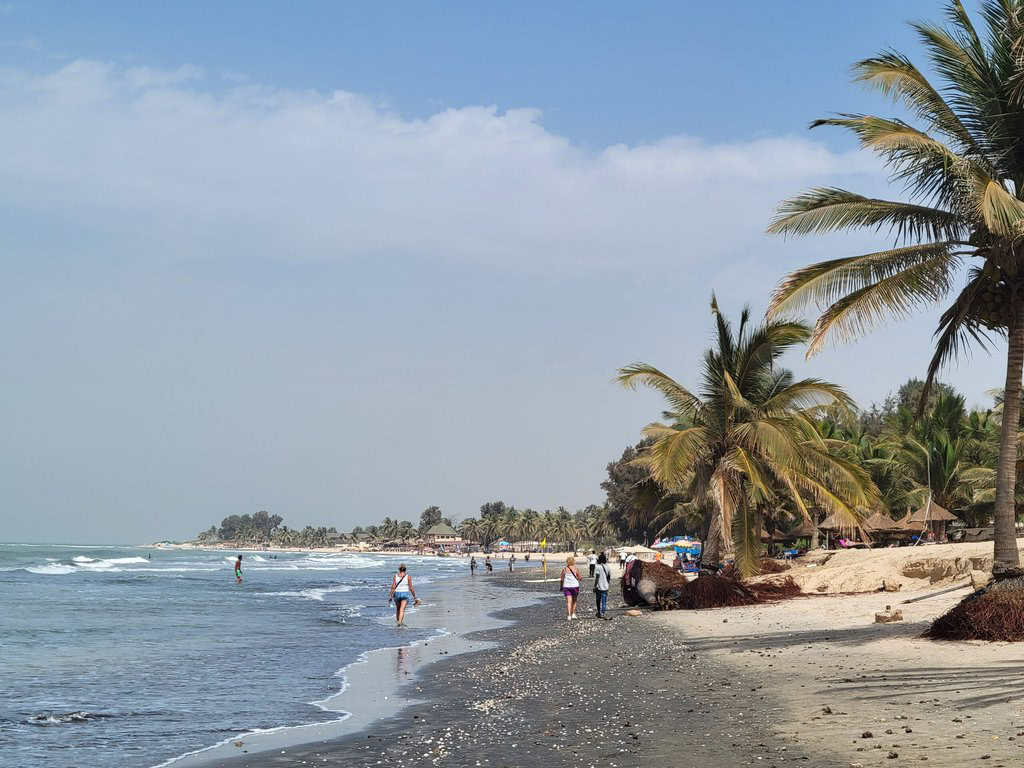
Banjul
Banjul is the capital and main hub of activity. Along the Atlantic coast is where you’ll find the foreign visitors, enjoying the sun and the all-inclusive resorts. But just a short distance away are nature parks, mangroves, and bustling local markets. You’ll very likely be stopped by locals curious about where you’re from and what you think of The Gambia. Be polite and ask them where they’re from in return. They’re not scary or dangerous – they’re friendly, welcoming, and appreciate your time for a chat.
Getting to Banjul
With direct flights to the UK and Europe, getting to Banjul is straightforward. The capital is also well connected by good roads into neighboring Senegal.
Where to stay in Banjul
The Atlantic coast is lined with resorts and hotels – the only problem you will have is deciding which one to choose. If you’d rather stay away from the tourist area, Serekunda is a great spot. We stayed in a lovely Airbnb apartment, owned by a local guy. It’s a perfect location if you still want to be close enough to the beach, yet immersed in a local neighbourhood. Serekunda has fruit and vegetable markets, supermarkets, and plenty of restaurants, making it convenient and authentic.
Where to eat and drink in Banjul
There’s a great variety of cafes, restaurants and bars to suit everyone’s style. Vegan and vegetarian options are fairly easy to find. Local fruit and vegetable markets are everywhere, with a wonderful variety, making self-catering easy. There are plenty of small supermarkets and pharmacies around too, with some familiar brands – though quality, variety, and prices can vary. Around the Serekunda area, there are some lovely local places to eat, and the atmosphere with the locals is welcoming and authentic. Senegambia Road leads to Senegambia Beach and is set up for tourists, but staying only in this area will limit your experience.
- Check out the restaurant at Bojang River Lodge (shaded outdoor seating, delicious vegetable curry, and a beautiful quiet beach to walk on)
- Get to Kaddijatou’s Restaurant (a local-style restaurant serving delicious authentic dishes)
- Don’t miss Solomons Bar/Restaurant (spilling out onto the beach, it’s a lively spot where everyone meets)
Things to see and do in Banjul
Abuko Nature Reserve A large reserve with plenty of walking tracks. You’ll spot monkeys, birds, and a wetland area with crocodiles. It’s about twenty minutes from Serekunda.
Bijilo Monkey Park A large park full of monkeys that you can approach closely and feed peanuts if you like. Alternatively, bring sliced bananas for the monkeys. Guides are available but not necessary. The park can get very busy and is just a short walk from the Senegambia area.
Serekunda Market The best place for fresh fruit, vegetables, and everything else imaginable. It’s where locals shop, so it gets very busy – allow time and be patient. It can get squishy, and there is plenty of hissing to get your attention. Take a taxi to the area and walk the last couple of blocks.
Getting around Banjul
Local taxis are the easiest way to reach places that are beyond walking distance.
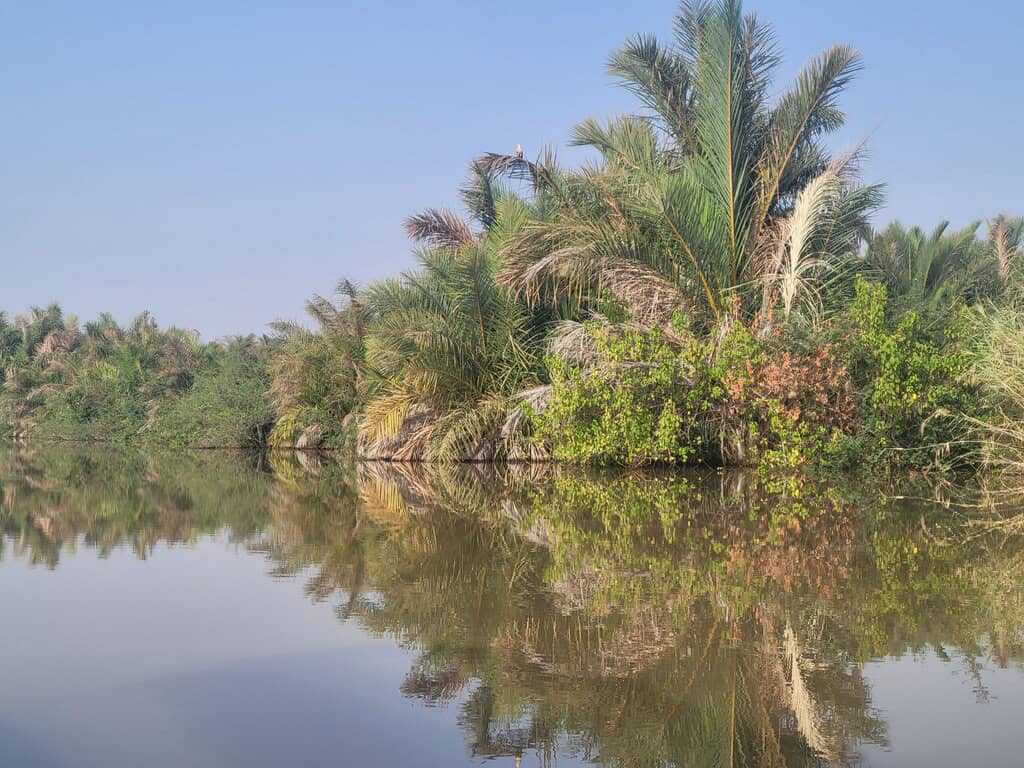
Getting to The Gambia
With direct flights from the UK, Europe, Turkey, and other African cities, reaching The Gambia poses no problems. The country is also well connected by road to neighboring Senegal.
Banjul is the finish line for the Dakar Challenge, an adventurous road trip that also takes you through Western Sahara, Mauritania and Senegal – destinations we’ve explored in more detail across our travel guides
Useful things to know before visiting The Gambia
If you’re venturing into Senegal, the Senegalese embassy is easy to reach and can issue a visa within 24 hours.
Euros, British pounds, and US dollars are the best currencies to bring. Cash is king here, forget about paying by card.
Peanuts are everywhere.
Bring plenty of sunscreen. Good-quality brands are hard to find and tend to be expensive.
People are very friendly. It’s a safe country. Our experience was that allowing time for some genuine friendly banter was always appreciated.
Hustlers can get a little persistent, especially in tourist areas. Be confident and respectful. Just let them know you don’t need their help at the moment.
There are no public toilets. Toilets are found in bars, cafes, restaurants, and some tourist attractions (such as the ones we have mentioned in things to see and do).
Final thoughts on travelling in The Gambia
The Gambia is a warm and welcoming destination, and the people are what make it so special. The Atlantic coast is great for a couple of days, but the real Gambia lies beyond the beaches and resorts. It can be found in the markets, along the streets, up the river, and inland. This is where you will meet genuine Gambian people, with their broad smiles, going about their day. Listen to their stories, have a conservation, and make some new friends. Travelling isn’t just about the sights – it’s also about understanding what shapes a country and what drives it, its people. The Gambia is its people.
Looking for inspiration? Discover why Africa should be your next adventure and start planning your trip