
Looking for a road trip adventure around the island paradise of Mauritius? Curious where to find wildlife and great hiking in nature? Want to experience authentic local life along the way? This Mauritius travel guide (updated 2026) covers everything you need to know, from how to get there to what makes it worth visiting. Our adventure took us through Mahebourg, Black River, Port Louis, and Grand Baie, offering a deeper look at what travel here is really like. We share our insights on where to stay, where to eat and drink, and things to see and do. Our travel style is independent and immersive, with a focus on practical tips and useful things to know before visiting this obscure destination.
Some links may be affiliate, meaning we earn a small commission at no extra cost to you – this helps us keep sharing honest travel inspiration.
Mauritius, ‘star of the Indian Ocean’. It’s hard to argue with this on an island of perfect white sand beaches, stunning turquoise waters, incredible waterfalls, and lush green rainforests. Home of the long-lost Dodo, Mauritius is now one of the world’s leading countries in bringing back species from the brink of extinction. The Mauritius Wildlife Foundation is making giant strides re-establishing the Echo Parakeet, Pink Pigeon. Kestrel, and Giant Tortoise. Known for its package tourism and all-inclusive resorts, the island offers rich rewards for travellers willing to explore the interior.
Why go to Mauritius?
Mauritius is an island paradise in the Southern Indian Ocean, off the coast of South Africa. Lovely weather, beaches with crystal clear waters, great infrastructure, and national parks full of hiking opportunities are what you can expect to find. With unique wildlife, tropical fruits, and friendly locals, it’s an attractive destination no matter what your interests. Regularly ranking as one of Africa’s safest countries, Mauritius is a safe and pleasant location for travellers of all ages.
Quick facts for travelling in Mauritius
- Capital: Port Louis
- Best time to visit: April to October (wet season is November to April)
- Budget (mid-range couple): AU$100 per day
- Currency: Mauritian Rupee (MUR)
- Language: French & English
- Visa requirements: No (visa-free or visa on arrival for most nationalities)
- Travel difficulty: 1 (1 = basic & 5 = challenging)
Mahebourg
Mahebourg is a pleasant place and an ideal city to get into the relaxed vibe of the island. We spent ten days here and loved it. It’s a great base for exploring nearby Vallee de Ferney and Ile aux Aigrettes, both only a short drive away. There’s a good local market selling seasonal fruit and vegetables, a couple of modern supermarkets, and even a new mall. Restaurants, beaches, and a few attractions, are also on offer. With few visitors around, it’s the perfect place to experience authentic Mauritian life.
Getting to Mahebourg
Sir Seewoosagur Ramgoolam International Airport is only a ten-minute drive from the outskirts of the city. Taxi or private cars are the only practical way to travel between the two. There is a local bus that runs from Mahebourg to Port Louis, but these tended to be irregular and unreliable during our time on the island.
Where to stay in Mahebourg
Mahebourg offers a good variety of guesthouses and Airbnb’s. We found a great one down on the waterfront, an ideal spot to reach most of the areas of interest. It’s quiet in the evenings, with welcoming locals. Nearby Blue Bay is also popular, with restaurants and beaches. Unlike other parts of the island, there are no big resorts or hotels in the city.
Where to eat and drink in Mahebourg
The local fresh fruit and vegetable market down by the waterfront most mornings is a self-caterer’s dream. King Savers supermarket has the largest selection of groceries in the city, with plenty of products you’d find at home, including alcohol. Seafood restaurants are easy to find.
- Get to Chez Francois (popular with locals, mostly seafood on the menu. The fish and chips are a generous serving)
- Don’t miss La Vielle Rouge (family run, across from the beach)
- Check out King Savers (a modern grocery store, with everything from fruit and vegetables, to a popular café)
Things to see and do in Mahebourg
Ile aux Aigrettes nature reserve is a small island a short distance off the coast. Run by the Mauritian Wildlife Foundation, daily two-hour tours depart from the small office on the main road to Blue Bay. Encounters with giant tortoises are unavoidable, while spotting the pink pigeon and other smaller birds depends on the weather.
Vallee de Ferney is another Mauritian Wildlife Foundation project. Two-hour tours explore the forest, which is home to three endangered species: the kestrel, echo parakeet, and pink pigeon. The forest also contains ebony trees, which were almost wiped out. We took the first tour of the day, as this includes the feeding of the kestrels. The jeep ride from the office to the valley is also fun.
The National Museum on Royal Road may be small; however, it contains some unique items, including a dodo skeleton. The building and grounds are impressive, and entry is free.
La Vanille Nature Park is a thirty-minute drive and a great place to see some of the island’s wildlife. Set on a river surrounded by trees, it has an amazing insect museum. The nearby village of Souillac has a nice beach, and Chez Rosy restaurant was a favourite lunch stop of ours.
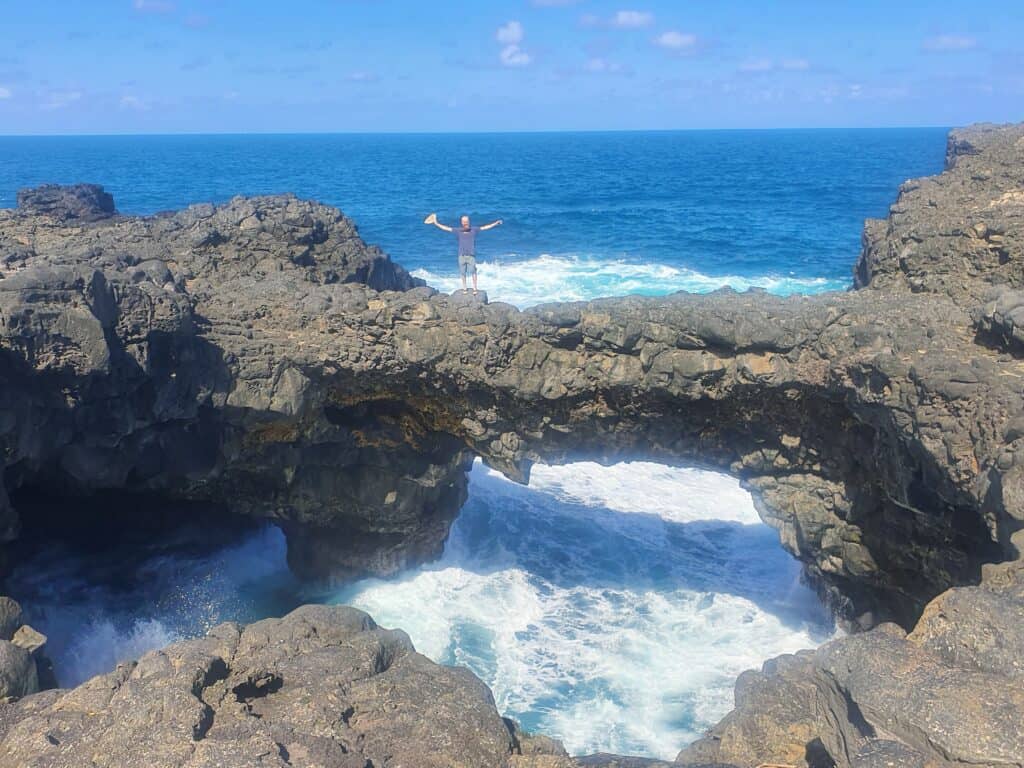
Pont Naturel is home to a natural rock bridge over the ocean. It is not easy to find, so bring a picnic. A thirty-minute car trip from Mahebourg will get you there.
Getting around Mahebourg
Walking around towns like Mahebourg is easy enough, but to explore the island properly you’ll need a car or taxi. We used Ravi Car Rental during our time in Mauritius- great guys. They deliver the car to your door, anywhere on the island.
If you enjoy exploring destinations by road, you may also like our Azerbaijan travel guide
Black River
The Black River area was our favourite on the island. It’s an ideal base for exploring all that the South West has to offer, including the stunning Black River Gorges National Park, Le Morne, Flic en Flac and Chamarel. Popular with locals and visitors, the area has restaurants, cafes, bars, and supermarkets. The sunsets are unreal.
Getting to Black River
Good roads connect Port Louis and the South Coast. We drove along the coast from Mahebourg. The road down from Chamarel is winding and slow. Mauritius isn’t a large island, so you can reach any town within a couple of hours.
Where to stay in Black River
Accommodation options are plentiful, with an expanding number of hotels and resorts in the area for every budget. Airbnbs provide another alternative. We stayed in a lovely one on Les Salines Pilot Road, a quiet, friendly local area with beach access and colourful birds.
Where to eat and drink in Black River
Weekends are lively, with music and entertainment offered by various bars and restaurants. Fresh local produce is sold in stalls along the main road most mornings. The local London Way supermarket has everything you would expect, while the Super U store in Tamarin is massive and offers the best range of products on the island.
- Get to Frenchie Cafe (a relaxed spot with a varied menu)
- Don’t miss Vanilla Village (good coffee, nice vegetarian options, plus a variety of local stores and cool live music on weekends)
- Check out The Bay Bar and guesthouse (the number one choice for a cocktail on the beach while watching the sunset)
Things to see and do in Black River
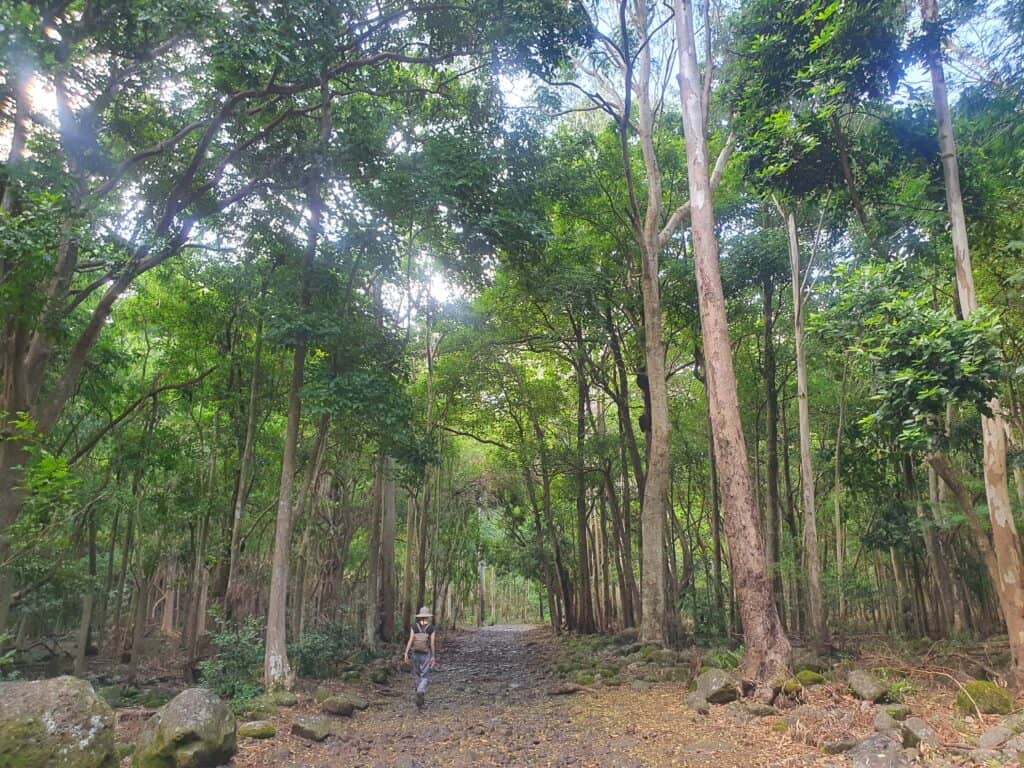
Black River Gorges National Park is a short drive from town. There are numerous hikes and short walks, ranging from thirty minutes to seven hours. A basic Visitor Information Centre near the carpark has some simple maps on display, but nothing to take with you – take if you don’t already have a map. Most trails are clearly marked and easy to follow. River crossings are common, and some trails may be temporarily closed depending on weather conditions. The park has plenty of picnic and swimming spots. Bring enough water. Really busy on weekends. Our favourite hike was the Machabee Trail – steep but rewarding, with incredible views.
Le Morne Peninsula offers a range of activities, from surfing to horse riding. Le Morne Brabant is the iconic mountain you see on all the postcards. The view from the top is spectacular. It’s a challenging climb that requires a guide; you’ll usually find them near the turnoff on the main road early each morning. Prices are negotiable.
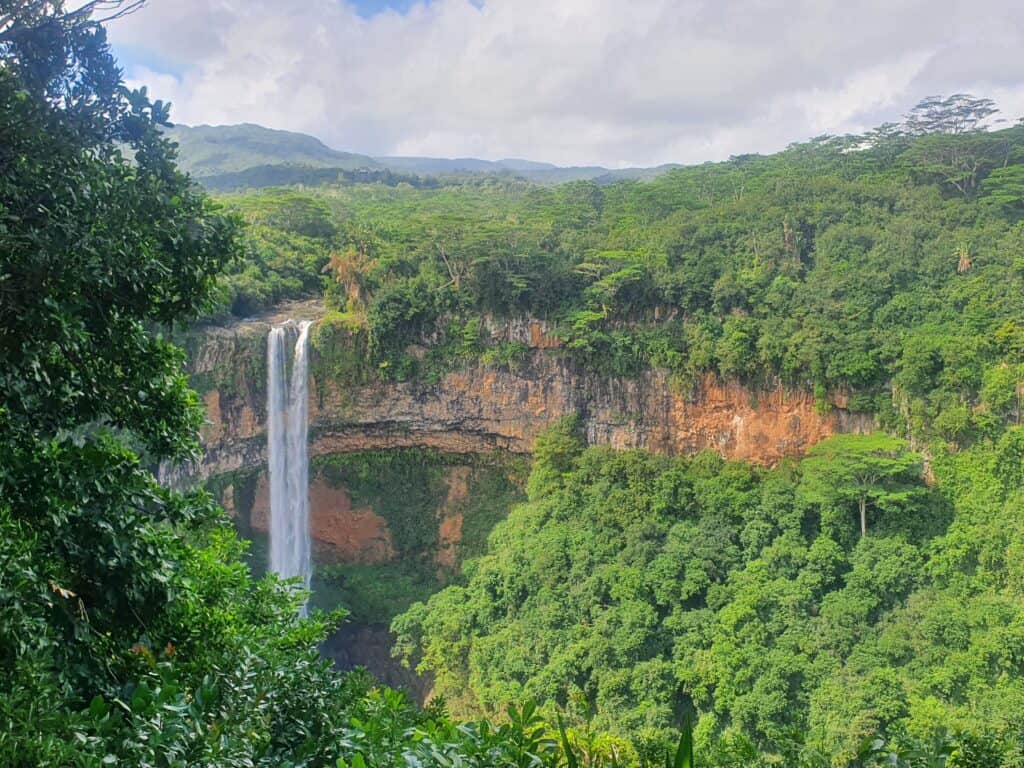
Chamarel was a worthwhile drive up the hill. Touristy attractions – including Rhumerie de Chamarel, Chamarel Waterfall and the Ebony Forest – can get packed, so head up early.
Flic en Flac is where you’ll find the South Coast’s best beach. A resort town, it becomes crowded with sun lovers during the peak months.
Getting around Black River
A car is required to reach the National Park and most other areas. If you don’t have your own, taxis are always available. There is a bus that runs to Port Louis and south towards Belle Marie. Plan ahead if you plan on catching it.
Spend a little time exploring and you may not find a Dodo, but you will discover many more hidden treasures.
Port Louis
The capital Port Louis is as busy as it gets in Mauritius. The downtown area is the perfect spot to immerse yourself in authentic local life. There are a handful of sites to visit, a modern waterfront area, and a variety of eating options. Most sites can be covered in a day visit from Grand Baie.
Getting to Port Louis
Port Louis has three busy main access roads: Grand Baie to the north, Black River to the south, and Mahebourg on the eastern side of the island, all reachable in under one hour. The city is the main public transport hub, with buses to major towns and a ferry terminal mainly for cruise ships. A new light rail connects the surrounding suburbs. City traffic is very congested, so avoid driving if possible.
Where to stay in Port Louis
There’s little reason for visitors to stay in the city, with only a couple of top-end hotels on the waterfront. Staying in a surrounding neighbourhood is a better option if you want to spend time in Port Louis. We stayed in an Airbnb in the Pointe aux Sables area, which offered a taste of local living and easy access to the new light rail.
Where to eat and drink in Port Louis
The city caters for the local workforce during the day and is quiet in the evenings. Look for where the locals are lining up around lunchtime – a good indication of food quality. The waterfront houses upscale eating and drinking options, while the local produce market provides the best source of fruit and vegetables.
- Get to Flying Dodo (a great little brewery on the waterfront)
- Don’t miss Central Market (great range of local produce and the perfect place for mingling with locals)
- Check out Namaste Indian (one of the best in the country, with plenty of meals to choose from and lots a flavour)
Things to see and do in Port Louis
The Natural History Museum and the surrounding Jardins de la Campagnie in the centre of town are interesting and informative.
Aapravis Ghat is a World Heritage site and a must visit. It provides a complete history of over 500,000 immigrants who came to work in the island’s plantations, hoping to create a better life for themselves and their families.
Fort Adelaide is perched on top of a hill overlooking the city. The 360-degree view makes the climb worthwhile.
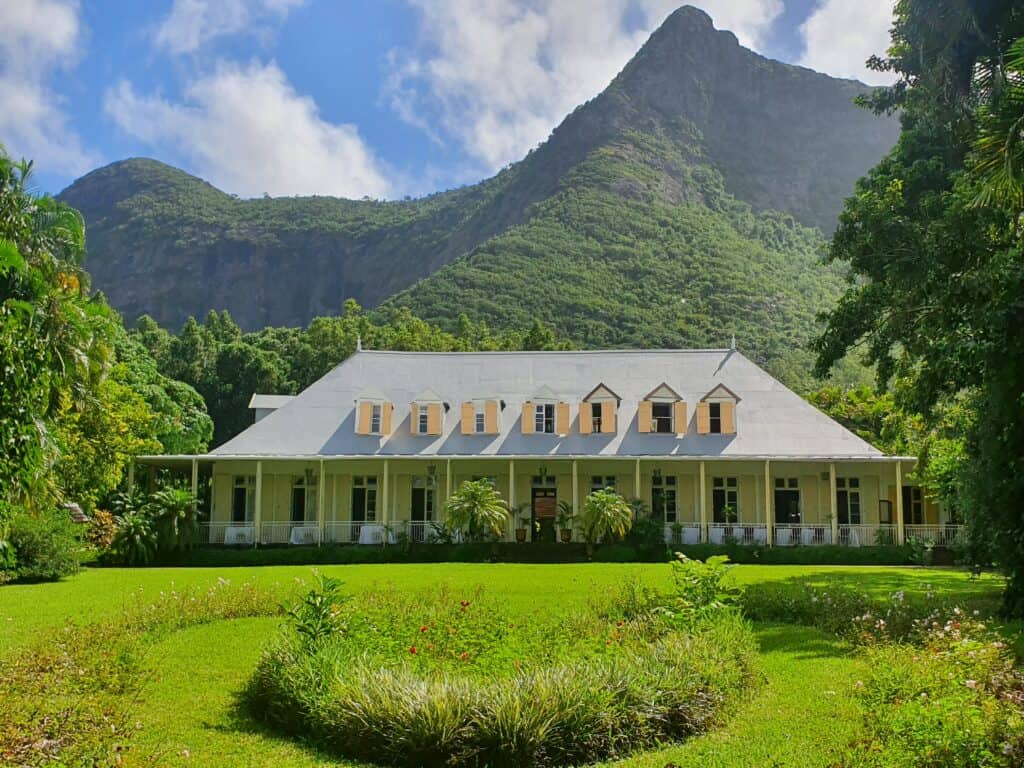
Eureka Estate provides visitors with a great example of an old sugar estate. Restored, it has lovely gardens, short walks to waterfalls, and a little café.
Getting around Port Louis
Attractions in the city are all reachable on foot from the light rail station at the waterfront. Entering the city via public transport is the best option, as driving in the city centre is a nightmare.

Grand Baie
The most popular area in Mauritius, with resorts and beaches galore. This is where package tourists spend their time, visiting the many shops, cafes, restaurants, and markets that line the streets. We found that Grand Baie offers more if you are prepared to venture out of the busy town centre. Botanical gardens, old estates and traditional markets are all in close proximity.
Getting to Grand Baie
Grand Baie has the best transport connections on the island. It is possible to travel from the airport directly to Grand Baie in around an hour. Port Louis is a short drive down the highway, and Black River can be reached in about an hour and a half. The area is easily reached from anywhere on the island by car.
Where to stay in Grand Baie
The area is full of resorts, guesthouses and Airbnbs. The downtown area is obviously very convenient, with things becoming much quieter away from the centre. We found a great Airbnb in Petit Raffary, full of gardens and birds, yet only a few minutes’ drive from town. The small village of Trou-aux-Biches is another place to consider staying; it can also get busy.
Where to eat and drink in Grand Baie
Grand Baie has the best variety of eating options on the island. Places get full quickly over the lunch and dinner, so make a plan. We found that eating a little earlier solved this problem. We often had the table with the best view, quick service, and even the staff had time for a chat. Some places even offer a discount for eating during off-peak times.
- Get to Beach House Bar (one of the best places to have a drink and enjoy the view)
- Don’t miss Island Bay Healthy Food (our favourite place, with smoothie bowls and fresh salads served in a small garden setting)
- Check out Blue Lagoon Cafe (our number one spot for people watching while enjoying one of their tasty dishes)
Things to see and do in Grand Baie
Pamplemousses Botanical Gardens are one of the best we’ve ever visited. The giant waterlilies are impressive. As the oldest gardens in the Southern Hemisphere, spending a couple of hours wandering around here is mesmerising. Sprawling over ninety acres, the gardens are perfect for a picnic lunch. Only twenty minutes from Grand Baie, the gardens can get crowded very quickly, so come early to have the best experience.
Goodlands Market was one of our favourite spots to immerse ourselves in local life. It is the largest market in Mauritius, with friendly locals and an amazing selection of fruit and vegetables. Negotiating the price is part of the fun.
Notre Dame Auxilliatrice is one of the most photographed buildings on the island, for good reason. It’s an easy bike ride from town, with some eating and drinking options along the way.
Bras D’eau National Park has a useful Information Centre, with a handful of easy-to-follow walks. We visited a few times and often had the place to ourselves. There’s plenty of shade, and we enjoyed the early morning birdlife.
Chateau Labourdonnais was once one of the islands biggest sugar plantations. Now a museum, it has gardens to explore and offers a decent rum tasting.
Getting around Grand Baie
A rental car is the most practical way to explore this area. Ravi Car Rental is a reliable local company. Grand Baie itself is easily covered on foot or by pushbike, which most accommodations provide for guests. Taxis are available at all hours, and tour companies also offer trips to the main attractions.
Getting to Mauritius
Mauritius has great flight connections with Europe, Asia, the Middle East, Africa, and even Perth, Australia. Sir Seewoosagur Ramgoolam International Airport is new and modern, with the usual duty-free shops and eating options. We flew in from Johannesburg, a four-hour flight.
Looking for some more island adventures? Check out our travel guides to Sri Lanka and Sao Tome and Principe
Useful things to know before visiting Mauritius
French is the official language, not everyone will speak English.
The public transport system isn’t great.
There are modern malls and department stores like you’d find at home.
Mauritius is one of Africa’s safest countries.
There is so much more than just resorts and beaches.
Tropical fruit and vegetables are delicious and plentiful.
We found a couple of vegan restaurants. Vegetarian is easy to find.
The currency exchange at the airport has very competitive rates.
Ayurveda is a popular form of medicine.
Final thoughts on travelling in Mauritius
Mauritius really is the star of the Indian Ocean. It’s easy to understand why it’s often seen as a package tourism and all-inclusive resort holiday destination. But don’t be fooled – Mauritius has so much more to discover. National Parks hiding exotic birds, secret waterfalls, and old estates with fine rum tasting opportunities, are all memorable experiences. Remarkable conservation projects re-establishing native fauna and flora are interesting and worthwhile excursions. With modern conveniences, world class beaches and endless sun, Mauritius has something for everyone. Spend a little time exploring and you may not find a Dodo, but you will discover many more hidden treasures.